Compensation for damp and mould in the UK typically ranges from £200 to £10,000+, depending on how serious the problem is, how long it lasted, and whether it caused health issues or damaged belongings.
In many cases, tenants may receive around 25% to 50% of their rent for the period they lived with damp, mould or poor housing conditions.
Key takeaways:
- Minor mould in one room may lead to around £200 to £500.
- Severe damp across several rooms may reach £2,000 to £6,000+.
- Serious cases with health impact can exceed £10,000.
- Tenants may also claim for damaged furniture, clothes and bedding.
- Medical evidence helps support personal injury claims.
How Much Compensation for Damp and Mould Can Tenants Claim in the UK?

There is no single fixed payout for every tenant. The amount depends on the condition of the property, how long the tenant lived with damp and mould, and whether the landlord had a reasonable chance to repair it.
Typical Compensation Range from £200 to £10,000+
| Type of claim | Typical compensation guide |
| Minor damp or mould in one room | £200 to £500 |
| Ongoing mould affecting daily comfort | £500 to £2,000 |
| Severe damp across several rooms | £2,000 to £6,000 |
| Serious disrepair with health impact | £6,000 to £10,000+ |
| Severe personal injury linked to mould | Potentially much higher |
These figures are broad estimates. A tenant with mild mould in a small area will usually receive far less than someone living with black mould across bedrooms, damaged walls, ruined furniture and worsened asthma.
How Rent Percentage Affects the Final Payout?
Many claims are assessed using rent as a guide. If part of the home was unpleasant, unsafe or difficult to use, compensation may be calculated as a percentage of rent paid during that period.
| Severity | Possible rent percentage | Example |
| Minor inconvenience | 10% to 25% | Small mould patch, limited effect |
| Moderate discomfort | 25% to 35% | Bedroom or living area affected |
| Serious disrepair | 35% to 50% | Several rooms affected |
| Extreme cases | 50%+ | Home partly unusable or unsafe |
For example, if a tenant paid £900 per month and lived with serious mould for 12 months, a 35% rent-based award could be around £3,780 before any extra claim for belongings or health issues.
What Factors Decide the Amount of Damp and Mould Compensation?
The final amount is usually based on evidence, not just the presence of mould. Tenants are more likely to receive a higher payout when the problem is well documented and the landlord failed to act after being told.
Severity of Damp, Mould and Disrepair
A small mould patch near a window is treated differently from black mould spreading across bedrooms, ceilings and wardrobes. The more the problem affects normal use of the home, the stronger the claim may be.
Length of Time the Tenant Lived with the Problem
Time matters. A tenant who lived with damp for two months will usually receive less than someone affected for two years. The claim normally starts from the point the landlord knew, or should reasonably have known, about the issue.
Health Impact and Damage to Belongings
A housing disrepair solicitor explained the issue clearly:
“I always tell tenants that the mould itself is only one part of the claim. I need to understand how long it lasted, which rooms were affected, what the landlord was told, and whether anyone’s health or belongings suffered as a result.”
This is why photographs, medical evidence and receipts for damaged items can make a real difference.
Can Tenants Claim 25% to 50% of Rent for Damp and Mould Discomfort?
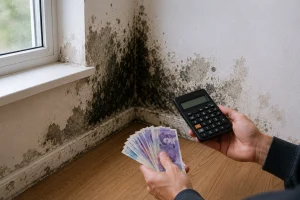
Yes, in many UK housing disrepair cases, tenants may claim a rent-based amount for discomfort, inconvenience and loss of enjoyment of the home. This does not always mean the tenant gets all rent back. Instead, the claim reflects the reduced value of living in a property affected by damp and mould.
| Example situation | Monthly rent | Period affected | Possible award |
| Minor mould in one room at 25% | £800 | 6 months | £1,200 |
| Moderate mould at 30% | £950 | 10 months | £2,850 |
| Severe mould at 40% | £1,100 | 12 months | £5,280 |
| Widespread mould at 50% | £1,200 | 18 months | £10,800 |
The exact figure depends on whether rooms were unusable, whether children or vulnerable people were affected, and how the landlord responded.
What Compensation Is Available for Personal Injury Caused by Mould?
Tenants may claim separately if mould caused or worsened health problems. This can include breathing difficulties, asthma symptoms, skin irritation, infections or stress linked to poor living conditions.
Respiratory Problems, Asthma and Mould Exposure
Mould spores can aggravate existing respiratory conditions. Children, older people and those with asthma or weakened immune systems may be more vulnerable. Medical records are important because they help connect the damp and mould problem to the health issue.
Mild, Moderate and Severe Health Claims
| Health impact | Possible claim value guide |
| Mild irritation or short-term symptoms | Lower-value claim |
| Ongoing coughing, wheezing or breathing issues | Moderate claim |
| Worsened asthma or recurring medical treatment | Higher-value claim |
| Chronic or severe asthma impact | £32,000 to £52,000+ in serious cases |
Figures for personal injury depend heavily on medical evidence. Some milder respiratory claims may fall in the region of £12,000 to £23,000, while serious chronic asthma cases can be much higher.
Important note
A tenant should not rely on compensation estimates alone. Personal injury values depend on diagnosis, duration, recovery, long-term impact and expert medical opinion.
Can Tenants Claim for Belongings Damaged by Damp and Mould?
Tenants can usually claim for belongings damaged by damp and mould if the landlord’s failure to repair caused the loss. Common examples include:
- Mattresses affected by mould
- Wardrobes, drawers and wooden furniture
- Clothing, shoes and bedding
- Carpets, curtains and soft furnishings
- Books, paperwork and children’s items
The tenant should keep photographs, receipts, replacement quotes and proof of damage. If there are no receipts, bank statements or realistic replacement prices may still help.
Who Is Responsible for Damp and Mould in a Rented Property?
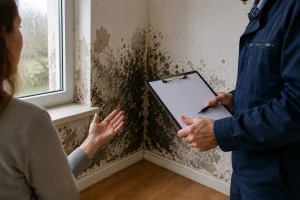
Landlords are generally responsible for repairs linked to the structure, exterior, plumbing, heating and problems caused by leaks, penetrating damp or rising damp. They must usually keep the property fit for human habitation.
Landlord Repair Obligations
A landlord may be responsible where damp and mould comes from leaking roofs, defective gutters, broken pipes, poor insulation, faulty heating, structural cracks or inadequate ventilation systems.
Tenant Responsibilities Around Ventilation and Reporting
Tenants should report damp and mould promptly and use the property in a reasonable way. This may include ventilating rooms where possible and avoiding actions that clearly increase condensation. However, landlords cannot simply blame tenants without investigating the cause.
A property surveyor described this balance clearly:
“I often see landlords call it condensation before checking the building properly. I look for leaks, cold bridging, ventilation defects and heating problems before deciding whether lifestyle is genuinely the main cause.”
What Evidence Is Needed for a Damp and Mould Compensation Claim?
Strong evidence can help show that the landlord knew about the problem and failed to act within a reasonable time.
Useful evidence includes:
- Dated photographs and videos of damp or mould
- Emails, texts or letters sent to the landlord
- Repair requests and complaint records
- Medical notes or GP letters
- Receipts for damaged belongings
- Environmental health reports
- Witness statements from visitors or neighbours
Tenants should keep a simple timeline showing when the issue started, when it was reported and what action was taken.
How Can Tenants Start a Housing Disrepair Claim for Damp and Mould?
The first step is usually to report the issue in writing. The tenant should describe the problem, include photographs and request repairs. If the landlord does not respond, the tenant may make a formal complaint, contact the council’s environmental health team or seek legal advice.
A claim may include:
- Rent-based compensation for inconvenience
- The cost of damaged belongings
- Personal injury damages
- An order requiring the landlord to complete repairs
- Legal costs, depending on the claim route
Tenants should avoid stopping rent without legal advice, as this can create arrears and put the tenancy at risk.
Can Council and Housing Association Tenants Claim Damp and Mould Compensation?
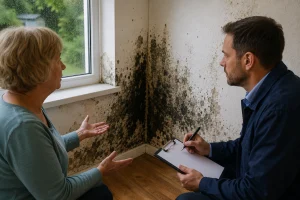
Yes. Council and housing association tenants can claim compensation if their landlord failed to deal with damp and mould after being notified. They can also use internal complaints procedures and may escalate unresolved complaints to the Housing Ombudsman.
Social landlords still have repair duties. If the property is affected by leaks, defective heating, structural damp or long-term mould, tenants should keep written records and request inspections.
How Long Does a Damp and Mould Compensation Claim Take?
The timescale depends on the evidence, landlord response and whether the case settles early. Some straightforward claims may resolve in a few months. More complex claims involving expert reports, medical evidence or disputed responsibility can take longer.
A claim may move faster when the tenant has clear photographs, complaint records, medical notes and proof that the landlord delayed repairs.
What Should Tenants Do If the Landlord Refuses to Fix Damp and Mould?
If a landlord refuses to act, the tenant should keep communication in writing and avoid relying only on phone calls. A formal complaint should clearly explain the problem, how long it has existed and how it is affecting the household.
The tenant may then consider contacting:
- The local council’s environmental health department
- A housing disrepair solicitor
- Citizens Advice
- Shelter
- The Housing Ombudsman, if the landlord is a social landlord
The stronger the paper trail, the easier it becomes to prove that the landlord had notice of the issue.
Is It Worth Making a Claim for Damp and Mould Compensation?
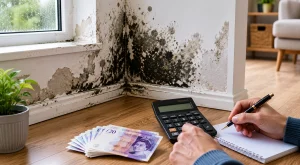
It may be worth claiming when damp and mould has affected comfort, health, belongings or the normal use of the home. Even lower-value claims can matter where a tenant has repeatedly reported repairs and the landlord has ignored the problem.
However, compensation should not be the only goal. The tenant may also need the landlord to repair leaks, improve ventilation, fix heating or deal with structural defects so the home is safe to live in.
Conclusion
A realistic answer is that damp and mould compensation can range from a few hundred pounds to £10,000+, with serious personal injury claims potentially exceeding that.
Many claims are calculated at around 25% to 50% of rent for the period affected, with extra sums for damaged belongings and proven health impacts.
The key points are evidence, severity, duration and landlord response. The clearer the proof, the stronger the claim.
FAQs About How Much Compensation for Damp and Mould?
Can a tenant claim compensation for black mould in one room?
Yes, a tenant may claim if black mould affected the room and the landlord failed to deal with the cause after being notified. A one-room claim may be lower than a whole-property claim, but it can still be valid.
How is damp and mould compensation calculated?
It is often calculated using a percentage of rent for the affected period. The percentage may increase where several rooms were affected, repairs were delayed or the tenant suffered health problems.
Can tenants claim if damp and mould made asthma worse?
Yes, but medical evidence is important. GP records, prescriptions, hospital notes or expert medical reports can help show whether mould exposure worsened asthma symptoms.
Does the tenant need medical evidence for a mould claim?
Medical evidence is usually needed for personal injury compensation. For general inconvenience or damaged belongings, photographs, complaints and repair records may be more important.
Can damaged furniture and clothes be included in a damp claim?
Yes, tenants may claim for damaged belongings if they can show the items were affected by damp or mould linked to the landlord’s failure to repair.
Can a tenant claim against a council landlord for mould?
Yes. Council tenants can claim compensation and may also use the council complaints process. If unresolved, the matter may be escalated to the Housing Ombudsman.
What happens if the landlord says condensation is the tenant’s fault?
The landlord should still investigate properly. Condensation can be linked to poor ventilation, inadequate heating, insulation issues or property defects, not just tenant behaviour.
Can a tenant stop paying rent because of damp and mould?
Tenants should be very careful about withholding rent. It can lead to arrears or possession action. Legal advice should be taken before making that decision.