For UK landlords, maintaining a healthy rental yield has become an increasingly complex balancing act. Between evolving regulatory requirements, fluctuating interest rates, and the rising cost of living, operating margins are under more pressure than ever.
While many property managers focus heavily on tenant vetting and rent collection to secure their income, an equally critical factor often gets overlooked: the compounding cost of reactive maintenance.
Emergency call-outs, mid-tenancy repairs, and winter heating failures can instantly wipe out months of profit. To build a truly resilient property portfolio, landlords must shift their focus from short-term fixes to long-term structural and hardware resilience.
By investing in durable, “fit-and-forget” infrastructure in high-traffic areas, property owners can dramatically lower their operational budgets, reduce tenant turnover, and bring predictability back to their annual balance sheets.
The True Cost of Cheap Fixtures In Rental Properties
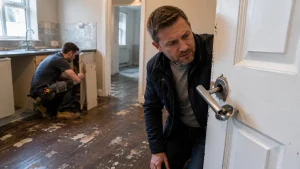
When renovating a buy-to-let property, the temptation to opt for the cheapest available fixtures and builder-grade materials is understandable. However, this approach represents a classic false economy.
According to data from the English Housing Survey, property maintenance and unexpected repairs consistently rank among the highest ongoing expenditures for private landlords across all property types. Choosing sub-standard materials simply fast-tracks the timeline to the next breakdown.
Consider the lifecycle of a high-turnover rental property over a five-year period. A cheap nylon carpet or a flimsy set of internal door handles may save a few hundred pounds during the initial refurbishment.
But when you factor in the cost of emergency handyman fees, the administrative friction of coordinating repairs with tenants, and the potential for extended void periods between tenancies due to a tired-looking interior, those initial savings can quickly evaporate.
Investing in commercial-grade or highly durable alternatives upfront eliminates the recurring labour costs associated with frequent replacements.
Investing in Hard-Wearing Flooring and Walls
Superficial damage to walls and floors is one of the most common flashpoints during tenant check-outs. Communal hallways, kitchens, and living rooms bear the brunt of daily foot traffic, moving furniture, and accidental spills. Mitigating this wear and tear requires a strategic approach to surface selection.
Instead of relying on standard matt emulsion paint, which scuffs easily and chalks when scrubbed, landlords should opt for modern, wipeable vinyl-silk or durable acrylic eggshell finishes. In high-impact zones like entryways, installing subtle timber wall panelling or durable dado rails can protect plasterwork from being gouged by bicycles or suitcases.
When it comes to flooring, standard low-cost laminate often warps at the first sign of moisture, while carpets trap odours and stains. Swapping these out for high-quality Luxury Vinyl Tile (LVT) is a highly effective alternative.
LVT offers exceptional moisture resistance, mimics premium wood or stone finishes to attract professional tenants, and features a modular design. If a single section is damaged, a landlord can simply replace that specific interlocking plank rather than paying to re-floor the entire room.
Upgrading Heating Infrastructure To Reduce Call-Outs
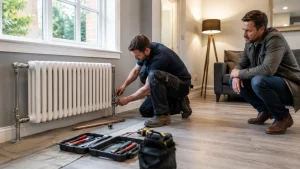
Boiler and heating system failures represent the ultimate winter nightmare for property managers, frequently topping the list of emergency call-out requests.
Flimsy, traditional single-panel radiators are highly susceptible to internal corrosion, bending under impact, and trapping air. This results in cold spots, poor system flow, and an increased workload for the boiler, which ultimately inflates the tenant’s energy bills and triggers frequent system breakdowns.
To counter this, a growing number of portfolio landlords are upgrading their properties’ thermal infrastructure. Upgrading to sturdy column radiators offers a robust, fit-and-forget solution. Due to their multi-column construction and heavy-duty steel profiles, these units provide vastly superior structural durability against accidental impacts.
From an operational perspective, their wider internal channels allow for a higher volume of water flow, which significantly reduces the risk of restrictive sludge build-up and minimises the frequency of system bleeding. This improved thermal efficiency means rooms heat up faster and retain heat longer, directly supporting lower utility bills and reducing wear on the boiler.
While premium fixtures once required trade-only accounts, consumer-facing specialists such as Column Radiators 4u have made trade-quality, high-durability heating solutions accessible directly to independent property homeowners looking to upgrade their infrastructure on a budget.
Preventative Plumbing To Avoid Catastrophes
While a scuffed wall is an inconvenience, a plumbing failure can be catastrophic. Water ingress from a leaking shower tray or a burst pipe can rot subfloors, ruin ceilings, damage tenant belongings, and result in thousands of pounds in insurance excesses and structural drying fees.
Protecting a property from water damage relies on cheap, low-lift preventative upgrades:
- Quarter-Turn Lever Isolation Valves: Ensure that every sink, toilet, and washing machine connection is fitted with an easily accessible, clearly labelled isolation valve so tenants can isolate a leak instantly before a plumber arrives.
- Braided Stainless Steel Hoses: Replace rigid plastic or soft copper plastic feed lines behind appliances with flexible braided stainless steel hoses, which resist splitting under pressure fluctuations.
- Premium Silicone and Seals: Never skimp on bathroom sealant. Upgrading to high-end, anti-fungal structural silicone around shower trays and baths prevents the subtle, slow-burning leaks that cause joist rot over time.
Calculating The Lifecycle ROI of Property Upgrades

To justify the higher upfront capital expenditure of durable materials, landlords should move away from assessing costs purely on an initial invoice basis and instead calculate the Lifecycle Return on Investment (ROI).
A simple framework involves determining the “payback period” of an upgraded component. For instance, if a standard radiator costs £50 but requires a £90 plumber call-out to bleed, flush, or repair every two years, its total cost over six years is £320.
Conversely, if a heavy-duty alternative costs £150 upfront but operates flawlessly for a decade without intervention, it becomes the significantly cheaper option. When you multiply this micro-saving across an entire property or a multi-unit portfolio, the financial preservation of your rental income becomes clear.
Protecting Your Rental Income In The Long-Term
Ultimately, maximising the profitability of a UK rental property requires a mental shift from reactive damage control to proactive asset protection. While the temptation will always exist to patch over structural issues with the cheapest available components, true operational efficiency is found in durability.
By systematically upgrading high-traffic flooring, reinforcing plumbing connections, and switching to high-flow, robust heating hardware, landlords can successfully insulate their rental income from the unpredictable shock of emergency repairs. In a challenging market, a property built to last is a landlord’s greatest financial asset.