Prince William’s proposed royal reforms could change how the Royal Family manages property, public duties, transparency and privileges when he becomes King.
The clearest answer is that future royal benefits may become more closely linked to official service, especially after scrutiny over Andrew Mountbatten-Windsor’s former Royal Lodge arrangements and wider questions about royal residences.
Key takeaways:
- Prince William may review royal property use across the family.
- Non-working royals could face fewer favourable housing arrangements.
- Sub-letting royal-linked homes may come under stricter control.
- Public transparency may become a bigger royal priority.
- A slimmed-down monarchy could become more formal under King William.
- Royal privilege may increasingly depend on public duty.
Why Are Prince William’s Proposed Royal Reforms Being Discussed Now?
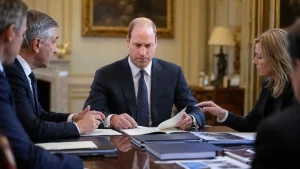
Prince William’s proposed royal reforms are being discussed because the public mood around royal privilege, public money and family accountability has changed. The monarchy is no longer judged only by ceremony, tradition and national symbolism. It is also judged by whether its arrangements appear fair, modern and suitable for public life.
The renewed discussion has been shaped by reports about Andrew Mountbatten-Windsor’s former living arrangements, including claims linked to Royal Lodge, favourable lease terms and income connected to cottages on the estate. These details have placed royal property management under a brighter spotlight.
For Prince William, the issue is not just about one family member or one property. It reflects a wider question about how the Royal Family should operate when public trust is harder to maintain. If he becomes King, his reign may be expected to show a sharper difference between working royals who carry out official duties and non-working relatives who live more private lives.
| Main issue | Why it matters | Possible future change |
| Royal housing | Public interest in who lives where and on what terms | Tighter residence rules |
| Non-working royals | Some family members do not carry out official duties | Fewer public or palace-linked benefits |
| Sub-letting | Raises questions about private gain from royal-linked property | Restrictions or bans |
| Transparency | The monarchy depends on trust | Clearer reporting and explanations |
Could Prince William Review Royal Property Arrangements When He Becomes King?
Prince William could make royal property one of the first major areas of review when he becomes King. Property is central to how the Royal Family functions, but it is also one of the most sensitive areas because palaces, grace-and-favour homes, estate cottages and historic residences can easily raise questions about fairness.
A modern King William may want to understand which properties are used for official duties, which are occupied privately, which are paid for personally, and which are maintained through public or institutional funding. That kind of review would not necessarily mean removing every existing arrangement. However, it could mean making the rules clearer and harder to criticise.
The wider aim would be to ensure the institution is seen as “fit for purpose” in the modern era. That phrase matters because it suggests reform without destroying tradition. The monarchy would still keep its ceremonial role, but its internal systems could become more disciplined.
The Andrew Property Row And Royal Housing Scrutiny
The Andrew property row has shown how quickly royal housing can become a public issue. Reports that Andrew Mountbatten-Windsor paid a peppercorn rent while also being linked to rental income from cottages created a difficult image for the Royal Family.
Even when arrangements are legal or historically established, they may still appear out of step with public expectations. Many people in the UK face high rents, mortgage pressure and housing insecurity. Against that background, favourable royal property terms can look especially sensitive.
A property governance adviser described the problem clearly:
“I do not think the public expects every royal residence to work like an ordinary rental home. But I do think people expect a clear reason for every benefit, especially where historic property, public funding or royal status is involved.”
That kind of professional view reflects the likely challenge facing Prince William. The future King may not need to reject royal tradition, but he may need to explain it more clearly and reform arrangements that no longer look defensible.
Forest Lodge And The Signal Of A Different Approach
Prince William’s own lease arrangements at Forest Lodge have been presented as a possible sign of a different approach. The reported rent, the public discussion around the lease and the restriction on sub-letting cottages in the grounds all suggest a more careful attitude towards property use.
If William and Catherine are seen to pay market-style rent and accept clear conditions, it becomes easier for the future King to ask the wider family to follow stricter rules. This is important because reform is more powerful when it begins with an example rather than instruction.
| Property topic | Traditional approach | Possible King William approach |
| Family residences | Flexible, private and historic arrangements | More formal review |
| Rent | Different terms depending on history and role | Clearer justification |
| Sub-letting | Sometimes allowed under specific leases | More likely to be restricted |
| Public explanation | Limited detail | Greater transparency |
Will Non-Working Royals Lose Favourable Housing Benefits?
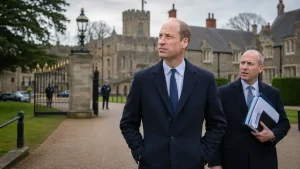
Non-working royals could face the biggest changes under Prince William’s proposed royal reforms. The public may accept that working members of the Royal Family need official residences to support duties, security, meetings and public service. It is harder to justify similar privileges for relatives who no longer represent the Crown in an official capacity.
This does not mean every non-working royal would be forced out of royal-linked accommodation. The reality is likely to be more measured. Existing leases, private payments, security concerns and family circumstances would all matter. However, the future direction could be clear: royal housing benefits may need to match royal responsibilities.
This would support the idea that privilege should be earned through duty. If a family member carries out public engagements, supports national events and represents the monarchy, a residence may be easier to justify. If they live as a private citizen, the expectation may shift towards private funding and normal commercial terms.
Possible criteria for future royal housing
- Whether the person is a working royal.
- Whether the home supports official duties.
- Whether rent is paid privately.
- Whether public money is involved in maintenance.
- Whether the arrangement creates reputational risk.
- Whether the terms can be explained clearly to taxpayers.
Could Sub-Letting Royal Properties Be Banned Under King William?
Sub-letting could become one of the most obvious targets of royal reform. The issue is simple: if a royal-linked property is provided on favourable or historic terms, the public may question whether it should also generate private rental income.
A future King William could decide that royal property should not be used for personal profit unless the arrangement is fully commercial, transparent and properly approved. Such a move would not only address the Andrew-related controversy. It would also prevent similar stories from damaging the monarchy later.
The likely reform would be a rule-based system. Some properties might carry a direct ban on sub-letting, as reported in relation to the Forest Lodge lease. Others might require written approval, open valuation and confirmation that no public subsidy is involved.
| Possible sub-letting rule | Purpose | Public benefit |
| Total ban on sub-letting palace-linked homes | Prevent private profit from royal status | Builds trust |
| Written approval for estate cottages | Creates a formal record | Reduces confusion |
| Market rent requirement | Avoids hidden privilege | Improves fairness |
| Public disclosure in sensitive cases | Shows accountability | Limits reputational damage |
How Might Prince William Make The Monarchy More Transparent?
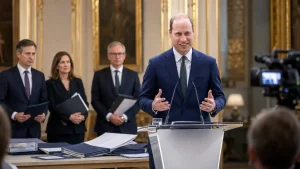
Prince William may make transparency a defining part of his future reign. The monarchy does not operate like an elected government, but it still relies on public consent. When public money, royal estates and national institutions are involved, the public expects clearer answers.
Transparency could include better explanations of who receives accommodation, how properties are funded, whether rent is paid, and how royal duties relate to royal benefits. The goal would not be to publish every private family detail. Instead, it would be to provide enough information to prevent suspicion and confusion.
A constitutional commentator put it this way:
“I would expect a future King William to understand that silence no longer protects the monarchy in the way it once did. In many cases, I think a short, clear explanation is less damaging than allowing uncertainty to grow.”
This insight fits the current media environment. Stories move quickly, and unanswered questions often become bigger than the original issue. A more transparent monarchy may be better able to defend itself.
Public Funding, The Sovereign Grant And Palace Accountability
The Sovereign Grant is often at the centre of public debate because it connects the monarchy to taxpayer-supported funding. Even where royal accommodation is not directly paid for by the public in a simple way, maintenance, staffing, security and estate management can still raise questions.
Prince William’s proposed royal reforms could include clearer distinctions between public, official and private spending. This would help readers, taxpayers and royal observers understand what is funded by the Sovereign Grant, what is paid from private royal income, and what is covered by personal arrangements.
Why Public Trust Matters To The Future Of The Firm
Public trust is one of the monarchy’s most valuable assets. Without it, even historic tradition can become vulnerable. Prince William appears aware that younger generations may not automatically support the monarchy simply because it has always existed.
This means reform may not be optional. It may be necessary for survival. A monarchy that shows restraint, service and accountability is more likely to retain public respect than one that appears closed, defensive or overly generous to its own members.
Could Prince William Continue The Slimmed-Down Monarchy Started By King Charles?
Prince William is likely to continue the idea of a slimmed-down monarchy. King Charles has already been associated with a smaller group of working royals, and William may take that model further.
A slimmed-down monarchy means fewer people representing the Crown, fewer extended family members with official status, and a sharper focus on the direct line of succession. This approach can reduce cost, simplify public messaging and make the monarchy easier to understand.
However, it also brings challenges. A smaller group of working royals must cover many duties, charities, visits and national occasions. If the number becomes too small, the Royal Family may struggle to maintain its public presence across the UK and Commonwealth.
| Benefit of slimmed-down monarchy | Possible drawback |
| Lower public criticism over cost | Fewer royals available for duties |
| Clearer focus on direct heirs | More pressure on William and Catherine |
| Less reputational risk from wider family | Reduced visibility in communities |
| Easier public messaging | More difficult diary management |
Will Royal Duties Become More Closely Linked To Royal Privileges?
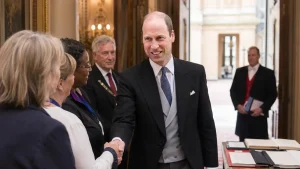
Royal duties may become much more closely linked to royal privileges under King William. This could be one of the most important themes of his reign.
The basic principle would be straightforward: those who serve the Crown publicly may receive official support, while those who do not serve should live more independently. That would apply to housing, public status, staffing, travel and perhaps even appearances at major royal events.
This does not mean the monarchy would become cold or purely transactional. The Royal Family is still a family. But as an institution, it may need firmer boundaries. A private relative and a working royal are not the same, and future arrangements may reflect that difference more clearly.
Possible future distinction
Working royals may continue to receive official residences, staff support and public-facing roles because their lives are tied to national service. Non-working royals may still attend family events, but they could receive fewer institution-backed benefits.
How Could Prince William Balance Tradition With Modern Royal Reform?
Prince William’s challenge will be to reform without making the monarchy look unstable. The British monarchy is built on continuity. Sudden or dramatic change could unsettle supporters who value tradition, ceremony and heritage.
The likely approach would be gradual reform. Property rules could be reviewed first. Spending explanations could become clearer. Working royal duties could be more formally linked to privileges. Public communication could become more direct.
At the same time, William would probably preserve the symbols that give the monarchy its identity. Coronations, state occasions, royal patronages, remembrance events and national ceremonies are unlikely to disappear. The change would be more about management than image alone.
In this sense, Prince William’s proposed royal reforms may be practical rather than revolutionary. They would aim to make the monarchy look disciplined, modern and responsible while keeping its historic role intact.
What Could Prince William’s Leadership Style Mean For The Royal Family?
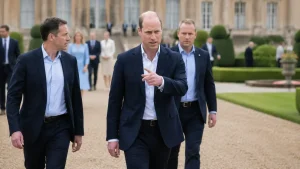
Prince William’s leadership style may be more direct, practical and image-conscious than previous generations. He has grown up under intense media pressure and understands how quickly public opinion can shift.
As King, he may be less willing to tolerate arrangements that create avoidable controversy. The Andrew property row is an example of the kind of issue that can overshadow royal work, charity campaigns and national events. A future King William may prefer to deal with such risks early rather than allow them to grow.
His leadership may also focus on family discipline. This could include clearer expectations for behaviour, fewer mixed messages and a stronger divide between public duty and private life. Such a style may not please every royal relative, but it could help protect the Crown.
Could These Royal Reforms Affect The Public View Of The Monarchy?
Prince William’s proposed royal reforms could improve the public view of the monarchy if they are handled carefully. Many people do not necessarily expect the Royal Family to live like ordinary citizens. However, they do expect fairness, service and responsibility.
If William is seen to remove outdated privileges, tighten property rules and demand accountability, the monarchy may appear more in touch with modern Britain. This could be especially important for younger people, who may be more sceptical of inherited status.
However, reform can also create negative headlines. Family disagreements, lease disputes and questions over who loses what could become public controversies. The success of the reforms would depend on timing, communication and consistency.
What Are The Biggest Challenges Prince William May Face As King?
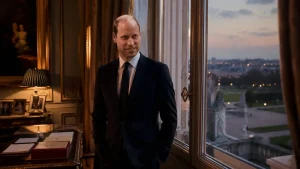
The biggest challenge will be balancing public expectation with family reality. The Royal Family is both a national institution and a private family network. Decisions about property, titles and duties may have emotional consequences as well as constitutional ones.
Another challenge will be public impatience. Once reform is discussed, people may expect quick results. Yet property leases, estate rules and financial arrangements can be legally complex.
A further challenge is media scrutiny. Any reform may be judged not only by what changes but also by who is affected. If some relatives appear protected while others lose privileges, criticism may grow.
Key challenge summary
Prince William may need to prove that royal reform applies fairly, not selectively. The credibility of any future changes will depend on whether the same principles are applied across the family.
What Could Change When Prince William Becomes King?
Several things could change when Prince William becomes King. The most likely reforms would involve property, transparency, working royal status and public accountability.
He may review who lives in royal residences, whether rent is paid on suitable terms, and whether non-working family members should receive benefits connected to royal status. He may also restrict sub-letting and make official property arrangements easier to explain.
The monarchy may become smaller, sharper and more focused on direct public service. Prince George, Princess Charlotte and Prince Louis may grow up within a system where royal roles are more clearly defined from the start.
| Area of reform | What could change | Likely impact |
| Royal properties | Review of leases and residence terms | Fewer controversies |
| Non-working royals | Reduced access to favourable benefits | Clearer family boundaries |
| Public reporting | More explanation of funding and housing | Greater trust |
| Working royal roles | Duties linked more clearly to support | Stronger service message |
Could Prince William’s Proposed Royal Reforms Reshape The Modern Monarchy?
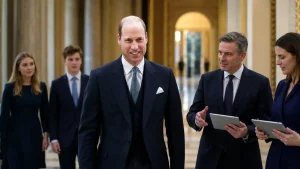
Prince William’s proposed royal reforms could reshape the modern monarchy by making it more accountable, more disciplined and more closely aligned with public expectations. The Andrew property row has highlighted a wider issue: royal privilege now needs clearer justification.
When William becomes King, he may not seek to weaken the monarchy. Instead, he may try to protect it by removing practices that appear outdated or difficult to defend. Property arrangements, non-working royal benefits, sub-letting rules and transparency could all become part of this wider shift.
The future monarchy may still value ceremony, duty and tradition, but it may also need to show that privilege comes with responsibility. If Prince William can balance those ideas, his reforms could define a new royal era.
Conclusion
Prince William’s proposed royal reforms could mark a practical shift towards a more transparent, disciplined and duty-focused monarchy. By reviewing royal property arrangements, limiting favourable benefits for non-working royals and linking privilege more clearly to public service, he may try to protect the Crown’s long-term reputation.
While tradition will remain central to the Royal Family, future change may be necessary to keep public trust. Under King William, the monarchy could become smaller, clearer and more accountable.
FAQs
What are Prince William’s proposed royal reforms?
Prince William’s proposed royal reforms may include stricter property rules, clearer royal duties and greater transparency.
Why are royal property arrangements under scrutiny?
They are under scrutiny because recent reports raised questions about favourable housing terms and public accountability.
Could non-working royals lose housing benefits?
Non-working royals could face reduced benefits if future rules link royal privileges more closely to official duties.
Will Prince William ban sub-letting of royal properties?
He may consider tighter controls or bans on sub-letting where royal-linked homes are involved.
Could the monarchy become smaller under King William?
Yes, Prince William may continue the slimmed-down monarchy approach already associated with King Charles.
How could transparency change under Prince William?
The monarchy may provide clearer explanations about property, funding and the use of royal residences.
Would these reforms improve public trust?
They could improve public trust if the changes are seen as fair, consistent and properly explained.