The Andrew Mountbatten-Windsor rental income story is about undisclosed money he received from sub-letting three cottages on the Royal Lodge estate.
The arrangement was revealed in a National Audit Office report, although the exact amount of rental income was not published.
The issue has added pressure on the Royal Family because it connects private income, royal residences, public funding and questions over financial transparency.
Key takeaways:
- Andrew Mountbatten-Windsor received rental income from three Royal Lodge cottages.
- The cottages were part of the estate leased from the Crown Estate.
- The amount received has not been disclosed.
- His Royal Lodge lease reportedly continues until October 2026.
- The King pays palace accommodation rent for Princess Beatrice and Princess Eugenie through the privy purse.
- The story has increased scrutiny of royal property arrangements.
What Is the Andrew Mountbatten-Windsor Rental Income Story About?
The story centres on three cottages located on the Royal Lodge estate. Andrew Mountbatten-Windsor had a lease on Royal Lodge, and that lease allowed three nearby cottages to be sub-let.
According to the information revealed, he received rental income from those cottages. However, the exact amount was not disclosed in the National Audit Office report.
This lack of a figure has left room for public debate, especially because royal accommodation arrangements often attract close attention in the UK.
The Three Cottages on the Royal Lodge Estate
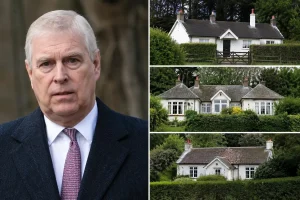
Royal Lodge was not just a single main residence. The estate also included several nearby properties. Of those, three cottages were allowed to be sub-let under the lease terms.
The BBC report cited Palace sources suggesting the cottages were rented to staff or retired staff, and that the amount received was only enough to cover running costs. Even so, the phrase “rental income” has raised questions because it involves a senior royal figure, a royal estate and private financial arrangements.
Why the Amount Remains Undisclosed?
The National Audit Office report revealed that rental income existed, but it did not publish the value. This matters because public interest in royal finances often increases when figures are unclear.
| Issue | What Is Known | What Is Not Known |
| Rental income | It was received from three cottages | The total amount |
| Property location | Royal Lodge estate | Exact cottage rental terms |
| Leaseholder | Andrew Mountbatten-Windsor | Full financial breakdown |
| Report source | National Audit Office | Detailed tenant payments |
How Did the Royal Lodge Lease Allow Sub-Letting?
The Royal Lodge lease was held from the Crown Estate. Reports state that Andrew Mountbatten-Windsor paid £7.5 million for repairs when he took on the lease. This reportedly meant he did not have to pay monthly rent in the usual way.
The lease also allowed three cottages on the estate to be sub-let. This arrangement reportedly continued until April 2026.
Lease Terms and Property Responsibilities
Long-term property leases can include different conditions. In this case, the repair payment appears to have been a major part of the arrangement. The lease also included permission for some additional properties on the estate to be rented out.
A property adviser described the issue clearly:
“I would not look at this only as a rent story. I would look at the full lease, the repair obligations, the permitted use of the estate and whether the financial arrangement was clearly explained to the public.”
Sub-Letting Until April 2026
The sub-letting arrangement reportedly continued until April 2026. Andrew Mountbatten-Windsor has also reportedly left Royal Lodge and moved to Sandringham in Norfolk, although the Royal Lodge lease remains in place until October 2026.
| Timeline Detail | Reported Position |
| Royal Lodge lease | Still held until October 2026 |
| Three cottages sub-let | Until April 2026 |
| Royal Lodge departure | Earlier this year |
| New residence | Sandringham, Norfolk |
Why Has Rental Income Added Pressure on the Royal Family?
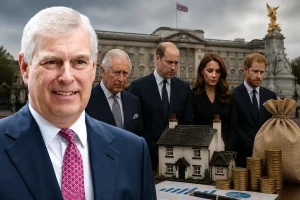
Rental income has added pressure because it sits within a wider royal finance debate. The issue is not only about three cottages. It also connects to questions about how royal homes are managed, who pays for accommodation and how much information should be available to the public.
Key concerns include:
- Whether royal property arrangements are easy for the public to understand
- Whether private income linked to royal estates should be disclosed more clearly
- Whether non-working royals should receive accommodation support
- Whether public funding and private funding are clearly separated
The Palace has said the report is in line with the Royal Household’s commitment to transparency. However, transparency does not always reduce scrutiny. Sometimes, it creates further questions.
What Did the National Audit Office Report Reveal?
The National Audit Office report revealed that Andrew Mountbatten-Windsor received rental income from sub-letting three cottages on the Royal Lodge estate. It also revealed that the King pays rent for accommodation in royal palaces for Princess Beatrice and Princess Eugenie.
Both are daughters of Andrew Mountbatten-Windsor, and neither is a working royal. Princess Eugenie has a property in Kensington Palace, while Princess Beatrice has one in St James’s Palace.
Transparency Around Royal Properties
The Palace response welcomed the report and said it helped clarify and contextualise royal property arrangements. The statement also noted that arrangements vary depending on location, tenants and purpose.
A public finance specialist explained the concern in plain terms:
“I think the main issue is not whether a cottage was rented out. The concern is whether people can easily see which costs are private, which are public, and who benefits from each arrangement.”
Public Funding and the Sovereign Grant
The report also matters because some royal palaces are maintained through the Sovereign Grant. This is public funding used to support official royal duties and maintain occupied royal palaces.
| Funding or Payment Source | How It Relates to the Story |
| Crown Estate | Landlord of Royal Lodge lease |
| Privy Purse | Pays rent for Beatrice and Eugenie’s accommodation |
| Sovereign Grant | Maintains some royal palaces |
| Private rental income | Received from three Royal Lodge cottages |
Who Pays for Princess Beatrice and Princess Eugenie’s Royal Accommodation?
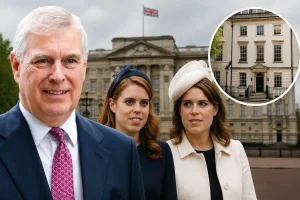
The report states that the King pays the rent for accommodation in royal palaces for Princess Beatrice and Princess Eugenie. This is paid through the privy purse, described as the monarch’s personal money, to the Royal Household.
The issue has drawn attention because both princesses are not working royals. Their accommodation is within royal palaces, and those palaces are maintained through public funding via the Sovereign Grant.
This creates a complicated picture. The rent may be paid privately, but the buildings themselves are part of the publicly supported royal estate. That distinction is important but not always easy for readers to follow.
How Does the Privy Purse Fit Into the Royal Property Debate?
The privy purse is relevant because it is the source used to pay rent for Princess Beatrice and Princess Eugenie’s accommodation. It is separate from the Sovereign Grant, but the properties involved are still royal palace accommodation.
This creates a layered funding structure:
| Question | Answer |
| Who pays the daughters’ rent? | The King, through the privy purse |
| Are they working royals? | No |
| Where are the homes? | Kensington Palace and St James’s Palace |
| Are the palaces publicly maintained? | Yes, through the Sovereign Grant |
This distinction is likely to remain central to public debate. People may accept private payment more easily, but they may still ask whether non-working royals should occupy palace accommodation.
Why Is Royal Lodge Still Important After Andrew Mountbatten-Windsor’s Move?
Royal Lodge remains important because the lease reportedly continues until October 2026. Even though Andrew Mountbatten-Windsor has moved to Sandringham, the lease arrangement has not simply disappeared.
This means Royal Lodge is still part of the wider discussion around royal property management. The property, its repair costs, its associated cottages and its lease terms all continue to matter.
The issue also shows how royal property stories can continue beyond a person’s physical residence. A move from one home to another does not end questions about leases, costs or obligations.
What Does This Mean for Royal Financial Transparency?

The Andrew Mountbatten-Windsor rental income story highlights a bigger point: royal finances are often difficult for the public to separate into simple categories.
There is private money, public funding, Crown Estate property, palace accommodation and lease-based responsibilities. Each may be legitimate in its own right, but together they can appear unclear.
Greater transparency could help by showing:
- Who pays for each property
- Whether income is private or linked to official arrangements
- Which homes are maintained through public funds
- Whether non-working royals receive support
- How lease obligations are structured
Clearer explanations may not stop criticism, but they can reduce confusion.
How Could This Affect Public Perception of the Monarchy?
Public perception can be shaped by details that seem small but symbolic. Three cottages may not sound like a major financial matter, but the story involves royal status, property income and public accountability.
For many readers, the key issue is fairness. At a time when housing costs remain a major pressure across the UK, stories about royal residences and rental income can feel especially sensitive.
The monarchy relies heavily on public trust. When financial arrangements appear complex or incomplete, that trust can be tested. The Palace’s emphasis on transparency may help, but only if the public feels the information is clear enough.
What Are the Key Details of the Andrew Mountbatten-Windsor Rental Income Issue?
| Key Point | Detail |
| Main issue | Rental income from three cottages |
| Person involved | Andrew Mountbatten-Windsor |
| Estate | Royal Lodge |
| Landlord | Crown Estate |
| Amount disclosed | No |
| Report source | National Audit Office |
| Sub-letting ended | April 2026 |
| Lease ends | October 2026 |
| Current residence | Sandringham, Norfolk |
What Should Readers Take Away From This Royal Rental Income Story?

The main takeaway is that royal property arrangements are under closer scrutiny than ever. The rental income itself may have been linked to permitted lease terms, and Palace sources reportedly suggested the money covered running costs. However, the absence of a disclosed figure has kept the issue in the public eye.
This story is also about more than Andrew Mountbatten-Windsor. It reflects wider questions about royal accommodation, non-working royals, private payments and public funding.
Conclusion
The Andrew Mountbatten-Windsor rental income disclosure has added further pressure on the Royal Family because it combines property income, royal residence arrangements and transparency concerns.
While the National Audit Office report has provided more information, it has also encouraged fresh debate about how royal finances should be explained to the UK public.
Frequently Asked Questions
Did Andrew Mountbatten-Windsor receive rental income from Royal Lodge cottages?
Yes. The National Audit Office report revealed that Andrew Mountbatten-Windsor received rental income from sub-letting three cottages on the Royal Lodge estate.
How many cottages were sub-let on the Royal Lodge estate?
Three cottages were sub-let. These were part of the wider Royal Lodge estate, which included the main residence and several nearby properties.
Was the amount of rental income publicly disclosed?
No. The report revealed that rental income was received, but it did not state how much Andrew Mountbatten-Windsor received.
Who owns the Royal Lodge estate?
Royal Lodge is linked to the Crown Estate. Andrew Mountbatten-Windsor held the lease for the property rather than owning it outright.
Does Andrew Mountbatten-Windsor still have the Royal Lodge lease?
Yes. Reports state that although he has moved to Sandringham, he still holds the Royal Lodge lease until October 2026.
Who pays for Princess Beatrice and Princess Eugenie’s palace accommodation?
The King pays the rent through the privy purse, which is described as the monarch’s personal money.
Why is the Sovereign Grant mentioned in this story?
The Sovereign Grant is mentioned because Kensington Palace and St James’s Palace are maintained through public funding, even though rent for the princesses’ accommodation is paid through the privy purse.