Navigating the UK housing system can be a daunting task, especially when it comes to understanding the options available through local authorities. With rising private rental prices and growing demand for affordable living, council housing remains a vital solution for many households.
Whether you’re exploring options for yourself or assisting someone else, gaining clarity on the financial side of council housing is essential. In particular, two-bedroom properties are among the most sought-after by small families, couples, and individuals needing extra space. This guide explores what you should know about council house costs, regional variations, and support systems in place.
What is a Council House and How Does it Work?

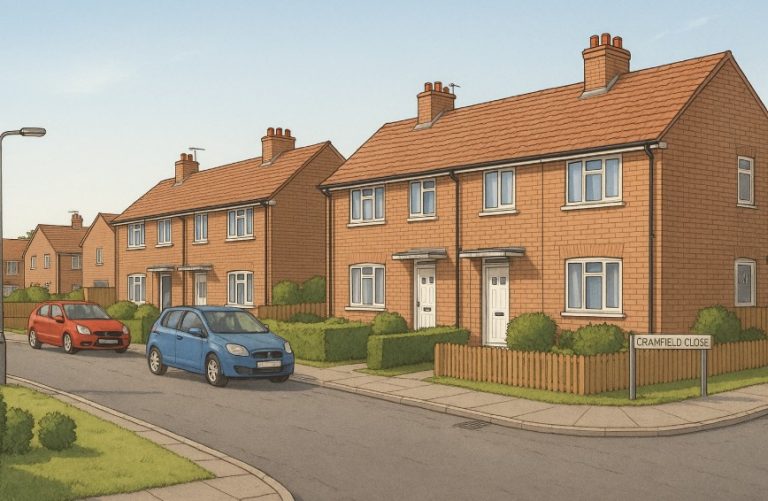
Council houses are a form of publicly owned residential property in the UK, typically managed by local authorities or housing associations. These homes are designed to provide affordable accommodation for people on low to moderate incomes.
Key features of council housing include:
- Lower rent compared to private rentals
- Greater security of tenure
- Maintenance responsibilities shared between the tenant and council
Applicants for council housing must meet specific eligibility criteria, such as local residency, income limits, or urgent housing needs. Once accepted, applicants are placed on a waiting list and offered a property based on priority bands.
How Much Does it Cost to Rent a 2 Bedroom Council House in the UK?
The cost of renting a 2 bedroom council house depends on multiple factors such as location, property type, and local authority. However, across the UK, average costs are typically within the following range:
- Monthly Rent: £350 to £390
- Annual Rent: £4,200 to £4,680
These rents are considerably lower than private rental costs. For example, a privately rented 2-bedroom flat in many parts of England can exceed £900 per month, especially in urban areas like London, Bristol, or Manchester.
What Are the Average Rents for 2 Bedroom Council Properties by Type?
Council homes come in different formats such as flats, terraced houses, and cottages. Below is a table illustrating the estimated average monthly and annual rents for various 2-bedroom council properties:
| Property Type | Monthly Rent (£) | Annual Rent (£) |
| 2 Bedroom Cottage Flat | 350 | 4,200 |
| 2 Bedroom Terraced House | 375 | 4,500 |
| 2 Bedroom Terraced Amenity Cottage | 370 | 4,440 |
| 2 Bedroom Terraced Wheelchair Cottage | 385 | 4,620 |
These values represent social rent levels based on averages from local authority data. Some properties, such as amenity or wheelchair-accessible homes, may have slightly higher rents due to specialist design and accessibility features.
Why Do Council House Rents Vary Across the UK?

Rent prices for council houses differ significantly by region and property characteristics. The primary reasons include:
- Regional housing demand: Areas like London and the South East have higher rents due to greater housing demand and cost of living.
- Property condition and age: New builds or refurbished homes may have slightly higher rent compared to older stock.
- Council-specific rent policies: Local councils set rents within government frameworks, but there is still flexibility.
For example, a 2-bedroom council flat in East Midlands may cost around £355/month, while a similar property in London might reach £450/month under social rent terms.
How Are Council House Rents Calculated?
Rents for council housing are usually calculated using the ‘formula rent’ system, introduced by the government to standardise rental pricing. This formula considers:
- The local average income
- The size and value of the property
- National average rent levels
- Location-based weighting
This formula ensures tenants in similar circumstances pay similar rent levels, regardless of local authority boundaries. However, authorities can deviate slightly under rent restructuring schemes or Affordable Rent models.
What’s the Difference Between Council and Housing Association Rents?
Though both fall under the umbrella of social housing, there are distinctions between council and housing association rents.
| Feature | Council Rent | Housing Association Rent |
| Rent Level | Generally lower | Slightly higher (up to 80% of market rent) |
| Management | Local council | Independent non-profit organisations |
| Property Availability | Limited and declining | Broader development pipeline |
| Eligibility Requirements | Similar criteria | Often slightly more flexible |
Housing associations may charge Affordable Rent, which is capped at 80% of local market rent. While still cheaper than private housing, this is often higher than traditional council rent.
How Much is Council Tax on a 2 Bedroom Council House?
Council tax is an essential monthly expense for tenants. Most 2-bedroom council homes are placed in Band A or Band B, which carry the lowest tax rates.
On average:
- Band A: ~£1,440 annually
- Band B: ~£1,620 annually
Tenants living in wheelchair-adapted or specially designed properties may fall under Band B due to additional features or larger floor areas.
People on low income or benefits may qualify for Council Tax Reduction, potentially reducing or eliminating the cost.
Can You Get Help Paying Council House Rent in the UK?

Yes. There are various national and local schemes to assist tenants with rent:
- Housing Benefit: Available for those not on Universal Credit. Calculated based on income, savings, and household circumstances.
- Universal Credit (Housing Element): Replaces Housing Benefit for new claimants. Covers housing costs directly.
- Discretionary Housing Payments: Local councils can offer short-term financial help for rent.
- Local Welfare Assistance Schemes: Emergency support for rent arrears, especially in crisis situations.
To apply, tenants must provide evidence of financial hardship or eligibility through the local authority.
What Should Tenants Know Before Renting a Council Property?
Before signing a tenancy agreement, it’s crucial for prospective tenants to understand the key elements of renting a council house. Council housing provides stability and affordability, but it also comes with responsibilities and conditions that differ from private renting.
Types of Tenancy Agreements
Council housing is usually offered through specific tenancy types, each with varying levels of rights and security. Most tenants begin with an introductory tenancy, which lasts for a year and acts as a probationary period.
If there are no serious breaches during this time, it is often upgraded to a secure tenancy—a long-term agreement offering more legal protections and the right to buy the property after a qualifying period.
Some councils now offer flexible tenancies, which are fixed-term and reviewed at the end of the period. In cases of serious misconduct, a secure tenancy can be downgraded to a demoted tenancy, with fewer rights and easier eviction conditions.
Rent Responsibilities
Tenants are legally obliged to pay rent in full and on time. Councils offer several ways to pay, such as Direct Debit, online platforms, or in-person payment schemes.
Even if housing support such as Universal Credit or Housing Benefit is received, the tenant is ultimately accountable for ensuring payments are made.
Falling behind on rent can lead to arrears, and if unresolved, councils may take enforcement action, including court proceedings.
Maintenance and Repairs
Responsibility for upkeep is shared between the tenant and the council. The local authority typically manages major structural issues like leaking roofs, faulty wiring, or broken boilers.
Tenants are expected to handle basic maintenance—keeping the home clean, managing condensation, and reporting any problems promptly.
Neglecting the condition of the property may result in additional charges or the refusal of repairs if the damage is deemed tenant-caused.
Permission for Alterations
If a tenant wishes to make changes to the property, such as fitting new kitchen units, adding an extension, or installing a satellite dish, they must first get written approval from the council. Even seemingly small modifications, like repainting certain areas or changing flooring, may require permission depending on the council’s policies.
Unauthorized alterations can lead to formal warnings or demands to reverse the changes at the tenant’s expense.
Behaviour and Conduct
Tenants are expected to behave responsibly and not cause disruption to neighbours or the wider community. Councils treat anti-social behaviour seriously. This includes repeated noise complaints, vandalism, harassment, or any illegal activity associated with the home.
If complaints are received, the council may investigate, issue warnings, or take legal action that can ultimately lead to eviction. Maintaining respectful and considerate conduct is essential for preserving the tenancy.
Other Costs and Considerations
Rent doesn’t usually include other household costs. Tenants are responsible for paying utilities, internet, council tax, and TV licence fees. Most council homes are unfurnished, so tenants may also need to budget for essential items such as white goods, curtains, and floor coverings.
Unlike private landlords, councils do not provide contents insurance, so tenants should consider obtaining a separate policy to protect personal belongings from fire, theft, or accidental damage.
Support Services
Local authorities offer a range of support services designed to help tenants manage their responsibilities and maintain their tenancy. These include:
- Help with budgeting or rent arrears
- Mediation for neighbour disputes
- Tenancy sustainment officers for vulnerable tenants
Accessing these services early can prevent problems from escalating and provide much-needed guidance, especially for first-time council tenants.
How to Apply for a Council House in the UK?
The application process varies slightly by region but generally includes:
- Registering online or in person with the local council.
- Completing a housing needs assessment – including income, dependants, medical needs, and current housing.
- Receiving a priority band (e.g., Band A–D), which ranks urgency.
- Using a choice-based lettings system to bid for available council house.
Applicants may be required to submit supporting documents and update their application regularly to stay on the list.
Tenants with the highest priority or most urgent need are likely to be offered housing first.
Is Renting a 2 Bedroom Council House Cheaper Than Private Renting?

Yes – council housing is generally far more affordable than private rentals. On average:
- Council 2 Bedroom Rent: £350–£390/month
- Private 2 Bedroom Rent: £850–£1,200+/month (depending on location)
Additional benefits of council renting include:
- Longer tenancy durations
- Rent caps
- Eligibility for housing support
- Lower initial costs (usually no deposit required)
While the waiting time can be extensive, the long-term savings and security often make council homes a preferable option for eligible households.
Conclusion
Renting a 2 bedroom council house in the UK offers a much more affordable alternative to private renting, with average rents between £350 and £390 per month. Tenants also benefit from stable tenancy conditions and various financial support schemes.
Although availability can be limited and waiting times long, council housing remains a crucial lifeline for families and individuals needing secure and low-cost accommodation.
FAQs About Renting a 2 Bedroom Council House in the UK
How long is the wait for a 2 bedroom council house in most areas?
Waiting times vary by location and demand. In high-demand areas, it could take months or even years to secure a 2 bedroom property.
Can a single person rent a 2 bedroom council house?
While it’s possible, priority is usually given to families or individuals with children. A single person may only be considered if there is no high demand in that area.
Are pets allowed in council houses?
Pet policies differ by council. Some allow pets, while others may restrict them based on the type of property or tenancy agreement.
Do you need a deposit to rent a council house?
No deposit is usually required. However, rent may be requested in advance, especially for new tenancies.
Can you buy your 2 bedroom council house later?
Yes, many tenants are eligible under the Right to Buy scheme, provided they’ve been a secure tenant for a certain number of years.
Are utility bills included in council rent?
No, tenants are responsible for paying their own gas, electricity, water, and other utility bills.
Can council house rent increase?
Yes, but increases are regulated and typically occur annually in line with government guidelines and inflation.