The Chris Singellos landlord tribunal ruling resulted in a former tenant being awarded £12,555 after the First tier Property Tribunal reviewed claims involving unsafe living conditions, alleged lock changes, and licensing failures at a London rental property.
The case centred around severe water leaks, a collapsed ceiling, lack of heating and hot water, and whether the tenant was unlawfully prevented from accessing the flat after temporarily leaving due to safety concerns.
Key Takeaways:
- Chris Singellos was ordered to pay £12,555 to a former tenant
- The tribunal criticised the landlord’s “dismissive approach”
- Water leaks and a collapsed ceiling made the property unsafe
- The tenant claimed she was locked out after leaving temporarily
- The property reportedly lacked a required Haringey selective licence
- The case highlights key landlord responsibilities under UK housing law
Why Was Chris Singellos Ordered to Pay More Than £12K to His Tenant?
The tribunal ruling centred on multiple issues connected to the condition of the rental property and the events that followed after the tenant temporarily left the flat due to safety concerns.
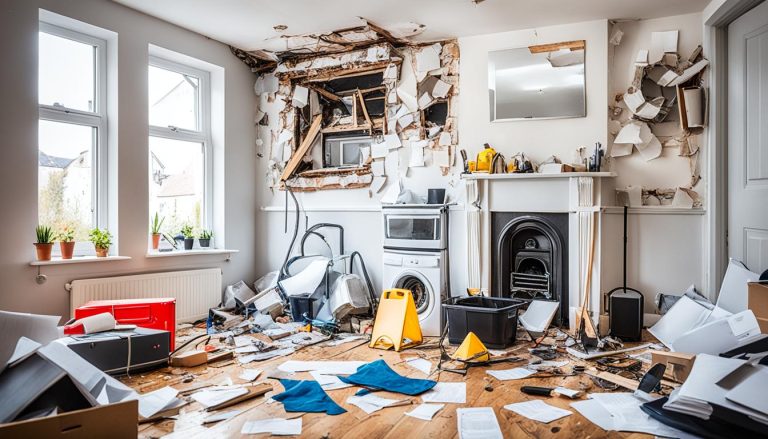
According to tribunal findings, the tenant experienced ongoing maintenance problems at the Fairfax Mews property in London throughout the tenancy. Water leaks reportedly affected several areas inside the flat, including the bedroom and living room. Over time, the situation became significantly worse when part of the living room ceiling collapsed.
At the same time, the boiler stopped functioning properly, leaving the tenant without heating and hot water. These combined problems created conditions that the tenant described as unsafe and impossible to continue living in comfortably.
The tenant later contacted Chris Singellos by email explaining that the property was no longer habitable. She informed him that she was temporarily staying on a friend’s sofa until she could recover her belongings and secure alternative accommodation.
However, the dispute escalated further when the tenant attempted to return to the property.
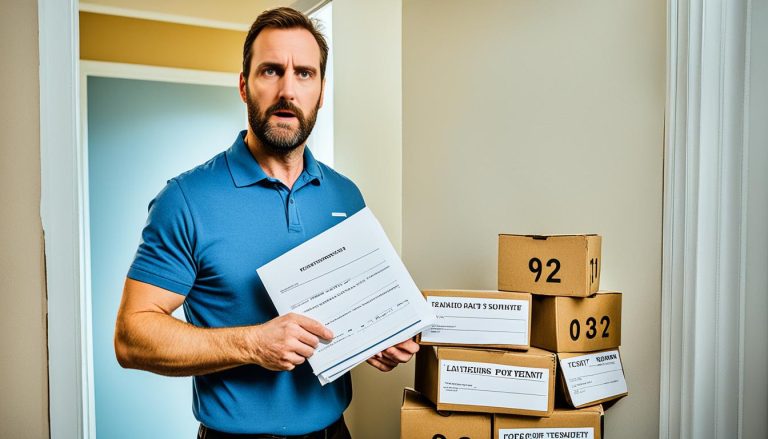
The tribunal heard that she visited the flat twice in December 2023 to collect possessions. During the first visit, she reportedly discovered that the bedroom door had been locked. During the second attempt, the locks to the property itself had allegedly been changed, preventing access completely.
The tribunal ultimately concluded that the tenant had not formally surrendered the tenancy and therefore still retained legal occupation rights.
This finding became one of the most important aspects of the case because restricting access during an active tenancy can create serious legal consequences under UK housing law.
What Triggered the Tenant’s Complaint?
Several factors contributed to the tenant’s complaint and eventual tribunal application.
The major concerns included:
- Persistent water leaks
- Ceiling collapse
- Boiler failure
- Lack of heating and hot water
- Restricted access to belongings
- Alleged lock changes
The tenant argued that the property conditions had deteriorated to the point where remaining inside the flat was no longer reasonable or safe.
Housing disputes involving structural damage often become more serious when landlords fail to address repair reports quickly. In this case, the tribunal appeared to place considerable importance on the repeated warnings given about the leaking issues before the ceiling collapsed.
How the Property Conditions Escalated?
The tribunal documents suggested that the leaks had continued for an extended period before major structural damage occurred. Water ingress reportedly spread into different sections of the property and caused worsening internal damage over time.
Once the ceiling collapsed, the seriousness of the maintenance issue became much harder to dispute.
The lack of heating and hot water also strengthened the tenant’s position because these are generally considered essential services under UK rental standards.
The following table outlines the reported property issues and their possible impact on tenant safety.
| Reported Problem | Potential Impact on Tenant |
| Water leaks | Damp, mould, structural weakening |
| Ceiling collapse | Safety hazard and property damage |
| Boiler failure | No heating or hot water |
| Ongoing moisture issues | Reduced habitability |
| Locked access | Inability to retrieve belongings |
The tribunal considered the overall living conditions rather than focusing on a single issue in isolation. This wider assessment helped establish whether the property remained suitable for occupation.
Tribunal Findings on Landlord Conduct
One of the strongest criticisms within the ruling related to the landlord’s response to the tenant’s concerns.
The judge stated that Chris Singellos had taken a “dismissive approach” toward the genuine problems reported during the tenancy. The tribunal also concluded that insufficient action had been taken to resolve the leaks despite repeated alerts from the tenant.
This language indicates that the tribunal believed the maintenance problems could potentially have been prevented from becoming so severe if earlier intervention had occurred.
A London housing adviser explained the importance of this issue clearly:
“Tribunals often look closely at how landlords respond after receiving repair complaints. Delays, poor communication, or ignoring repeated warnings can significantly influence the final outcome.”
The tribunal’s comments also reflect wider expectations within the UK rental market regarding landlord accountability and housing safety standards.
What Problems Were Reported at the Fairfax Mews Rental Property?
The Fairfax Mews property became the centre of the tribunal proceedings because of the conditions described by the tenant during the dispute.
According to evidence reviewed during the hearing, water leaks affected several parts of the flat and gradually caused extensive internal damage. The tenant reported that both the bedroom and living room areas were impacted before the situation worsened dramatically with the collapse of the ceiling.
The boiler failure created an additional problem because it left the property without heating or hot water.
For tenants in the UK, heating and hot water are generally viewed as essential services, particularly during colder months. When these systems fail and repairs are delayed, disputes can escalate quickly.
Unsafe Living Conditions Explained
Under UK housing law, landlords are expected to maintain rental properties to a safe and liveable standard.
This normally includes responsibilities such as:
- Repairing structural issues
- Maintaining heating systems
- Addressing water leaks promptly
- Preventing hazards caused by damp or damage
- Ensuring tenants can safely occupy the property
If these obligations are ignored, tenants may seek support from local councils, housing organisations, or tribunals.
The tribunal in this case appeared satisfied that the property conditions had deteriorated substantially before the tenant left temporarily.
Why the Property Was Considered Uninhabitable?
A property may be considered uninhabitable when conditions create significant risks to safety, health, or basic living standards.
In this case, the combination of ceiling collapse, water ingress, and heating failure reportedly made normal occupation extremely difficult.
The tenant explained in correspondence reviewed during proceedings that she was sleeping on a friend’s sofa while searching for alternative accommodation and attempting to organise removal of her belongings.
The following table shows common factors that may contribute to a property being viewed as uninhabitable under housing disputes.
| Housing Issue | Why It May Be Considered Serious |
| Structural collapse | Immediate safety risk |
| Severe leaks | Risk of electrical or structural damage |
| No heating | Unsafe during cold weather |
| No hot water | Basic sanitation concerns |
| Damp and mould | Potential health impacts |
Housing disputes involving multiple failures often attract stronger scrutiny because the problems collectively affect daily living standards rather than creating isolated inconvenience.
A property litigation consultant described this type of dispute clearly: “When repair issues begin affecting structural safety and essential utilities at the same time, tribunals are more likely to view the situation as serious neglect rather than routine maintenance delays.”
How Did the Lockout Incident Affect the Tribunal Ruling?
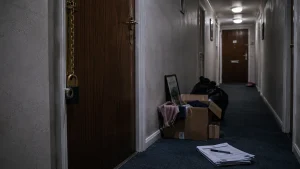
The lockout issue became one of the most significant legal elements of the case.
Although the tenant had temporarily left the property because of unsafe conditions, the tribunal examined whether she still retained legal rights to occupy the flat at the time access was restricted.
The tribunal heard that the tenant attempted to return to the property twice in December 2023 to recover belongings.
During the first visit, the bedroom door was reportedly locked. During the second visit, the main locks to the property had allegedly been changed.
These actions became central to the tribunal’s analysis because changing locks while a tenancy remains active may amount to unlawful exclusion.
The Legal Importance of Changing Locks
Landlords in the UK must generally follow proper legal procedures before preventing tenants from accessing rental properties.
If a tenancy has not formally ended, tenants often retain occupation rights even if they temporarily leave the property because of repair issues or personal circumstances.
The tribunal reviewed whether the tenant’s earlier communication amounted to a surrender of the tenancy agreement.
After considering the evidence, the tribunal concluded that the tenancy had not been legally surrendered.
This meant the tenant still held legal rights to occupy the property when access restrictions occurred.
The following table highlights the difference between tenancy surrender and temporary absence.
| Situation | Legal Meaning |
| Temporary move due to repairs | Tenancy may still remain active |
| Formal written surrender accepted by both parties | Tenancy ends legally |
| Tenant absent without agreement | Occupation rights may continue |
| Locks changed during active tenancy | Potential legal dispute |
This distinction played a major role in the final ruling.
Did the Tenant Officially End the Tenancy?
The landlord argued during proceedings that he believed the tenant would not return to the property.
However, the tribunal concluded that the tenant’s email did not clearly demonstrate a permanent surrender of the tenancy agreement.
Instead, the communication focused on the unsafe condition of the property and the temporary need to stay elsewhere.
A property law adviser explained the misunderstanding often seen in these situations:
“Some landlords assume that once a tenant leaves temporarily, the tenancy automatically ends. In practice, surrender usually requires clear agreement from both sides.”
The tribunal also examined the timing of the notice sent by the landlord giving immediate effect to termination of the agreement.
Because the tenancy had not formally ended before access was restricted, the tribunal determined that the tenant had been unlawfully deprived of occupation.
Why Did the Tribunal Criticise the Landlord’s Response?
The tribunal’s criticism focused heavily on how the repair concerns were managed before the dispute escalated.
According to the ruling, repeated warnings about water leaks were not addressed adequately before the ceiling eventually collapsed.
The judge specifically referred to a “dismissive approach” toward the tenant’s concerns. This wording suggests the tribunal believed the seriousness of the maintenance problems was underestimated or insufficiently prioritised.
In housing disputes, tribunals often examine not only whether repair issues existed but also how landlords responded after becoming aware of them.
The tribunal appeared particularly concerned that the leaks continued over time despite the tenant repeatedly raising concerns.
The following table outlines common landlord responsibilities during repair disputes.
| Landlord Responsibility | Why It Matters |
| Responding to repair reports quickly | Prevents worsening damage |
| Maintaining communication | Reduces dispute escalation |
| Arranging inspections promptly | Identifies safety risks early |
| Repairing essential systems | Protects tenant wellbeing |
| Keeping records of actions | Supports legal compliance |
Poor communication can frequently intensify housing disputes because tenants may feel their concerns are being ignored.
The tribunal’s criticism also reflects wider trends within the UK rental sector where housing safety standards are receiving greater legal attention from councils, regulators, and courts.
What Role Did Haringey Council’s Selective Licensing Scheme Play?
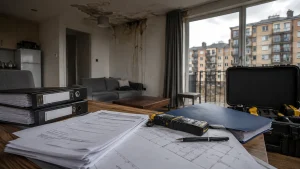
Another important issue in the case involved Haringey Council’s selective licensing rules.
The tribunal ruled that Chris Singellos had deliberately failed to obtain the required licence under the council’s scheme.
Selective licensing operates in certain areas where councils require landlords to register properties officially before renting them out.
These schemes are often introduced to improve housing standards and increase accountability within the private rental sector.
What Is a Selective Property Licence?
A selective licence is a form of council permission required in designated areas.
Landlords operating within these schemes may need to:
- Meet safety standards
- Provide management details
- Demonstrate compliance with regulations
- Maintain properties appropriately
Councils can take enforcement action against landlords who fail to comply.
Penalties for Non Compliance in the UK
Failure to obtain the correct licence can lead to several consequences.
Potential penalties may include:
- Financial fines
- Tribunal proceedings
- Rent repayment orders
- Restrictions on property management
The licensing issue strengthened the wider case against the landlord because it demonstrated additional compliance concerns beyond the repair dispute itself.
A housing compliance specialist explained the significance clearly:
“Selective licensing is not simply administrative paperwork. Councils use these schemes to monitor standards and identify landlords who may not be meeting legal obligations.”
Could This Tribunal Ruling Impact Other UK Landlords?

The tribunal ruling may have wider implications for landlords operating across the UK rental market.
Although every housing dispute depends on its individual facts, this case highlights several risks associated with ignoring repair complaints or failing to follow proper tenancy procedures.
Landlords may face increasing scrutiny where:
- Structural damage is ignored
- Essential repairs are delayed
- Communication with tenants breaks down
- Licensing obligations are not met
- Access rights become disputed
The case also demonstrates how quickly repair disputes can escalate once tenants seek legal advice or tribunal intervention.
Landlords operating in areas with selective licensing schemes may face additional pressure to maintain compliance with local regulations.
The wider rental sector has experienced growing focus on tenant protections in recent years, particularly concerning property safety and living standards.
This ruling reinforces the importance of:
- Responding quickly to maintenance concerns
- Keeping written communication records
- Understanding tenancy law carefully
- Following lawful possession procedures
- Monitoring local licensing requirements
For tenants, the case highlights the importance of documenting property conditions and preserving evidence during disputes.
Housing disputes often rely heavily on written communication, photographs, inspection reports, and timelines of events.
The outcome of this tribunal case may therefore act as a reminder to both landlords and tenants that property disputes can involve serious financial and legal consequences when housing conditions deteriorate significantly.
Conclusion
The Chris Singellos landlord tribunal ruling ended with a £12,555 award to a former tenant after the tribunal reviewed allegations involving unsafe property conditions, lockout actions, and licensing failures.
The Fairfax Mews dispute highlights how unresolved maintenance issues, poor communication, and tenancy access disputes can quickly escalate into serious legal proceedings.
For landlords, the case serves as a reminder that repair obligations, licensing compliance, and proper tenancy procedures must be handled carefully under UK housing law.
For tenants, the ruling demonstrates that legal protections exist when rental homes become unsafe or when access rights are restricted unfairly.
FAQs
Can a landlord legally change locks while a tenancy is active?
Generally, landlords cannot change locks during an active tenancy without following proper legal procedures or obtaining tenant agreement. Doing so may lead to legal disputes or unlawful eviction claims.
What is considered an unlawful eviction in the UK?
Unlawful eviction usually occurs when a tenant is forced out or denied access to a property without the correct legal process being followed.
What happens if a landlord ignores serious repair issues?
Landlords who fail to address major repairs may face tribunal action, compensation claims, council enforcement measures, or financial penalties.
How much compensation can tenants receive from a tribunal?
Compensation amounts vary depending on the circumstances, including the seriousness of the housing issues, financial losses, and evidence presented.
What is a selective licensing scheme for landlords?
Selective licensing schemes require landlords in designated council areas to obtain licences before renting out properties legally.
Can tenants leave a property if it becomes uninhabitable?
Tenants may temporarily leave unsafe properties, but tenancy rights can still remain active unless the agreement is formally ended.
Which tribunal handles landlord and tenant disputes in England?
Many property disputes in England are handled by the First-tier Tribunal (Property Chamber).