A turnkey property is a home that is fully finished, renovated or prepared for immediate occupation. It allows buyers to move in without undertaking major repairs or improvements.
For property investors, the term can also describe a rental-ready property that requires little preparation before tenants move in.
Turnkey properties are becoming an appealing option for UK homebuyers who want to avoid lengthy renovation projects.
They can offer convenience, predictable initial costs and a quicker move-in experience. However, a finished appearance does not necessarily mean a property is free from structural problems, hidden expenses or future maintenance requirements.
Understanding what is a turnkey property, how it compares with other homes and what to check before purchasing can help buyers decide whether this type of property suits their financial circumstances and long-term plans.
What Does Turnkey Mean When Buying a Property?
The term turnkey comes from the idea that a buyer can simply turn the key, enter the property and begin using it. In residential property, it generally refers to a home with completed interiors, functioning facilities and no major renovation work needed before moving in.
A turnkey property might be a newly built house, a refurbished flat or an older property that has undergone extensive modernisation.
For example, a buyer purchasing a refurbished three-bedroom house with a modern kitchen, completed bathrooms, working heating and finished flooring could move in almost immediately after completion.
However, there is no universal legal definition specifying exactly what a turnkey property must include. The buyer should confirm the condition of the property and the fixtures, fittings and services covered by the purchase agreement.
For investors, a turnkey arrangement may also include tenant sourcing, rental compliance documentation and professional management. These services depend on the provider and are not automatically included with every property.
What Is Included in a Turnkey Property?
A turnkey property is usually presented as ready for use, although the precise specification depends on the seller, developer and property type.
Common features include:
- Completed Kitchen: Installed cabinets, worktops, sinks and essential cooking facilities.
- Finished Bathrooms: Functional toilets, showers, baths and plumbing.
- Flooring And Decoration: Completed flooring, painted walls and finished ceilings.
- Heating And Electrical Systems: Installed heating, lighting, switches and electrical fittings.
- Doors And Windows: Fitted doors, functioning locks and completed windows.
- Essential Utilities: Connections and functioning systems needed for normal occupation.
- Furniture And Appliances: These may be included in some developments, but must be confirmed before purchase.
Some premium turnkey properties also offer fitted wardrobes, smart-home systems, landscaped gardens or integrated appliances.
A turnkey property does not necessarily come fully furnished. Buyers should request a written fixtures and fittings list to establish which items will remain when the sale completes.
What Are the Different Types of Turnkey Properties?
Turnkey properties can serve different purposes depending on whether the buyer wants a home or an investment.
Newly Built Turnkey Homes
These are newly constructed properties finished to an agreed specification before the buyer moves in. They may include modern insulation, contemporary fittings and a structural warranty.
Buyers should still check for outstanding snagging issues and confirm that any promised work has been completed.
Refurbished Turnkey Properties
These are existing houses or flats upgraded through renovations. Improvements may include new kitchens, bathrooms, flooring, heating systems and decoration.
The quality of refurbishment can vary significantly, making an independent inspection particularly important.
Turnkey Investment Properties
Investment-focused turnkey properties are prepared for rental use. Some are sold with existing tenants, while others are ready to be marketed for letting.
They may also come with optional management services, although buyers remain responsible for ensuring that their legal obligations are met.
The property may be freehold or leasehold, which affects ownership rights and ongoing responsibilities. Understanding freehold tenure is particularly useful when comparing houses and flats.
Turnkey Property Vs Fixer-Upper: Key Differences
A turnkey property is designed to be usable immediately, whereas a fixer-upper usually needs renovation or repairs before it reaches the buyer’s preferred standard.
| Feature | Turnkey Property | Fixer-Upper Property |
| Property Condition | Generally Ready To Occupy | Requires Repairs Or Improvements |
| Purchase Price | May Include A Renovation Premium | Often Lower Initially |
| Renovation Work | Little Or No Major Work Expected | May Require Significant Work |
| Move-In Time | Usually Quicker After Completion | Depends On Renovation Schedule |
| Buyer Involvement | Generally Lower | Higher |
| Customisation | Limited Without Additional Work | Greater Design Flexibility |
| Unexpected Costs | Still Possible | Potentially Higher |
| Investment Potential | Depends On Price And Location | May Offer Renovation-Led Value Growth |
Consider two properties in the same neighbourhood. A refurbished turnkey home costs £250,000, while an older property requiring renovation is available for £215,000.
If the older property needs £30,000 of renovation and another £8,000 for unexpected expenses, its total purchase and refurbishment cost becomes £253,000 before transaction costs.
In this illustrative situation, the turnkey option could offer better value and require less time.
However, a fixer-upper may still appeal to buyers who want to personalise their home or build value through carefully planned improvements.
Turnkey Property Vs New-Build Property
Although turnkey properties and new-build homes can overlap, the terms describe different aspects of a property.
A new-build property is a newly constructed home. A turnkey property describes how ready the property is for occupation or use.
A newly built property can therefore be sold as turnkey if the agreed work is completed and it is ready to move into.
However, some new-build homes are sold before construction finishes. Buyers may need to select finishes, wait for completion or arrange additional fittings.
An older home can also qualify as turnkey after comprehensive renovation.
The distinction is particularly important when comparing warranties, building condition, energy efficiency and expected maintenance costs.
What Are the Advantages and Disadvantages of Turnkey Properties?
Turnkey homes offer practical benefits, but buyers should weigh the convenience against the price and any limitations.
Benefits of Buying a Turnkey Propert
1. Faster Move-In After Completion
Because major improvements have generally been completed, buyers can often move in soon after receiving the keys. This may reduce the need for temporary accommodation.
2. Reduced Renovation Responsibilities
Homebuyers avoid organising extensive refurbishment work, sourcing contractors and supervising major construction projects.
3. Greater Initial Cost Predictability
When a home is already finished, buyers can estimate their immediate expenditure more easily. This does not eliminate the possibility of unexpected repairs.
4. Convenient For First-Time Buyers
People with limited renovation experience may prefer a completed property rather than managing building work alongside mortgage payments and moving expenses.
5. Potentially Faster Rental Preparation
A rental-ready property may require less work before being advertised to tenants, which could shorten the period between completion and the start of rental income.
Potential Drawbacks of Turnkey Properties
1. Higher Asking Prices
A renovated property may command a premium because the seller has already paid for improvements and expects to recover those costs.
2. Limited Personalisation
Buyers may dislike certain finishes, layouts or fixtures but have to pay additional money to change them.
3. Hidden Structural Problems
Fresh decoration can conceal damp, poor workmanship, outdated wiring or other defects that are not obvious during viewings.
4. Uncertain Renovation Quality
Not every turnkey developer or seller uses the same materials, contractors or quality standards.
5. Ongoing Maintenance Requirements
A finished property still needs insurance, regular maintenance and repairs. Investors must also budget for potential vacancies and management expenses.
How Much Does a Turnkey Property Cost in the UK?
There is no single average turnkey property price across the UK. Costs depend on location, property type, size, condition and the quality of refurbishment.
A renovated flat in Liverpool may have a very different asking price from a newly finished family home in London or a premium development in Manchester.
Buyers should compare the asking price with similar recently sold properties nearby rather than assume that turnkey status automatically justifies a higher valuation.
The following example demonstrates how the overall cost of a purchase can exceed the advertised price.
| Expense | Illustrative Amount |
| Property Purchase Price | £250,000 |
| Deposit At 10% | £25,000 |
| Conveyancing And Searches | £1,800 |
| Survey | £600 |
| Moving Expenses | £1,000 |
| Total Purchase And Moving Costs | £253,400 |
| Initial Cash Needed, Including Deposit | £28,400 |
These figures are illustrative, assume the £225,000 balance is mortgage-funded and exclude mortgage arrangement costs, interest, purchase tax and other possible charges. The deposit is part of the purchase price, not an additional cost.
For buyers in England and Northern Ireland, Stamp Duty Land Tax may apply. Under the rules in effect in November 2026, qualifying first-time buyers pay no SDLT on the first £300,000 when purchasing a home worth no more than £500,000. Different rules apply to higher-value homes, additional properties and investment purchases.
The stamp duty changes for first-time buyers are especially relevant when calculating the amount needed before completion.
Scotland uses Land and Buildings Transaction Tax, while Wales uses Land Transaction Tax.
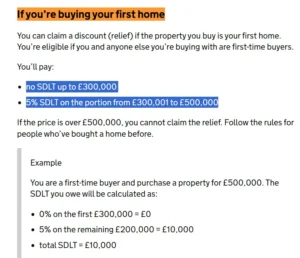
GOV.UK confirms the current Stamp Duty Land Tax thresholds and first-time buyer relief available for qualifying purchases in England and Northern Ireland.
Hidden Costs to Consider Before Buying
Even if major renovations are unnecessary, several additional expenses can affect affordability.
- Conveyancing Fees: Legal costs associated with transferring ownership.
- Mortgage Fees: Arrangement, valuation or broker fees, depending on the lender and product.
- Survey Costs: Independent assessments of the property’s condition.
- Buildings Insurance: Protection against covered damage to the property.
- Maintenance Expenses: Repairs and replacement of equipment after completion.
- Service Charges: Contributions towards shared building services and maintenance where applicable.
- Management Fees: Charges for professional property management if purchased as an investment.
Buyers considering flats should investigate ground rent and service charges in the UK because recurring costs can materially affect affordability and investment returns.
A completed interior should never be treated as proof that a property will be inexpensive to maintain.
How to Buy a Turnkey Property in the UK?
Purchasing a turnkey home generally follows the same legal process as buying other residential properties. The main difference is that buyers may have fewer renovations to arrange after completion.
Step 1: Establish Your Budget
Calculate how much you can afford, including your deposit, mortgage repayments, taxes, surveys and moving expenses.
Step 2: Research Suitable Properties
Compare turnkey developments, refurbished homes and similar properties requiring work. Consider local amenities, transport links, property condition and neighbourhood demand.
Step 3: Arrange Viewings
Inspect the property carefully and ask for details about renovations, included fittings and any warranties.
Step 4: Make An Offer
Submit an offer based on comparable property values and the results of your initial checks.
Step 5: Arrange Finance And Legal Representation
Apply for the appropriate mortgage and appoint an independent solicitor or conveyancer. Understanding how to buy a house in the UK helps buyers prepare for the necessary checks and paperwork.
Step 6: Complete Surveys And Searches
Commission an appropriate property survey and allow your conveyancer to investigate ownership, planning matters, local searches and relevant documentation.
Step 7: Exchange Contracts And Complete
Once the required checks and finance are in place, the parties can proceed to the legally applicable contract and completion stages.
The time between making an offer and completing a house purchase varies depending on mortgage approval, searches, property chains and legal enquiries.
Although the property may be ready to occupy, that does not guarantee a faster legal transaction.
Who Should Consider Buying a Turnkey Property?
Turnkey properties can appeal to several groups of buyers.
First-Time Buyers
People purchasing their first home may appreciate a property requiring little immediate work, especially when finances are already stretched by a deposit and moving costs.
Busy Professionals
Buyers with demanding work schedules may prefer avoiding the time and disruption associated with major renovations.
Families Relocating
Families moving for employment or education may benefit from a home that is ready to occupy without an extended refurbishment period.
Downsizers
People moving into a smaller home may prioritise modern facilities, convenient layouts and reduced initial maintenance.
Property Investors
Landlords may prefer rental-ready properties to reduce preparation work before marketing them to tenants.
Overseas Buyers
Buyers living outside the UK may find a completed property more convenient, although independent inspections and local professional advice remain important.
The best option depends on the buyer’s budget, ownership objectives, willingness to renovate and expected length of ownership.
What Should You Check Before Buying a Turnkey Property?
A turnkey label should never replace independent due diligence. Buyers need to establish whether the property is genuinely ready for occupation and whether its condition justifies the asking price.
Important checks include:
- Independent Property Survey: Arrange a suitable survey to identify possible structural defects, damp and maintenance issues.
- Renovation Documentation: Ask for relevant building regulation approvals, planning permissions and completion certificates.
- Electrical And Gas Safety: Check relevant reports, installations and maintenance records.
- Energy Performance Certificate: Review the property’s energy efficiency and potential running costs.
- Fixtures And Fittings: Confirm which appliances, furnishings and permanent fittings are included.
- New-Build Warranties: Verify warranty coverage, exclusions and the process for reporting defects.
- Leasehold Conditions: Investigate remaining lease length, service charges, restrictions and planned major works where applicable.
- Local Market Value: Compare recently sold properties with similar characteristics before agreeing to the price.
The UK government’s homebuying guidance makes an important distinction between mortgage valuations and independent surveys.
A lender’s valuation assesses the property for mortgage purposes and does not provide the same protection as a survey of its condition. This is especially relevant for refurbished properties where cosmetic improvements might conceal defects.
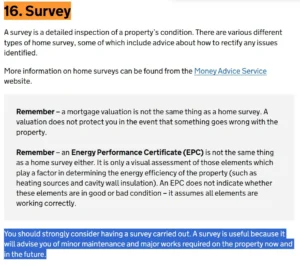
The government’s How to Buy guidance explains why a mortgage valuation and an Energy Performance Certificate are not substitutes for a home survey.
Before making an offer, preparing a list of questions to ask when viewing a house can also help uncover problems that are not immediately visible.
Common Red Flags to Watch Out For
Certain warning signs deserve closer investigation:
- Unusually High Asking Price: The seller cannot justify the premium compared with similar properties.
- Missing Renovation Records: Relevant certificates, permissions or warranties are unavailable.
- Signs Of Damp Or Water Damage: Fresh paint, staining or persistent moisture suggests further inspection may be necessary.
- Poor Workmanship: Uneven flooring, badly fitted units or unfinished details raise concerns about renovation quality.
- Unclear Purchase Terms: The seller cannot confirm what is included or which work remains unfinished.
- Guaranteed Rental Returns: Investment providers promise unusually high returns without clear contractual terms or financial evidence.
Buyers should also be cautious when a seller discourages independent surveys or pressures them to exchange contracts before receiving important documents.
Are Turnkey Properties a Good Investment in the UK?
Turnkey properties can be suitable investments when the purchase price, rental demand, ongoing expenses and expected returns support the buyer’s financial objectives.
Their main appeal is convenience. A property already prepared for letting may require less refurbishment, potentially allowing landlords to advertise it sooner.
However, turnkey property investment is still a form of buy-to-let investment. Being turnkey does not guarantee stronger capital growth, higher rental yields or uninterrupted rental income.
Investors should assess:
- Rental Demand: Whether the location attracts suitable tenants.
- Purchase Price: Whether the property’s asking price reflects its actual market value.
- Mortgage Affordability: How borrowing costs affect monthly cash flow.
- Property Condition: Whether renovation quality will reduce or increase future maintenance needs.
- Rental Compliance: Whether required certificates, safety standards and tenancy arrangements are in place.
- Management Arrangements: Whether professional management is available and what services it covers.
- Exit Strategy: Whether the property could be resold without relying on optimistic future price increases.
Financing is another important consideration. Buy-to-let mortgage rates and lending criteria can differ from residential mortgage products, particularly regarding rental coverage and deposit requirements.
In England, the Renters’ Rights Act reforms introduced significant changes to private renting from 1 May 2026, including the move to assured periodic tenancies for most private renters. Buyers taking over a tenanted property must understand the applicable tenancy rights, responsibilities and possession rules.
Other UK nations have different landlord legislation.
How to Calculate Rental Yield and Investment Returns?
Rental yield helps investors compare property income against the amount invested.
Gross Rental Yield Formula:
Gross Rental Yield = (Annual Rental Income ÷ Property Purchase Price) × 100
Suppose an investor purchases a turnkey property for £200,000 and receives £1,000 monthly rent.
Annual Rental Income = £1,000 × 12 = £12,000
Gross Rental Yield = (£12,000 ÷ £200,000) × 100 = 6%
However, gross yield does not account for ongoing expenses.
| Annual Expense | Illustrative Cost |
| Gross Rental Income | £12,000 |
| Management Fees | £1,200 |
| Maintenance Allowance | £1,000 |
| Insurance | £350 |
| Vacancy Allowance | £600 |
| Service Charges | £850 |
| Net Operating Income | £8,000 |
In this example, the net operating yield is 4% of the £200,000 purchase price, before mortgage costs, tax and acquisition expenses.
The actual return could be lower depending on financing and unexpected repairs.
Professional agents can reduce day-to-day work, but property management charges must be included when calculating realistic rental profits.
Investors should also establish whether advertised rental projections are based on independent local evidence or assumptions supplied by the seller.
Which UK Locations Are Best for Turnkey Property Investment?
The best location depends on property prices, rental demand, employment opportunities, transport connections and the investor’s budget.
Several UK cities attract interest from buyers seeking ready-to-let accommodation.
Manchester
Manchester has a diverse employment market, universities and established residential rental areas. Investors may find refurbished terraces, apartments and managed developments.
Property prices and rents differ considerably between neighbourhoods, making postcode-level research important.
Liverpool
Liverpool offers a mix of city-centre apartments and traditional terraced housing. Some areas may appeal to investors seeking lower purchase prices than in more expensive UK cities.
Buyers should examine property condition, tenant demand and the sustainability of advertised rental returns.
Birmingham
Birmingham’s employment centres, universities and transport connections support a varied rental market.
Turnkey opportunities may include refurbished suburban homes and apartments, although service charges and development-specific costs require careful evaluation.
Leeds
Leeds has a substantial student and professional rental market, with investment opportunities across the city centre and surrounding residential districts.
Investors should compare the different tenant markets rather than assume citywide demand applies equally to every property.
Nottingham And Sheffield
Both cities offer established university communities and residential neighbourhoods where renovated properties may appeal to tenants.
However, student demand, local licensing requirements and property management needs can differ significantly between streets and property types.
Glasgow
Glasgow offers a variety of traditional tenements, modern flats and refurbished properties.
Investors purchasing in Scotland must account for its distinct property transaction taxes, tenancy laws and landlord registration requirements.
There is no universally best city for turnkey investment. Buyers should use recent sale prices, achievable local rents and independently verified operating costs to compare specific properties.
Conclusion
A turnkey property can provide a convenient route into homeownership or property investment by offering a home that is largely ready for immediate use.
For first-time buyers and relocating families, the main advantage is avoiding extensive renovation work. For investors, it can mean less preparation before letting and the possibility of outsourcing property management.
However, a turnkey property is not automatically a better investment or a safer purchase than a conventional home. Higher asking prices, hidden defects, financing costs and ongoing maintenance can affect its value.
The most sensible approach is to compare local market prices, arrange an independent survey, verify what is included and calculate the full cost of ownership before committing.
Frequently Asked Questions About Turnkey Properties
Is a Turnkey Property Worth Buying in the UK?
A turnkey property may be worth buying if its condition, location and overall cost suit your needs. Compare the asking price with similar homes and complete independent checks before purchasing.
Can First-Time Buyers Purchase a Turnkey Property?
Yes. First-time buyers can purchase turnkey homes, subject to normal mortgage affordability and eligibility requirements. They may particularly benefit from avoiding major immediate renovation costs.
Are Turnkey Properties More Expensive Than Traditional Homes?
Turnkey properties may cost more than comparable homes requiring refurbishment. However, the total expense of buying and renovating a cheaper property can sometimes exceed the turnkey price.
Do Turnkey Properties Come Fully Furnished?
Not always. Some include furniture and appliances, while others only provide completed interiors and essential fittings. Buyers should confirm the exact specification in writing.
Can You Get a Mortgage on a Turnkey Property?
Yes, subject to the lender’s valuation and eligibility criteria. Residential buyers normally require a suitable residential mortgage, while investors may need buy-to-let financing.
Can a Turnkey Property Have Hidden Problems?
Yes. Fresh decoration and modern fittings can conceal damp, structural defects or poor workmanship. An appropriate independent survey can help identify potential issues.
Do Turnkey Properties Guarantee Rental Income?
No. Even rental-ready properties can experience vacancies, missed payments and maintenance expenses. Any rental guarantee offered by a provider should be checked carefully before purchase.