The royal estates property energy efficiency debate has intensified after an investigation suggested King Charles III and Prince William could face costs of up to £10 million to improve hundreds of rented homes across their property portfolios.
The issue centres on rental properties belonging to the Duchy of Cornwall, Duchy of Lancaster and Sandringham estate. Many of the homes examined have Energy Performance Certificate (EPC) ratings below the standard that private landlords in England and Wales will be expected to meet from 2030.
The findings could place greater scrutiny on how historic rural estates balance conservation, tenant welfare and the growing requirement for more energy-efficient housing.
Why Could Royal Estates Face a £10 Million Energy Upgrade Bill?
An investigation reported by The Guardian examined more than 700 domestic EPC records associated with the three royal estates. It found that a substantial proportion of the properties analysed were currently rated below EPC C, creating the potential for extensive improvement work before the new private rental standard takes effect.
The estimated £10 million figure is therefore not a confirmed bill. It represents a potential cost based on the number of homes that may require upgrading and the amount landlords can be expected to invest before qualifying for certain cost-based exemptions.
Government policy confirms that privately rented homes in England and Wales are due to meet EPC C or an equivalent standard by 1 October 2030, unless a valid exemption applies. The framework includes a maximum required investment of £10,000 per property under the cost-cap provisions.
How Energy Efficient Are the Royal Estate Properties?
The properties examined varied considerably between the three estates.
| Royal estate | Findings from properties analysed | Potential issue |
| Duchy of Cornwall | Around four-fifths of EPCs examined were below C | Significant retrofit programme may be needed |
| Duchy of Lancaster | More than 90% examined were below C | Many older rental homes could require improvements |
| Sandringham | Almost all properties examined were below C | Historic rural housing presents a major retrofit challenge |
The investigation reported that the sample included more than 700 properties, with hundreds potentially failing to meet the proposed 2030 standard without further improvements or an applicable exemption.
These results should not be interpreted as meaning every property is currently being rented unlawfully. Existing minimum standards, exemptions, tenancy arrangements and the particular classification of some agricultural or historic properties can affect whether the regulations apply.
What Are the New EPC Rules for Rental Properties?
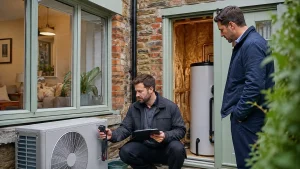
The government has confirmed plans to raise Minimum Energy Efficiency Standards for privately rented homes in England and Wales.
Under the current policy direction, new and existing private rental properties will generally need to achieve EPC C or equivalent by 1 October 2030, unless an exemption applies. The reformed system is intended to place greater emphasis on the building’s fabric alongside heating systems and smart-readiness measures.
The government has also confirmed a £10,000 maximum investment requirement per property within the new framework. Where qualifying improvements have been made but the property cannot reach the required standard within the cost cap, an exemption may be available subject to the rules and evidence requirements.
Maximum financial penalties for breaches of the private rented sector energy-efficiency regulations are also planned to increase to £30,000 per property for each breach.
For ordinary landlords as well as major estates, measures such as insulation, heating upgrades, improved glazing and renewable technology may help improve an EPC rating before tighter standards take effect.
Why Are Historic Royal Properties Harder to Upgrade?
Many homes within traditional landed estates are fundamentally different from modern housing developments.
Older rural properties can have solid walls, unusual construction materials, limited insulation and heating systems that rely on oil or other fuels. Alterations may also need to respect historic characteristics, while some properties may have planning or heritage constraints.
That makes achieving modern energy standards more complicated than simply replacing a boiler or adding loft insulation.
The Duchy of Cornwall has acknowledged the particular challenges created by a portfolio containing historic buildings in remote rural and island locations. It says it has begun addressing these issues through a retrofit programme.
Government policy also recognises that certain historic, mixed-use or unusually expensive-to-upgrade buildings may require specific exemptions or alternative treatment.
What Is the Duchy of Cornwall Doing About Energy Efficiency?
The Duchy of Cornwall has already set substantial environmental targets.
Its 2025 impact report stated that it was working towards becoming a net-zero estate by the end of 2032. Property improvement projects during that reporting period included measures such as solar panels, air-source heat pumps and electric vehicle charging infrastructure.
In June 2026, the Duchy announced a wider £500 million investment programme over the next decade, covering housing, renewable energy, nature recovery and long-term estate resilience. It also reported £5.5 million of environmental investment during the latest financial year.
According to the Guardian investigation, the Duchy has separately indicated that an additional £50 million is planned for improving the condition and efficiency of existing properties.
This suggests the estate’s response is likely to involve a much broader long-term refurbishment programme rather than improvements being undertaken solely to satisfy the 2030 rental rules.
Could Sandringham and the Duchy of Lancaster Also Need Major Work?
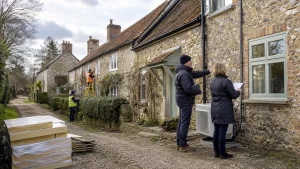
Yes. The investigation suggests both portfolios could face substantial retrofit requirements if the homes examined are representative of their wider rental stock.
The Duchy of Lancaster said it had invested more than £3 million in residential repairs and upgrades during the previous year and was continuing to work on improving EPC ratings, including at historic properties.
Sandringham similarly said it operates an ongoing programme of maintenance and energy-efficiency improvements and that not every property is covered by the same regulatory requirements.
The final financial impact will therefore depend on the condition of individual properties, the improvements required and which homes qualify for exemptions.
What Could the Royal Estates Case Mean for Other UK Landlords?
The royal estates are unusually large and contain many historic rural properties, but the underlying problem is relevant to thousands of private landlords.
A landlord with an EPC D or E property may need to start considering what improvements could be necessary before 2030. Waiting until the deadline approaches could increase pressure on contractors, financing and property-management schedules.
The government’s 2030 policy is designed partly to reduce household energy costs and fuel poverty while improving the energy performance of the country’s rental housing stock.
For landlords with older buildings, the most important consideration will be identifying improvements appropriate to the particular property rather than assuming every home requires the same retrofit package.
Will Every Royal Rental Property Have to Reach EPC C?
Not necessarily.
Government policy provides for exemptions where particular requirements are met, including circumstances involving excessive improvement costs or properties where appropriate works cannot reasonably achieve the required standard. The precise position can depend on the building, tenancy and applicable regulations.
Historic and agricultural properties can be particularly complicated.
That means the reported number of royal properties currently below EPC C should not automatically be treated as the number that will have to receive £10,000 of improvements.
The eventual cost could be lower or higher depending on the properties covered, retrofit costs, future EPC assessments and exemptions.
What Happens Next for Royal Estates Property Energy Efficiency?
The coming years are likely to bring a significant programme of surveys, insulation work, heating upgrades and broader refurbishment across Britain’s older rental housing.
For the royal estates, the scale of their historic property portfolios makes that transition particularly visible. The reported potential £10 million cost illustrates how expensive improving older housing stock can become when hundreds of properties are involved.
At the same time, the Duchy of Cornwall’s wider environmental investment shows that major estate owners are increasingly incorporating energy efficiency, renewable energy and long-term carbon reduction into property management.
The biggest question is therefore not simply whether King Charles and Prince William will receive a £10 million bill. It is how quickly their estates can bring older rental homes towards modern energy standards while dealing with the practical limitations of historic and rural buildings.
With the private rental EPC deadline set for 1 October 2030, energy performance is likely to become an increasingly important property-management issue for royal estates and private landlords alike.
Conclusion
The royal estates property energy efficiency challenge highlights the wider difficulty of upgrading historic and rural homes to modern standards.
With hundreds of properties potentially requiring improvements before the 2030 EPC deadline, the cost could be substantial.
However, ongoing investment by the Duchy of Cornwall, Duchy of Lancaster and Sandringham suggests energy performance is becoming a greater priority.
The coming years will show how effectively these estates can balance heritage conservation, tenant needs, regulatory compliance and long-term sustainability.
Frequently Asked Questions
How much could the royal estates spend on energy upgrades?
The estimated cost could reach around £10 million, although the final figure will depend on individual property requirements, exemptions and the work completed.
Which royal property portfolios are affected?
The investigation focused on rental homes connected with the Duchy of Cornwall, Duchy of Lancaster and Sandringham estate.
When does the new rental energy standard take effect?
Private rented homes in England and Wales are generally expected to meet EPC C or an equivalent standard by 1 October 2030, subject to exemptions.
Why do older royal properties have lower EPC ratings?
Many are historic or rural buildings with solid walls, older heating systems and construction features that make energy-efficiency improvements more complicated.
What improvements can raise a property’s energy performance?
Typical measures can include insulation, better glazing, heating-system upgrades, heat pumps, solar panels and other improvements suited to the individual building.
Are landlords required to spend unlimited amounts on upgrades?
No. The government’s planned framework includes a £10,000 cost cap per property, with exemptions potentially available where qualifying conditions are met.
Could energy improvements reduce tenants’ household bills?
Better insulation and more efficient heating can reduce the amount of energy needed to keep a home comfortable, potentially lowering energy costs for tenants.