Housing Benefit is a vital support system for many UK residents struggling with rent payments. However, one of the most frequently asked questions is: Is housing benefit paid in arrears or advance? Understanding the timing and rules behind these payments is essential for tenants, landlords, and anyone navigating the UK housing system.
What Does It Mean When Housing Benefit Is Paid In Arrears?

When housing benefit is paid in arrears, it means the payment is made after the rental period it covers has ended.
For example, if you rent your property on a weekly basis, housing benefit will typically be issued every four weeks, covering the previous four weeks of tenancy.
This system ensures the benefit reflects the claimant’s most up-to-date circumstances. Payments made in advance, by contrast, would prepay for future housing costs. In the UK, the default structure for housing benefit is arrears-based.
Is Housing Benefit Paid in Arrears?
Yes, Housing Benefit is generally paid in arrears in the UK. This means the payment is made after the rental period it covers, not before. For example, if you are eligible for four weeks of rent support, you will typically receive the payment at the end of those four weeks rather than at the beginning.
The arrears-based system applies across most tenancy types:
- Private tenants: Usually receive payments into their own bank account monthly or four-weekly, after the rental period has ended.
- Council and housing association tenants: Often receive housing benefit weekly or every four weeks, also in arrears.
- Landlord payments: When benefit is paid directly to the landlord, especially in supported housing or if the tenant is vulnerable, payments are still usually made four weeks in arrears.
Why Is Housing Benefit Paid In Arrears?
The system is designed to:
- Ensure accuracy: It allows local councils to confirm continued eligibility throughout the claim period before issuing payments.
- Prevent overpayments: By verifying tenant status before each payment, councils reduce the risk of paying incorrect amounts.
- Streamline accounting: For both councils and landlords, arrears-based payments are easier to reconcile with rent periods.
Who Receives The Housing Benefit Payments? – Tenant Or Landlord
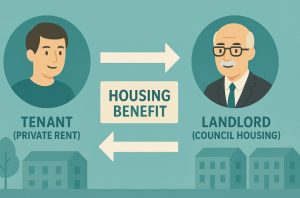
Housing benefit may be paid either to the tenant or directly to the landlord, depending on several factors including tenancy type and the claimant’s personal circumstances.
Typically, payments are made to the tenant when:
- They rent privately
- There is no significant rent arrears
- No safeguarding concerns exist
However, payments can be made directly to the landlord if:
- The tenant is in council or housing association
- The tenant has a registered or ‘fair’ rent
- The tenancy began before January 1989
- The tenant is in supported housing or a hostel
- The tenant has continuously claimed housing benefit since before April 2008
In private tenancies, direct payments to landlords may be arranged if the tenant is vulnerable or has significant rent arrears. This system provides some security for landlords while protecting the tenant’s welfare.
How Often Is Housing Benefit Paid In The UK?
Housing benefit is generally paid on a weekly, four-weekly, or monthly basis depending on the tenancy arrangement. The frequency of payment usually matches the rental frequency.
- Weekly rent: Housing benefit is paid every four weeks
- Monthly rent: Benefit is issued monthly
- Council tenants: Often receive weekly or fortnightly payments
- Supported housing residents: Typically receive weekly benefit payments
Regardless of frequency, housing benefit is almost always paid in arrears. The payment schedule is intended to align with actual tenancy periods and reduce administrative discrepancies.
What Happens If You’re Overpaid Or Underpaid Housing Benefit
Errors or changes in a claimant’s circumstances can result in either overpayments or underpayments of housing benefit. It is important to understand how these situations are handled, what actions claimants must take, and the implications of not addressing them promptly.
Overpayment Of Housing Benefit
An overpayment occurs when a claimant receives more housing benefit than they are entitled to. This can happen for several reasons, including:
- A change in income or employment status
- Moving house or a change in tenancy details
- A partner or household member moving in or out
- Receiving other benefits that affect entitlement
- Delays in reporting changes to the local authority
When an overpayment is identified, the local council will usually take steps to recover the excess funds. This may involve:
- Reducing future housing benefit payments: The council may deduct a set amount from each subsequent payment until the overpaid sum is fully recovered.
- Sending an invoice: In some cases, especially if the benefit claim has ended, the council may issue a bill requesting repayment directly.
- Withholding other benefits: If the overpayment is substantial or not repaid, the Department for Work and Pensions (DWP) may recover the amount from other benefits the claimant receives.
- Taking legal action: As a last resort, the council may initiate legal proceedings to recover the debt.
If the overpayment was due to an error on the part of the council and the claimant could not reasonably have known they were being overpaid, they may not be required to repay the full amount. Claimants can also challenge recovery decisions through a formal appeal process.
Underpayment Of Housing Benefit
An underpayment means that the claimant has received less than they were entitled to during a specific period. This may happen when:
- A change in circumstances that increases entitlement is reported late
- Administrative errors occur within the local authority
- There are delays in processing updates to an existing claim
- The original application was assessed with incorrect or incomplete information
When an underpayment is identified, the local council will typically issue a backdated payment to make up the shortfall. This is often done as a lump sum, either transferred directly to the claimant’s bank account or sent to the landlord if they receive the benefit directly.
To avoid underpayments, claimants should ensure they:
- Report all changes in income, household size, and tenancy details promptly
- Respond quickly to any letters or forms from the local council
- Keep copies of all correspondence and evidence submitted
If a claimant believes they have been underpaid, they should contact the housing benefit team at their local council. The council may conduct a review of the claim and recalculate entitlement based on updated information.
Appeals And Disputes
Whether the issue is an overpayment or underpayment, claimants have the right to:
- Request a written explanation of how the calculation was made
- Ask for a reconsideration if they believe the decision is wrong
- Submit a formal appeal to an independent tribunal
Appeals must typically be made within one month of receiving the decision letter. It’s important to include all supporting evidence and clearly state the reason for the appeal.
Preventing Payment Errors
To minimise the risk of both overpayments and underpayments, claimants should:
- Inform the council of any changes as soon as they occur
- Review housing benefit award letters carefully
- Double-check that payments match expected amounts
- Maintain open communication with their landlord if benefit is paid directly to them
Accurate and timely reporting is key to ensuring housing benefit reflects a claimant’s true circumstances, thereby reducing the risk of financial difficulty caused by incorrect payments.
Can Your Bank Use Housing Benefit Payments To Repay Debts?
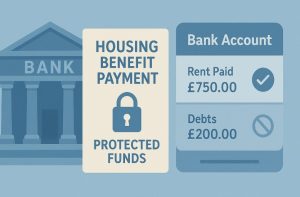
Banks are not legally permitted to seize housing benefit payments to cover overdrafts or other debts. However, claimants may take further steps to safeguard their benefit payments.
The ‘first right of appropriation’ allows a claimant to instruct their bank to use incoming funds specifically for rent payments. This must be done in writing and ideally before the payment is due.
Example instruction:
“I am using my first right of appropriation to ensure that housing benefit payments are reserved for rent purposes and not used to clear any debts or overdrafts.”
This does not prevent the bank from processing direct debits, but it reinforces the claimant’s right to control how their income is used. It may help avoid missed rent payments or conflicts with landlords.
Can Housing Benefit Be Backdated If You Apply Late
Housing benefit can be backdated if a claimant did not apply in time but meets specific eligibility criteria.
Working-age claimants may have their claim backdated up to one month from the date of application. To qualify, the claimant must show a valid reason for the delay such as:
- Illness
- Bereavement
- Language barriers
- Personal crisis
Pension-age claimants have more lenient rules. Claims can be backdated for up to three months automatically without the need to provide justification. However, the claimant must still meet eligibility requirements during the backdated period.
Backdating requests must usually be made on the housing benefit application form and supported with relevant documentation if required.
What Is The Difference Between Housing Benefit And Universal Credit Housing Element?
The UK benefits system has transitioned many claimants from traditional housing benefit to Universal Credit. Understanding the distinction is key to managing housing support.
| Feature | Housing Benefit | Universal Credit Housing Element |
| Administered By | Local Authority | Department for Work and Pensions (DWP) |
| Payment Frequency | Weekly or Four-weekly | Monthly |
| Direct Payment To Landlord | Common and flexible | Only under specific conditions |
| Eligibility | Legacy system, limited new claims | New benefit claims and ongoing cases |
| Structure | Separate benefit | Included in a single monthly payment |
While both cover housing costs, Universal Credit combines multiple benefits into one payment. The housing element is paid monthly and often directly to the claimant, who must then manage rent payments themselves.
Are There Exceptions To The Arrears Rule For Housing Benefit?
While arrears payments are standard, there are exceptions where the housing benefit system accommodates specific circumstances.
These exceptions include:
- Supported housing: Rent support is often paid weekly and may go directly to landlords
- Tenancies before 1989: These arrangements may follow different rules due to historical rent regulations
- Non-standard housing: Residents in caravans, houseboats, or hostels often receive payments more frequently
These cases are managed on an individual basis and subject to local council discretion. Tenants in these categories should consult their housing officer or benefits adviser to confirm the terms.
How Does Rent Frequency Impact Housing Benefit Payment Schedule?
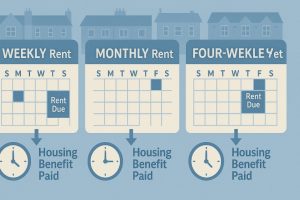
The timing of housing benefit payments is closely tied to how often the tenant is required to pay rent.
| Rent Frequency | Housing Benefit Payment Timing | Typical Beneficiary Type |
| Weekly | Every four weeks in arrears | Council or supported housing tenants |
| Monthly | Monthly in arrears | Private tenants |
| Daily or Flexible | Weekly or four-weekly | Hostel or temporary accommodation |
Local councils typically align benefit payments with rent schedules to minimise the risk of arrears. However, processing times may still result in brief gaps between rent due dates and benefit disbursement.
Can Housing Benefit Be Paid Directly Into A Landlord’s Account?
Direct payments to landlords are permitted in several circumstances and are sometimes preferred to reduce the administrative burden on tenants and ensure prompt rent payment.
Direct payments may be arranged when:
- The tenant is in rent arrears of eight weeks or more
- The tenant consents in writing
- The tenant is considered vulnerable by the local authority
Tenants or landlords can request this arrangement through a formal application. The council may also make the decision independently if it believes doing so is in the tenant’s best interest.
Frequently Asked Questions
How do I know when my next housing benefit payment is due?
You can check your local authority’s online portal or contact their benefits office directly. Many councils send notifications or have online calendars.
What should I do if my housing benefit doesn’t arrive?
First, verify your payment schedule. Then contact your local council immediately to report any delays or changes in circumstances.
Is housing benefit always paid after rent is due?
Yes, in almost all cases, housing benefit is paid in arrears after the period it covers has passed.
Can I ask my landlord to receive my housing benefit directly?
Yes, under specific conditions such as arrears or vulnerability, you can request that housing benefit is paid straight to your landlord.
Do housing benefit rules differ between local councils?
While the basic rules are consistent, administration and processing times may vary by council.
What if my landlord increases the rent will housing benefit cover it?
Not automatically. You’ll need to inform your local council, and they will assess whether the increase is eligible for higher benefit.
Is housing benefit paid differently if I’m on Universal Credit?
Yes. Under Universal Credit, the housing element is part of a single monthly payment and may not align with traditional housing benefit schedules.