As colder months approach, British Gas is urging UK households to prepare their heating systems in advance to avoid costly winter breakdowns.
Last year alone, over a million customers required emergency boiler repairs, many of which could have been prevented with early checks.
With temperatures soon to drop, ensuring your boiler and central heating are in top condition is essential.
This guide outlines the key steps every household should take to stay warm, safe, and energy-efficient this winter.
Why Is British Gas Urging Households To Prepare Now For Winter?

British Gas is alerting UK households to take immediate action before the colder months set in. Their data reveals that over 1.2 million homes required boiler repairs during last winter alone.
This high number reflects how unprepared many households are when cold weather arrives.
Most heating systems lie dormant throughout spring and summer. When suddenly switched on during the first cold snap, issues like airlocks, frozen pipes, or malfunctioning thermostats are common.
British Gas engineers observe a yearly surge in emergency callouts when temperatures begin to fall.
This call to action isn’t just about staying warm. It’s also about avoiding costly, urgent repairs that can be prevented with early intervention.
What Happens If You Delay Checking Your Boiler Before Winter?
Waiting until the last minute can lead to a number of complications. Boilers that have not been used or maintained in months are more susceptible to issues when restarted under pressure. These problems range from cold radiators to complete boiler failure.
Homeowners may find themselves without heat at the worst possible time, as heating engineers often face high demand during freezing periods.
Emergency appointments become harder to secure and typically cost more due to urgency and seasonal premiums.
In addition to the inconvenience, poor system performance means energy is wasted. A boiler operating inefficiently can raise energy bills significantly during peak usage months.
What Are The 10 Essential Checks British Gas Recommends Before Winter?
British Gas has issued a checklist of 10 essential actions that UK households should complete before winter to avoid heating system breakdowns, reduce energy bills, and improve home comfort.
These checks are based on the most common issues their engineers encounter when winter arrives.
Each task is designed to be simple and can usually be done without professional help, although some like a full boiler service are best left to qualified technicians.
Here is a detailed breakdown of each recommendation:
1. Bleed Your Radiators
Radiators can develop air pockets over time, especially if they haven’t been used for months. These air bubbles prevent hot water from circulating properly, leaving the top of the radiator cold while the bottom remains warm.
Bleeding your radiators removes this trapped air and restores full heating efficiency.
Steps:
- Use a radiator key to slowly release air from the valve at the top
- Keep a cloth or container underneath to catch any water drips
- Once water starts flowing steadily, the radiator is fully bled
Doing this improves heat output and helps your boiler operate more efficiently, reducing energy consumption.
2. Seal Up Draughts
Even a small draught can significantly impact your home’s ability to retain warmth. British Gas recommends checking for gaps around doors, windows, letterboxes, and even keyholes.
Solutions include:
- Foam draught strips for windows and doors
- Letterbox brushes and keyhole covers
- Draught excluders for internal doors
Sealing these gaps helps prevent heat loss and reduces the strain on your heating system.
3. Rearrange Furniture Away From Radiators
Blocking radiators with furniture such as sofas, beds, or cabinets restricts the circulation of warm air around a room.
This not only wastes heat but also leads to uneven temperatures across your home.
Make sure:
- There’s a clear path around every radiator
- Furniture is placed at least a few inches away from heat sources
This adjustment alone can improve the effectiveness of your central heating without using any additional energy.
4. Use Zonal Heating Wisely
Heating your entire home at once is often unnecessary, especially if certain rooms are rarely used.
British Gas advises setting up zonal heating controls or manually turning off radiators in unused spaces.
Key benefits:
- Concentrates heat where it’s needed
- Saves money by not heating empty rooms
- Allows custom temperature settings for different areas
Closing doors to these rooms also helps keep warm air in and cold air out of living spaces.
5. Insulate Exposed Pipes
Exposed pipes particularly those in lofts, basements, or external walls—are vulnerable to freezing.
When water inside these pipes freezes, it expands, which can cause the pipes to crack or burst.
Pipe insulation (also known as lagging):
- Is inexpensive and easy to install
- Prevents freezing during sudden cold snaps
- Reduces heat loss as water travels to your radiators or taps
You can purchase foam insulation tubes from any DIY store and fit them over pipes within minutes.
6. Set Your Thermostat Between 18°C and 21°C
Setting the correct temperature on your thermostat is essential. British Gas recommends maintaining a temperature between 18°C and 21°C during colder months. This range offers a balance between comfort and energy efficiency.
Lowering the thermostat by just one degree can save an average household up to £75 per year on energy bills.
Top tip:
- Avoid constantly adjusting the thermostat
- Set a consistent temperature and let the system maintain it
7. Schedule Your Heating
Using your boiler’s timer function is a smart way to save energy. Many people leave their heating on continuously or switch it on manually when it gets cold. This leads to unnecessary heating and higher bills.
British Gas suggests:
- Setting the heating to come on 30 minutes before waking
- Programming it to turn off 30 minutes before bedtime
- Adjusting schedules for weekends and workdays
Programming heating for when you actually need it improves efficiency and keeps your home warm without wastage.
8. Install A Smart Thermostat
Smart thermostats like Hive, Nest, or Tado provide greater control over your home’s heating. They allow you to:
- Adjust heating remotely via an app
- Set heating zones for different rooms
- Schedule temperature changes based on your routine
According to British Gas, installing a smart thermostat can save households up to £175 annually.
These devices also learn from your habits over time, optimising heating patterns without constant manual input.
9. Book A Professional Boiler Service
One of the most critical steps on the checklist is to have your boiler serviced by a qualified engineer. This inspection includes:
- Checking for faults, leaks, or wear
- Ensuring the system is running safely
- Cleaning internal components
- Verifying that emissions are within safe limits
A serviced boiler runs more efficiently and is less likely to fail in the middle of winter. It also keeps warranties valid and provides peace of mind.
British Gas offers same-day engineer visits if booked before 11am, though availability tightens as demand rises closer to winter.
10. Check If You’re Eligible For Support
The British Gas Energy Trust offers financial and practical assistance to households struggling with energy costs. This support is available even to non-British Gas customers.
Support options include:
- Grants up to £1,700
- Energy efficiency advice
- Bill payment help
- Funding for essential home improvements
Homeowners and tenants should visit the Trust’s website to check their eligibility and apply before winter pressures build.
How Can You Reduce Heating Bills While Staying Warm?
Efficient energy use is central to British Gas’s recommendations. Homeowners can stay comfortable while cutting costs by applying a few strategic measures.
- Lower the thermostat by just one degree to potentially save up to £75 per year
- Install a smart thermostat to better control heat distribution and avoid overheating unused rooms
- Utilise zonal heating by switching off radiators in spare rooms or areas not frequently used
- Ensure curtains are closed in the evenings to retain heat
The use of smart technology has become one of the most effective ways to reduce heating bills.
Devices like Hive allow room-by-room control, remote scheduling, and learning-based heating preferences, which can reduce energy usage by up to £175 per year.
Is A Boiler Service Really Worth It Before Winter Hits?
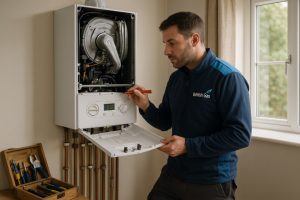
Annual boiler servicing is more than a formality. It ensures that the system is functioning properly, safely, and efficiently.
Skipping this step can result in costly breakdowns and even dangerous situations if faults go undetected.
Servicing includes:
- Inspecting internal components for wear and tear
- Testing pressure levels and safety valves
- Checking for gas leaks or carbon monoxide risks
- Ensuring water flow and radiator temperatures are consistent
A professional service also preserves the boiler’s warranty, which may be invalidated if annual checks are missed.
By booking a service in early autumn, homeowners avoid the seasonal rush and ensure their heating system is prepared well before winter begins.
What Heating System Mistakes Do Homeowners Often Make?
While most homeowners are diligent about using their heating systems, many unknowingly make mistakes that affect performance and energy efficiency.
| Common Mistake | Impact |
| Blocking radiators with furniture | Prevents warm air from circulating effectively |
| Ignoring cold radiators | Indicates trapped air or flow issues |
| Leaving pipes uninsulated | Risk of freezing and water damage |
| Using incorrect thermostat settings | Leads to higher bills and unnecessary energy use |
| Failing to check radiator valves | May result in uneven heating or inefficiency |
These issues are easy to overlook but can be fixed with simple changes around the home.
Are There Any Support Schemes Available From British Gas?
British Gas operates the British Gas Energy Trust, a charitable scheme offering help to households struggling with energy costs. Support is not limited to British Gas customers, making the scheme widely accessible across the UK.
Available support includes:
- Grants of up to £1,700 for energy debt relief
- Financial advice and energy-saving consultations
- Home insulation or heating system improvements
- Assistance for vulnerable or low-income households
To access this support, individuals can apply online and are required to provide basic financial documentation to confirm eligibility.
How Can Simple Home Adjustments Help Winter-Proof Your Property?
Making small changes throughout your home can significantly increase its ability to retain warmth and use energy more efficiently. These changes often cost very little and don’t require professional installation.
Some effective home improvements include:
- Using thick curtains to prevent window draughts
- Laying rugs on bare floors to stop heat escaping through the ground
- Installing draught excluders on doors and letterboxes
- Keeping internal doors closed to retain warmth in rooms that are being heated
- Placing reflective panels behind radiators to push heat back into the room
These physical adjustments enhance the efficiency of your heating system and contribute to overall comfort during the coldest months.
When Should UK Households Ideally Turn On Their Heating?

British Gas suggests that homeowners consider switching on their heating after four consecutive days where temperatures fall below 9°C. This usually occurs in late October and signals the onset of sustained cold weather.
Turning on the heating before this point allows households to test the system and address any problems that may have developed during the summer.
Running the boiler occasionally in early autumn helps prevent stagnation, lubricates internal parts, and ensures all radiators are working correctly.
Scheduling heating to activate just before wake-up and shut off shortly before bedtime also enhances comfort without overconsumption.
Early testing ensures there’s time to make repairs or book services before demand for engineers increases.
What Is The Long-Term Benefit Of Preparing Heating Systems Now?
Early preparation results in fewer emergency situations, lower maintenance costs, and increased system lifespan.
Boilers that are regularly serviced and efficiently used are less likely to break down during peak demand and can function optimally for years longer than neglected systems.
Key benefits of early winter preparation include:
- Extended boiler lifespan
- Reduced risk of unexpected failures
- Improved energy efficiency
- Decreased heating costs over time
- Greater comfort during periods of extreme cold
Households that take proactive steps can avoid the stress and discomfort experienced by many who wait until the last minute.
Conclusion
British Gas has made it clear: the time to prepare is now. With over a million emergency callouts last winter alone, the risk of boiler failure is not something to ignore.
By following their 10-point checklist, booking a boiler service, and making small adjustments around the house, UK households can stay warm, avoid costly surprises, and enjoy peace of mind throughout the colder months.
Frequently Asked Questions
How often should a boiler be serviced in the UK?
A boiler should be serviced annually to ensure it is safe and functioning efficiently. Regular servicing also helps maintain the manufacturer’s warranty.
Can bleeding radiators really improve heating efficiency?
Yes. Bleeding radiators removes trapped air, allowing hot water to circulate fully, which improves heat output and system efficiency.
What is the ideal temperature setting for UK homes in winter?
British Gas recommends setting the thermostat between 18°C and 21°C for comfort and energy savings during winter.
Are smart thermostats worth the investment?
Smart thermostats like Hive offer precise control and scheduling options, often resulting in savings of up to £175 annually on energy bills.
What are the signs of boiler problems before winter?
Common signs include strange noises, low pressure, cold radiators, and a yellow flame instead of blue. Any of these indicate a need for servicing.
Is financial support available for non-British Gas customers?
Yes. The British Gas Energy Trust offers grants and advice to anyone in need, regardless of their energy provider.
Can pipe insulation really prevent winter heating issues?
Absolutely. Insulating pipes reduces the risk of freezing and bursting during cold spells, a common cause of winter boiler failures.