Stonegate Pub Partners is facing growing scrutiny after current and former pub tenants alleged they suffered financial pressure, problems over repairs, difficult debt recovery processes and poor treatment while operating tied pubs.
The concerns have now moved beyond individual complaints. The Pubs Code Adjudicator (PCA) launched a formal investigation into Stonegate Group on 15 July 2026, saying it had reasonable grounds to suspect the company may have failed to comply with parts of the statutory Pubs Code.
Stonegate operates more than 3,000 tenanted and leased pubs across England and Wales, making it the UK’s largest regulated pub-owning business. The company has said it is cooperating fully with the regulator and argues that individual complaints do not reflect the experience across its wider estate.
Importantly, the investigation does not mean that Stonegate has been found guilty of breaching the Pubs Code. The PCA has explicitly said that it has not yet reached a conclusion about whether breaches occurred.
Why Is Stonegate Pub Partners Under Investigation?
The PCA investigation covers Stonegate’s conduct between 15 July 2021 and 14 July 2026.
Regulators are examining whether tied tenants and prospective tenants received the accurate, transparent information required under the Pubs Code before and during their agreements.
Areas under investigation include:
- Information about the condition of pub premises before agreements were signed.
- Maintenance, repair and improvement obligations.
- Financial forecasts and proposed rents.
- Information provided during rent negotiations.
- Whether prospective tenants had sustainable business plans.
- The conduct of Business Development Managers.
- Whether tenants were treated fairly throughout their agreements.
The regulator will also consider whether any problems identified were isolated incidents or evidence of wider practices within Stonegate’s tenanted estate.
The PCA’s original call for evidence closed on 12 August 2026, with evidence submitted by current and former Stonegate tenants now being considered as part of the investigation.
What Have Stonegate Pub Tenants Alleged?
The allegations reported by The Guardian involve several different areas of the landlord-tenant relationship, including repairs, tenancy exits, debt recovery and the financial obligations attached to tied pub agreements.
More than 10 landlords reportedly spoke to the newspaper about their experiences, although some said they could not discuss their cases fully because of confidentiality agreements.
The accounts remain allegations and individual experiences rather than regulatory findings. However, they have increased attention on how the tied pub system operates and whether tenants receive sufficient protection when their personal or financial circumstances deteriorate.
Concerns Over Tenancy Exit and Debt
One of the cases involves a Basingstoke publican known as Phil, who operated Laarsen’s after transforming the premises into a successful football-focused pub.
His daughter, Melissa Phillips, said her father later developed Alzheimer’s and became increasingly unable to manage the financial responsibilities of the business.
She alleges Stonegate was aware of his condition from 2022 but that the process of releasing him from his tenancy was not completed until 2024.
As part of the eventual exit, Stonegate reportedly said he was responsible for £89,500 in dilapidations, in addition to rent and other trading debt. His daughter has argued that some of those liabilities accumulated after the company knew he was struggling to make financial decisions.
The allegations have not been established as breaches of the Pubs Code, and Stonegate disputes the wider suggestion that such individual cases represent how it treats its tenants generally.
Debt Recovery Has Also Come Under Scrutiny
Another former Stonegate tenant told The Guardian that he and his wife faced continued debt recovery action after closing pubs in Chester-le-Street and Gateshead when his wife developed cancer.
The former tenant said bailiffs were instructed to attend their home and argued that enforcement action risked interfering with his wife’s care.
Stonegate is understood to have considered recovery action necessary after attempts to recover approximately £77,000 were unsuccessful.
The case highlights one of the wider questions surrounding tied tenancies: how pub companies should balance legitimate commercial debt recovery with the circumstances facing individual publicans.
What Are Tenants Saying About Pub Repairs?
Repairs are one of the most significant areas being examined by the PCA.
Tied tenancy agreements can divide responsibility for maintenance between the pub-owning business and the tenant. Disagreements can therefore arise over what work must be completed, who must pay for it and whether tenants were properly informed about the condition of a building before taking it on.
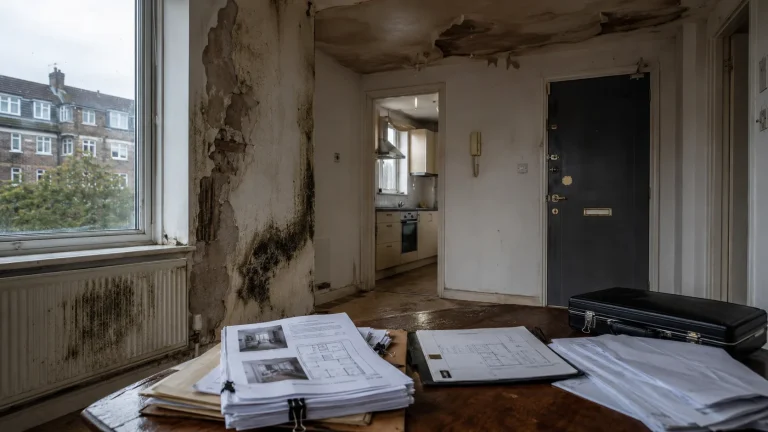
Former Museum Street Tavern tenant Richard Martin alleged that delays in repairs to the accommodation connected to his York pub resulted in his family being exposed to black mould during the winter.
The PCA has independently identified repairs as an area of concern among Stonegate tenants. When announcing its investigation, Pubs Code Adjudicator Fiona Dickie specifically highlighted concerns surrounding repairs to pub premises.
How Does a Tied Pub Tenancy Work?

The controversy also draws attention to the wider tied pub model.
Under a typical tied agreement, an independent publican rents a pub from a pub-owning company. In return for certain financial or business benefits, the tenant may be required to purchase beer and other products from the pub company or its nominated suppliers.
The arrangement can potentially provide benefits such as:
- Lower rent than might otherwise be charged.
- Business support.
- Access to established suppliers.
- Assistance with some property work.
- Training and operational guidance.
However, the tie can also restrict where a tenant purchases products and the prices available to them.
The statutory Pubs Code was introduced partly to regulate this relationship. One of its core principles is that tied tenants should be treated fairly and lawfully and should be no worse off than they would be if they were free of tie.
How Satisfied Are Stonegate Pub Tenants?
Independent PCA research has added weight to concerns over the company’s relationship with its tied tenants.
The 2026 Tied Tenant Survey, carried out by Ipsos for the PCA and based on around 1,200 tenants across six regulated pub companies, found considerable differences in satisfaction.
| Pub company | Tied tenant satisfaction |
| Admiral Taverns | 72% |
| Greene King | 71% |
| Star Pubs | 67% |
| Marston’s | 63% |
| Punch Pubs | 55% |
| Stonegate | 39% |
Stonegate recorded the lowest satisfaction rating, at 39%. The PCA has said Stonegate’s satisfaction level has been the lowest among regulated pub-owning businesses for at least three consecutive years.
Across all six companies, overall satisfaction also declined from 61% in 2025 to 56% in 2026, suggesting that concerns about tied pub relationships are not limited entirely to Stonegate.
Why Has the Tied Pub Model Been Described as a “Feudal Relationship”?
York Central MP Rachael Maskell, who has previously become involved in disputes affecting tied pub tenants, has argued that the problems require wider reform rather than simply investigating individual companies.
She described the tied arrangement as a “feudal relationship”, arguing that some tenants can become trapped in financially difficult circumstances while lacking sufficient control over their businesses.
Her position raises a broader policy issue: whether the current regulatory framework provides enough protection or whether structural reform of the tied tenancy model is required.
The PCA investigation itself is narrower. Its role is to establish whether Stonegate complied with specific legal obligations contained within the Pubs Code during the five-year period being examined.
What Has Stonegate Said About the Allegations?
Stonegate has rejected the suggestion that the cases reported are representative of its wider relationship with publicans.
The company has said that the nature of its agreements means its commercial interests and those of its tenants are aligned.
It has also pointed to what it says are record levels of investment in properties, record tenant applications and longer publican tenures as evidence that its partnership model continues to attract operators.
Responding to the regulatory investigation, Stonegate said it was cooperating “fully and constructively” with the PCA and would make operational changes if the investigation identifies areas requiring improvement.
The company has maintained that isolated case studies should not be taken as representative of its broader estate.
Is Stonegate Already Guilty of Breaking the Pubs Code?
No.
This distinction is particularly important because the investigation remains ongoing.
The PCA has said there are reasonable grounds to suspect that Stonegate may have failed to comply with the Pubs Code. That threshold gives the regulator grounds to investigate, but it is not a finding that a breach actually occurred.
The PCA must now examine the evidence before deciding:
- Whether Stonegate breached the Pubs Code.
- Which obligations, if any, were breached.
- How widespread any problems were.
- What impact they had on tenants.
- Whether regulatory action should follow.
The regulator has specifically stated that it has not yet reached any decision about whether Stonegate failed to comply with the Code.
Why Does the Investigation Matter for UK Publicans?
The outcome could have implications beyond Stonegate itself.
The tied model remains an important part of the British pub industry, placing thousands of independent operators into long-term commercial relationships with large pub-owning companies.
Issues such as property condition, repair liabilities, rent projections and product purchasing obligations can materially affect whether an individual pub remains financially sustainable.
The PCA’s 2026 research also found that 95% of tenants considered professional advice important before entering a tenancy, but only 12% reported seeking advice from a qualified surveyor. The regulator has particularly encouraged prospective tenants to obtain independent advice about property conditions and repair liabilities before signing an agreement.
For anyone considering taking on a tied pub, understanding exactly who is responsible for repairs, obtaining an independent assessment of the premises and scrutinising financial forecasts could therefore be particularly important.
What Happens Next in the Stonegate Investigation?
The PCA’s evidence-gathering phase has progressed following the closure of its public call for evidence on 12 August 2026.
Evidence from Stonegate, current and former tenants and other relevant parties can now be assessed to determine whether the suspected problems represent individual disputes or wider non-compliance.
There is currently no final finding against Stonegate.
Until the investigation concludes, claims about tenant mistreatment should therefore continue to be treated as allegations. What is confirmed is that Britain’s pub regulator believes the concerns are sufficiently serious to justify a formal investigation covering five years of Stonegate’s dealings with tied tenants.
With Stonegate operating more than 3,000 tenanted and leased pubs and recording the lowest satisfaction score of any major regulated pub company in the 2026 PCA survey, the findings could become an important test of whether the current Pubs Code offers publicans the protection it was designed to provide.
FAQs
Why is Stonegate Pub Partners under investigation?
The Pubs Code Adjudicator is investigating whether Stonegate complied with rules covering repairs, financial information, rent negotiations and fair treatment of tied tenants.
Has Stonegate been found guilty of mistreating pub tenants?
No. The investigation is ongoing, and the regulator has not yet concluded that Stonegate breached the Pubs Code.
What complaints have Stonegate tenants made?
Some current and former tenants have alleged problems involving repair delays, large debts, tenancy exits, financial pressure and debt recovery action.
What is Stonegate’s tenant satisfaction rating?
Stonegate received a 39% satisfaction rating in the PCA’s 2026 Tied Tenant Survey, the lowest among the major regulated pub companies surveyed.
What is a tied pub tenancy?
A tied tenancy usually requires a publican to buy certain products, particularly beer, from the pub company in return for benefits such as rent arrangements and business support.
What has Stonegate said about the allegations?
Stonegate says individual cases do not represent its wider estate and that it is cooperating fully and constructively with the PCA investigation.
What could happen after the PCA investigation?
If the regulator finds breaches of the Pubs Code, Stonegate could be required to make operational changes and may face further regulatory action depending on the findings.