If you are wondering how to report a neighbour burning rubbish in the UK, the direct answer is to contact your local council’s environmental health department if it is a residential issue.
If the burning involves commercial waste or large-scale pollution, you should report it to the Environment Agency on 0800 80 70 60. In urgent situations where there is danger to life or property, calling 999 is necessary.
Key takeaways:
- Local councils handle most neighbour bonfire complaints
- The Environment Agency deals with serious or commercial waste burning
- Burning rubbish becomes illegal if it causes a statutory nuisance
- Evidence such as photos and logs strengthens your report
- Emergency services should be contacted for dangerous fires
What Should You Do If a Neighbour Is Burning Rubbish in the UK?
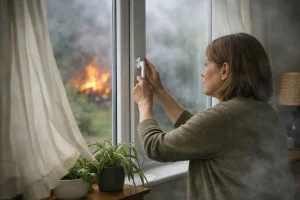
When dealing with the issue of a neighbour burning rubbish in the UK, the first step is understanding that not all bonfires are illegal, but they can quickly become a legal concern if they create a nuisance. The correct response depends on the scale, frequency, and type of waste being burned.
In most residential situations, the appropriate action is to contact the local council’s environmental health department.
They are responsible for assessing whether the smoke qualifies as a statutory nuisance under UK law. If the situation involves large scale waste burning or commercial activity, the Environment Agency becomes the relevant authority.
The situation becomes more urgent if the fire poses an immediate risk. In such cases, contacting emergency services is necessary to prevent harm.
To handle the situation effectively, individuals should:
- Observe the frequency and severity of the smoke
- Identify the type of materials being burned
- Record how the smoke affects daily life
- Choose the correct reporting authority based on the situation
Understanding these steps helps ensure the complaint is taken seriously and handled efficiently by the relevant authorities.
Is Burning Rubbish Illegal in the UK?
Burning rubbish in the UK falls into a legal grey area where context determines legality. While small garden bonfires are generally allowed, the law becomes stricter when the activity causes harm, pollution, or disruption.
The Environmental Protection Act 1990 is the primary legislation used to assess smoke complaints. This law gives local authorities the power to act when smoke becomes a statutory nuisance. It does not ban bonfires outright but focuses on the effect they have on others.
A statutory nuisance is defined by the impact on neighbouring properties rather than the act itself. This means even a small fire can be illegal if it produces excessive smoke or occurs frequently enough to interfere with normal living conditions.
What Counts as a Statutory Nuisance?
A statutory nuisance is not based on personal annoyance alone. It must meet certain criteria that demonstrate a significant impact on quality of life.
Examples include:
- Smoke consistently enters neighbouring homes
- Strong fumes prevent the use of gardens or outdoor spaces
- Repeated bonfires that occur over extended periods
- Smoke is affecting vulnerable individuals, such as children or those with respiratory conditions
A local environmental health officer explained this clearly:
“We assess nuisance based on evidence and impact. A one off bonfire is rarely an issue, but repeated smoke affecting daily life is where enforcement begins.”
Which Materials Are Illegal to Burn?
The type of material being burned plays a major role in determining whether the activity is lawful. Certain materials are prohibited due to the harmful emissions they produce.
The table below outlines common materials and their legal status:
| Material Type | Legal Status | Reason |
| Dry garden waste | Generally allowed | Produces less harmful smoke if controlled |
| Wet garden waste | Problematic | Creates excessive smoke |
| Plastics | Illegal | Releases toxic fumes |
| Rubber and tyres | Illegal | Produces thick black smoke |
| Treated wood | Illegal | Contains chemicals harmful when burned |
| Household rubbish | Illegal | Mixed waste creates toxic emissions |
Burning prohibited materials can result in enforcement action regardless of how often the fire occurs.
Who Do You Report a Neighbour Burning Waste to in the UK?
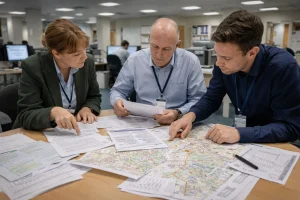
Choosing the correct authority is essential when reporting a neighbour burning rubbish in the UK. Different organisations handle different types of complaints depending on the nature of the activity.
The following table provides a clear overview of reporting channels:
| Situation Type | Authority to Contact | Contact Method |
| Residential smoke nuisance | Local council | Website or phone |
| Commercial waste burning | Environment Agency | 0800 80 70 60 |
| Anonymous reporting | Crimestoppers | 0800 555 111 |
| Immediate danger or fire risk | Emergency services | 999 |
When Should You Contact the Local Council?
Local councils are responsible for most complaints involving neighbours burning rubbish. Their environmental health teams investigate smoke issues and determine whether they meet the threshold for statutory nuisance.
They are best suited for:
- Occasional but disruptive bonfires
- Repeated smoke complaints
- Domestic waste burning
When Should You Call the Environment Agency?
The Environment Agency deals with more serious environmental offences, particularly those involving businesses or illegal waste disposal.
Situations that require their involvement include:
- Industrial or commercial burning
- Large-scale waste fires
- Illegal dumping followed by burning
When Is It an Emergency Situation?
Some situations require immediate action due to safety risks. Fires that spread rapidly or create hazardous conditions must be treated as emergencies.
A fire service professional highlighted this clearly:
“If smoke is affecting visibility on roads or a fire is spreading beyond control, it is no longer just a nuisance. It becomes a public safety issue.”
How Can You Report a Bonfire or Smoke Nuisance to Your Local Council?
Reporting a neighbour burning rubbish to a local council involves a structured process designed to gather evidence and assess the severity of the issue.
Most councils provide multiple ways to submit complaints, including online forms, telephone lines, and email communication. Once a complaint is received, it is reviewed by environmental health officers who determine the next steps.
The reporting process typically follows this structure:
| Step | Action Taken by Council |
| 1 | Review initial complaint |
| 2 | Request further details or evidence |
| 3 | Monitor the situation |
| 4 | Conduct site visits if required |
| 5 | Issue a warning or an abatement notice |
Providing detailed and accurate information at the beginning can significantly speed up the process. Councils often rely on consistent records to determine whether the issue is ongoing.
In some cases, residents may be asked to maintain a log of incidents. This helps demonstrate patterns of behaviour and strengthens the case for enforcement.
What Information Do You Need to Report a Neighbour Burning Rubbish?
Submitting a strong and effective report depends on the quality of the information provided. Authorities require clear details to assess whether the situation meets legal thresholds.
The table below outlines the key information required:
| Information Category | Description |
| Location | Exact address or identifiable location |
| Date and time | Specific times when burning occurs |
| Type of waste | Materials being burned |
| Impact | How it affects your home or health |
| Evidence | Photos, videos, or written records |
In addition to basic details, keeping a structured record over time can make a significant difference. A consistent log helps demonstrate that the issue is not isolated.
A housing advisor described this approach:
“People often report incidents once and expect immediate action. What really makes a difference is showing a pattern with clear records and evidence.”
Can You Report a Neighbour Burning Waste Anonymously in the UK?
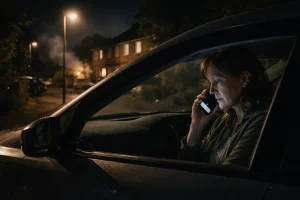
Anonymous reporting is an option for individuals who may feel uncomfortable raising concerns directly. This can be particularly useful in situations where there is a risk of conflict between neighbours.
Crimestoppers provides a confidential way to report environmental offences without revealing personal details. This ensures that information can still be passed to authorities while protecting the identity of the person reporting.
Some councils also accept anonymous complaints, although this may limit their ability to follow up for additional information.
It is important to understand that while anonymity is possible, providing contact details can improve the effectiveness of the investigation. Authorities may need clarification or additional evidence to proceed with enforcement.
What Happens After You Report a Smoke Nuisance Complaint?
Once a complaint is submitted, the local council begins an assessment process to determine whether the issue qualifies as a statutory nuisance.
This process involves several stages, each aimed at gathering sufficient evidence before taking action.
The table below explains potential outcomes:
| Stage | Outcome |
| Initial assessment | Complaint reviewed for validity |
| Evidence gathering | Logs, photos, or monitoring used |
| Investigation | Officers assess impact |
| Enforcement | Abatement notice issued if necessary |
| Non compliance | Fines or legal action |
If a statutory nuisance is confirmed, the council has the authority to issue an abatement notice. This legally requires the neighbour to stop or reduce the activity causing the nuisance.
Failure to comply with this notice can result in penalties, including fines and court proceedings.
How Can You Stop a Neighbour Burning Rubbish Without Escalating the Issue?
In some cases, addressing the issue informally can resolve the problem without involving authorities. This approach is often more suitable for occasional incidents or where there is an existing relationship between neighbours.
A calm and respectful conversation can sometimes lead to a quick resolution, particularly if the neighbour is unaware of the impact their actions are having.
A mediation specialist explained this clearly:
“Many disputes start from misunderstanding rather than intent. When people are made aware of the impact, they are often willing to change their behaviour.”
However, informal approaches are not always effective. If the burning involves harmful materials or continues despite communication, formal reporting becomes necessary.
What Are the Penalties for Illegal Waste Burning in the UK?
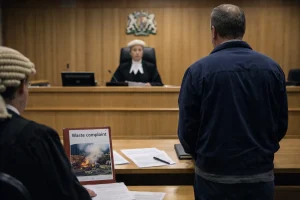
Penalties for illegal waste burning are designed to deter harmful behaviour and protect public health. The severity of the penalty depends on the nature of the offence and whether it is repeated.
The table below outlines common penalties:
| Offence Type | Potential Penalty |
| Breach of abatement notice | Fine or prosecution |
| Burning prohibited materials | Financial penalties |
| Commercial waste burning | Higher fines and legal action |
| Repeat offences | Increased penalties |
Businesses face stricter regulations and may be subject to more severe consequences due to the scale and impact of their activities.
When Should You Call 999 About a Neighbour’s Bonfire?
Emergency situations require immediate action to prevent harm. Not all bonfires fall into this category, but certain conditions make it necessary to involve emergency services.
Situations that justify calling 999 include:
- Fires spreading beyond control
- Thick smoke reducing visibility on roads
- Risk to nearby buildings or structures
A fire safety officer noted:
“People sometimes hesitate to call emergency services for bonfires, but if there is any risk to life or property, it is always the right decision.”
Recognising the difference between a nuisance and a dangerous situation is essential for responding appropriately.
Conclusion: How Do You Effectively Report a Neighbour Burning Rubbish in the UK?
To report a neighbour burning rubbish in the UK, it is important to identify the nature of the issue and choose the correct authority. Most residential complaints should be directed to the local council, while larger or illegal waste burning should be reported to the Environment Agency.
Providing detailed information, understanding the legal framework, and using the appropriate reporting channels can make the process more effective.
While informal resolution may work in some cases, persistent or harmful smoke should always be addressed through official means.
FAQs
Can you burn garden waste legally in the UK?
Yes, burning garden waste is legal as long as it does not create excessive smoke or a statutory nuisance for neighbours.
How long does a council investigation take for smoke complaints?
The timeframe varies, but it often depends on the availability of evidence and whether the nuisance is ongoing or intermittent.
Can I take legal action myself against a neighbour?
Yes, individuals can take private legal action under statutory nuisance laws, but this is usually a last resort.
What is the difference between nuisance smoke and normal bonfires?
Normal bonfires are occasional and controlled, while nuisance smoke is persistent, excessive, and impacts others.
Do councils always act on bonfire complaints?
Councils will act if there is sufficient evidence that a statutory nuisance exists.
Is burning rubbish worse in certain weather conditions?
Yes, smoke can linger more in still or damp conditions, increasing its impact on neighbouring properties.
Can landlords be held responsible for tenants burning rubbish?
In some cases, landlords may be involved, especially if the issue is ongoing and not addressed.