The South Gloucestershire Council homelessness failure has attracted national attention after the Local Government and Social Care Ombudsman (LGSCO) found that a domestic abuse survivor and her child were wrongly denied housing assistance.
According to the investigation, the council misapplied homelessness law, failed to properly consider documented safety risks, and attempted to refer the family back towards areas connected to the abuse.
Key points:
- A domestic abuse survivor and her child sought homelessness assistance after leaving a refuge.
- The council relied on local connection rules despite legal protections for abuse victims.
- The Ombudsman found significant failures in the council’s decision-making.
- The authority apologised and agreed to pay £1,000 compensation.
- The case raises wider questions about homelessness law compliance across England.
What Happened in the South Gloucestershire Council Homelessness Failure?
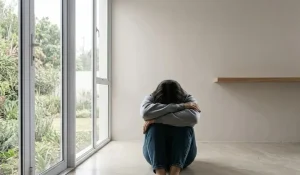
The case centred on a woman and her child who fled domestic abuse and entered refuge accommodation in 2023. When the refuge placement was coming to an end, she approached South Gloucestershire Council for housing assistance.
Despite evidence indicating that she faced ongoing risks from her former partner, the council refused to accept a homelessness duty. Instead, officials attempted to direct her towards other local authority areas, including locations where her former partner had reportedly attempted to find her.
The Ombudsman concluded that the authority failed to properly apply legal protections intended for domestic abuse survivors. More importantly, the council eventually closed the case without securing accommodation or providing a clear route to support.
The outcome left a vulnerable family facing uncertainty at a time when housing assistance was most needed.
Why Was the Domestic Abuse Survivor Refused Housing Help?
According to the Ombudsman’s findings, the council’s decision largely focused on the applicant’s lack of a local connection to South Gloucestershire.
However, homelessness legislation and statutory guidance provide specific protections for victims of domestic abuse. These protections recognise that survivors often need to relocate outside their home areas to remain safe.
Rather than prioritising the documented risks, the council reportedly concluded that the applicant could be accommodated a short distance away from locations associated with the abuse. The Ombudsman found there was no legal basis for this assessment.
“Homelessness legislation is designed to prioritise safety where domestic abuse is involved. Risk assessments must outweigh administrative considerations such as local connection.” – UK Housing Law Specialist
The case demonstrates how an incorrect interpretation of housing duties can significantly affect vulnerable households.
What Did the Ombudsman Find Wrong with the Council’s Decision?
The Ombudsman’s investigation identified several serious concerns regarding the council’s handling of the application.
Misuse of Local Connection Rules
Under homelessness legislation, councils can sometimes refer applicants to another authority where a stronger local connection exists. However, special exemptions apply when domestic abuse creates safety concerns.
The Ombudsman found that local connection considerations should not have been used in this case because doing so potentially exposed the applicant and her child to further harm.
Failure to Properly Assess Domestic Abuse Risk
The investigation also concluded that the council failed to adequately consider documented evidence showing severe and escalating danger.
Key findings included:
- Ignoring evidence of ongoing harassment.
- Attempting referrals to locations connected to the perpetrator.
- Failing to recognise statutory protections for abuse survivors.
- Closing the homelessness case prematurely.
- Rejecting challenges raised by the applicant’s support worker.
These findings contributed to the conclusion that the council had fundamentally misapplied the law. The Ombudsman also expressed concern that the decisions were maintained with managerial oversight rather than being isolated mistakes.
How Should UK Homelessness Law Protect Domestic Abuse Survivors?

UK homelessness law places specific obligations on councils when dealing with domestic abuse cases. The Housing Act 1996 and the Homelessness Code of Guidance emphasise that survivors should not be expected to return to unsafe areas.
When an applicant is homeless because of domestic abuse, councils must carefully assess risk factors and ensure that safety remains the primary consideration.
Key Legal Protections:
| Legal Protection | Purpose |
| Homelessness Duty | Assess housing needs and provide assistance |
| Domestic Abuse Exemptions | Prevent unsafe referrals based on local connection |
| Relief Duty | Help secure accommodation for eligible applicants |
| Emergency Accommodation Powers | Protect vulnerable households facing immediate risk |
| Statutory Guidance | Ensure consistent decision-making across councils |
This framework exists specifically to prevent situations similar to the one identified in the South Gloucestershire Council homelessness failure.
Why Was Referring the Family Back Towards Danger Legally Problematic?
Referring the family back towards areas linked to domestic abuse became one of the most concerning aspects of the Ombudsman’s findings. Housing guidance states that councils should prioritise safety and avoid decisions that could expose survivors to continued risks.
Why the Decision Raised Legal Concerns
- Government guidance: Domestic abuse survivors should not be expected to return to unsafe areas.
- Ongoing risks: Threats, intimidation, and harassment can continue even with legal protections in place.
- Evidence concerns: The council’s assessment appeared to minimise documented risks facing the family.
- Safeguarding responsibilities: Housing decisions must consider both accommodation needs and personal safety.
- Professional expectation: Risk assessments should proactively prevent harm rather than respond after incidents occur.
“The purpose of homelessness guidance is not simply to provide housing but to reduce the likelihood of further harm. Safety assessments must be proactive rather than reactive.” – Domestic Abuse Policy Adviser
The Ombudsman found that the council minimised the risks facing the family. This assessment contradicted both the documented evidence and the spirit of the statutory guidance. The decision therefore became not only a housing issue but also a safeguarding concern.
What Were the Human Consequences of the Council’s Housing Decision?
Beyond the legal failures, the case highlights the serious impact housing decisions can have on vulnerable families. The Ombudsman concluded that the council’s actions exposed a domestic abuse survivor and her child to unnecessary distress, uncertainty, and potential harm.
Distress, Uncertainty and Safety Risks
After leaving a refuge, the mother sought support but faced repeated refusals and was directed towards areas she believed were unsafe. The Ombudsman found that documented risks were not properly reflected in the council’s decision-making.
Without secure accommodation, the family faced uncertainty about housing and ongoing concerns about safety. For domestic abuse survivors, unstable housing can increase anxiety and make recovery more difficult.
Impact on the Child
The effects of homelessness and domestic abuse often extend to children. In this case, housing insecurity created uncertainty around living arrangements and personal safety.
Frequent moves and unstable accommodation can affect a child’s emotional wellbeing, education, social development, and access to support services. The findings highlight the need to consider children’s welfare during homelessness decisions.
Loss of Trust in Housing Support
The case also raised concerns about trust in public services. The Ombudsman found the council maintained its position despite repeated challenges from the applicant’s support worker, who referenced relevant legislation.
When people seeking urgent help feel ignored, confidence in housing services can decline, particularly in domestic abuse cases where support systems play a critical role.
Impact Summary:
| Impact Area | Potential Consequences |
| Housing Security | Increased homelessness risk and instability |
| Personal Safety | Potential exposure to further abuse |
| Mental Wellbeing | Higher stress and anxiety |
| Child Welfare | Disruption to stability and education |
| Public Confidence | Reduced trust in support services |
These findings show why homelessness laws place strong emphasis on protecting vulnerable households through proper risk assessments and legal compliance.
What Has South Gloucestershire Council Been Told to Do Next?

Following the investigation, the council apologised and agreed to implement the Ombudsman’s recommendations.
Actions reported include:
- Payment of £1,000 compensation.
- Additional staff training.
- Increased oversight of domestic abuse cases.
- Development of a detailed improvement plan.
- Review of relevant housing procedures.
The authority acknowledged that the situation should not have occurred and committed to strengthening its approach to similar cases. These measures are intended to reduce the risk of comparable failures in the future. However, the effectiveness of these changes will ultimately depend on how consistently they are applied in practice.
What Can Homeless Applicants Do If a Council Refuses Help?
Applicants who believe a council has incorrectly assessed their homelessness application are not without options. They may request a review of decisions, seek assistance from housing charities, obtain legal advice, or escalate complaints through formal procedures.
Useful avenues of support can include:
- Shelter
- Citizens Advice
- Local authority complaints procedures
- Specialist domestic abuse organisations
- Housing solicitors
- The Local Government and Social Care Ombudsman
“Early legal advice can be critical where homelessness decisions appear inconsistent with statutory guidance. Challenging decisions promptly often leads to better outcomes.” – Housing Rights Advocate
Understanding available remedies can help applicants protect their rights and access appropriate support.
How Could This Case Influence Future Homelessness Decisions?

This case could influence how councils across England assess homelessness applications, particularly those involving domestic abuse and safeguarding concerns.
It may also encourage local authorities to review housing policies, staff training, and decision-making procedures to ensure legal duties are applied correctly.
The findings reinforce several key principles, including keeping domestic abuse risks central to assessments, ensuring local connection rules do not override safety concerns, properly considering support worker challenges, maintaining managerial accountability, and following statutory guidance consistently.
As homelessness pressures continue to rise, the case highlights the importance of protecting vulnerable households and maintaining public trust in housing services.
Conclusion
The South Gloucestershire Council homelessness failure highlights the serious consequences of misapplying housing laws, particularly in cases involving domestic abuse survivors.
The Ombudsman’s findings reinforce the importance of prioritising safety, following statutory guidance, and properly assessing risk.
While the council has apologised and introduced corrective measures, the case serves as an important reminder that homelessness decisions must be legally sound, compassionate, and focused on protecting vulnerable individuals and families.
Frequently Asked Questions
Can a council refuse help if someone has no local connection?
In domestic abuse cases, local connection rules should not be used in a way that places applicants at risk. Councils must follow specific legal protections designed for survivors.
What evidence can domestic abuse survivors provide when applying as homeless?
Evidence may include police reports, refuge records, support worker statements, risk assessments, court orders, or documentation from support organisations.
Does a refuge stay affect a homelessness application?
A refuge stay does not remove a council’s duty to assess homelessness needs. In many cases, refuge accommodation may support evidence of vulnerability and risk.
Can a council close a homelessness case without offering accommodation?
Councils must comply with their statutory duties before ending assistance. Decisions can be challenged if applicants believe procedures were not followed correctly.
What is the role of the Local Government and Social Care Ombudsman?
The Ombudsman investigates complaints about council maladministration and can recommend remedies, compensation, and service improvements.
Can a support worker challenge a council housing decision?
Yes. Support workers frequently provide evidence, raise legal concerns, and advocate on behalf of vulnerable applicants during homelessness assessments.
What compensation can be awarded after council homelessness failures?
Compensation varies depending on the circumstances. Ombudsman recommendations often consider distress, inconvenience, and the impact of council errors.