Jahanara Begum, a London landlord, was ordered by the First tier Tribunal to repay £16,685 after breaching HMO regulations, failing to obtain a licence, and violating tenant rights at a property in Tower Hamlets.
The case directly answers concerns about how seriously UK tribunals treat unlicensed HMOs and landlord misconduct, especially where tenant safety and privacy are compromised. It highlights enforcement under the Housing Act 2004 and the consequences of repeated non compliance.
Key takeaways:
- £16,685 Rent Repayment Order issued for an unlicensed HMO
- Serious tenant rights breaches including unlawful entry and lock tampering
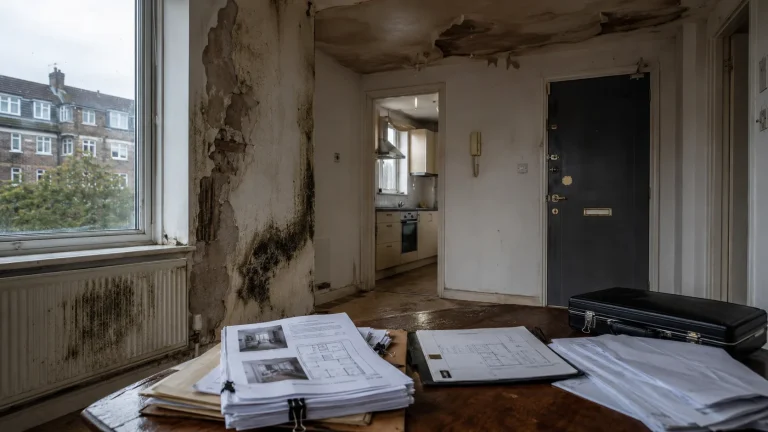
- Poor living conditions such as mould, pests, and no heating
- Tribunal found no reasonable excuse due to landlord absence
- Pattern of previous tribunal cases involving similar violations
What Happened in the Jahanara Begum Landlord Tribunal Case?

Jahanara Begum became the subject of a significant landlord tribunal case after the First tier Tribunal Property Chamber reviewed complaints from four tenants living at Padstow House, Three Colt Street, London.
The tribunal ordered her to repay £16,685 after concluding that she had committed multiple breaches relating to housing law, tenant rights, and HMO licensing regulations.
The case covered a tenancy period between July 2022 and July 2024. During this time, tenants raised repeated concerns about both the condition of the property and the landlord’s conduct. These were not isolated complaints but a pattern of behaviour that demonstrated disregard for legal obligations.
The central issue was that the property was operating as a House in Multiple Occupation without a valid licence under Tower Hamlets’ additional licensing scheme.
This alone was enough to justify a Rent Repayment Order, but the tribunal also considered aggravating factors such as property condition, tenant treatment, and lack of engagement from the landlord.
Key Allegations Raised by Tenants
Tenants described a difficult living environment that extended beyond poor maintenance. Their concerns highlighted both physical and legal violations.
- The landlord entered the property without notice on multiple occasions
- Bedroom locks were altered, allowing access without tenant consent
- The living room was restricted and used by the landlord for personal guests
- Additional occupants were introduced, increasing overcrowding concerns
- Complaints about repairs were frequently ignored
This pattern of behaviour created an environment where tenants felt their privacy and safety were compromised. It also raised legal concerns about the right to quiet enjoyment, which is a fundamental principle in UK tenancy law.
Tribunal Findings and Outcome
The tribunal assessed written evidence, tenant testimonies, and the absence of any defence from the landlord. Jahanara Begum did not attend the hearing and did not provide submissions to justify her actions.
The judge concluded that there was no reasonable excuse for failing to obtain an HMO licence. The decision to impose a financial penalty was influenced by several factors, including the duration of the offence and the seriousness of the breaches.
| Factor Considered | Tribunal Observation | Impact on Outcome |
| Licensing failure | No valid HMO licence | Primary legal breach |
| Tenant treatment | Aggressive and intrusive behaviour | Increased severity |
| Property condition | Unsafe and poorly maintained | Strengthened tenant claims |
| Landlord response | No participation in hearing | Negative inference |
The £16,685 repayment was intended to remove financial benefit gained during the period of non compliance and to reinforce legal accountability.
Who Is Jahanara Begum in the Landlord Tribunal Case?
Jahanara Begum is a London based landlord whose involvement in tribunal proceedings spans several years. The 2026 case is part of a broader record that includes earlier enforcement actions related to similar issues.
Her background in property letting has been marked by repeated failures to comply with HMO licensing requirements. Tribunal records show that this is not a one off situation but part of a consistent pattern.
| Year | Location | Issue | Outcome |
| 2012 | Castlehaven Road | Unlicensed HMO | £39,000 repayment |
| 2021 to 2022 | Gipsy Road | Licensing failure | Rent Repayment Order |
| 2026 | Padstow House | Multiple breaches | £16,685 penalty |
These cases collectively demonstrate a recurring issue with regulatory compliance. The repetition of similar offences can influence how tribunals assess credibility and intent in later cases.
The presence of multiple tribunal decisions also reflects how local authorities and tenants increasingly rely on legal mechanisms to enforce housing standards.
Why Was the HMO Property Considered Non Compliant?
The property failed to meet the legal definition of a compliant HMO due to the absence of a licence and the presence of significant safety and maintenance issues.
Under the Housing Act 2004, landlords must obtain a licence if their property meets specific occupancy thresholds or falls within designated licensing areas.
Tower Hamlets operates an additional licensing scheme, which extends these requirements to smaller HMOs. This means landlords must meet strict criteria before renting out such properties.
Missing Safety and Legal Requirements
The tribunal identified several serious deficiencies that would have prevented the property from being licensed.
- Lack of fire alarms and smoke detection systems
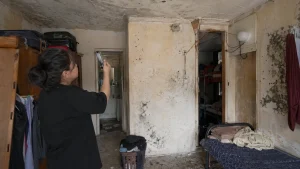
- Ongoing mould growth affecting living conditions
- Cockroach infestation indicating hygiene issues
- Boiler malfunction leading to lack of central heating
- Delayed or ignored repair requests
These issues are not minor technical breaches. They directly affect tenant health and safety, which is a key consideration in housing enforcement.
| Requirement | Expected Standard | Actual Condition |
| Fire safety | Installed alarms and detectors | Not present |
| Heating | Functional central heating | Non functional |
| Ventilation | Mould free environment | Persistent mould |
| Pest control | Clean and safe | Infestation reported |
A housing compliance consultant explained this clearly
“In licensed HMOs, councils require landlords to meet strict safety standards before tenants move in. When licensing is ignored, those safeguards are effectively removed and tenants are left exposed to avoidable risks.”
This insight reflects how licensing acts as a preventative system rather than a reactive one.
How Did the Landlord Violate Tenant Rights?
The tribunal found that the landlord’s conduct extended into direct violations of tenant rights, particularly in relation to privacy and lawful occupation.
Tenants are legally entitled to quiet enjoyment of the property. This means they should be able to live without unnecessary interference from the landlord.
The actions reported in this case went beyond acceptable boundaries.
- Entering the property without giving notice
- Accessing bedrooms without permission
- Changing or tampering with locks
- Restricting access to shared spaces
- Increasing rent without proper procedure
- Failing to protect tenancy deposits
These actions breach multiple legal frameworks, including tenancy agreements and statutory housing regulations.
| Tenant Right | Legal Expectation | Breach Identified |
| Privacy | Notice required before entry | Unannounced visits |
| Security | Exclusive access to rooms | Lock tampering |
| Shared access | Use of communal areas | Living room restricted |
| Financial protection | Deposit secured | No protection |
A housing advisor described this type of situation based on experience
“I have dealt with similar disputes where landlords underestimate how serious unauthorised entry can be. Once tenants feel unsafe in their own space, it becomes a major legal issue and tribunals respond firmly.”
This highlights how tenant rights are not just contractual but enforceable through legal action.
What Role Did the First tier Tribunal Property Chamber Play?

The First tier Tribunal Property Chamber acts as an independent body that resolves disputes between landlords and tenants. It plays a central role in enforcing housing standards without requiring cases to go through traditional courts.
In this case, the tribunal evaluated the evidence presented by tenants and applied legal standards set out in the Housing Act 2004.
Its responsibilities included:
- Determining whether the property required an HMO licence
- Assessing the severity of breaches
- Calculating appropriate financial penalties
- Issuing a Rent Repayment Order
The tribunal also considered whether the landlord had a reasonable excuse for non compliance. Since no evidence was provided, the tribunal concluded that there was none.
The absence of participation from the landlord often leads to decisions being based entirely on tenant evidence, which can significantly influence outcomes.
What Are the Legal Consequences of Operating an Unlicensed HMO in the UK?
Operating an unlicensed HMO exposes landlords to multiple legal and financial risks. The law is designed to ensure that landlords cannot benefit from non compliance.
Penalty Breakdown Example
| Violation Type | Legal Consequence | Financial Impact |
| No licence | Rent Repayment Order | Repayment of rent |
| Safety breaches | Council enforcement | Additional fines |
| Tenant rights violations | Compensation | Increased liability |
| Repeat offences | Legal escalation | Higher penalties |
The £16,685 penalty in this case reflects a combination of these factors. It is not a fixed fine but a calculated amount based on rent paid and the seriousness of the offence.
The Housing Act 2004 allows authorities to impose penalties that serve three main purposes:
- To punish unlawful behaviour
- To deter other landlords from similar actions
- To remove financial gain obtained through illegal letting
This approach ensures that non compliant landlords do not profit from ignoring regulations.
What Other Tribunal Cases Involve Jahanara Begum?
The 2026 case is part of a wider pattern involving previous tribunal decisions.
Castlehaven Road Case 2012
This earlier case involved similar issues, including operating an unlicensed HMO and failing to meet fire safety standards. The tribunal ordered a repayment of approximately £39,000, which was significantly higher due to the scale of the breach.
Gipsy Road Case 2021 to 2022
Another Rent Repayment Order case linked to a similar name highlighted continued issues with licensing compliance. While details vary, the core issue remained consistent.
| Case | Key Issue | Outcome |
| Castlehaven Road | Fire safety and licensing | £39,000 repayment |
| Gipsy Road | Licensing failure | RRO issued |
| Padstow House | Multiple breaches | £16,685 repayment |
The recurrence of such cases may influence how authorities monitor and enforce compliance in future situations.
How Can Landlords Avoid Tribunal Penalties for HMO Breaches?
Avoiding tribunal action requires landlords to take a proactive approach to compliance. This includes understanding legal obligations and maintaining properties to required standards.
- Apply for the correct HMO licence before letting
- Ensure fire safety systems are installed and maintained
- Respond promptly to repair requests
- Respect tenant privacy and legal rights
- Use approved schemes for deposit protection
Compliance is not a one time requirement but an ongoing responsibility. Regular inspections and updates are essential to meet changing regulations.
What Should Tenants Do If Facing Similar Issues?

Tenants who experience similar conditions have clear legal options available to them. The UK housing system provides mechanisms to address unsafe or unlawful practices.
- Report issues to the local council housing department
- Document evidence such as photos and communication records
- Apply for a Rent Repayment Order through the tribunal
- Seek advice from housing support organisations
Taking action early can prevent issues from escalating and improve living conditions.
What Key Lessons Does the Jahanara Begum Landlord Tribunal Case Highlight?
This case demonstrates how enforcement of housing law is becoming more structured and consistent across the UK. It highlights the importance of accountability and the role of tribunals in maintaining standards.
Landlords are expected to meet clear legal requirements, and failure to do so can result in financial penalties and reputational impact. Tenants, on the other hand, are increasingly aware of their rights and more willing to pursue legal remedies.
The case also shows that repeated non compliance can lead to continued scrutiny and stronger enforcement actions over time.
Conclusion
The Jahanara Begum landlord tribunal case demonstrates the growing importance of compliance in the UK rental market. With stricter enforcement of HMO regulations and tenant protection laws, landlords face increasing scrutiny.
The £16K penalty serves as a clear warning that failing to meet legal standards can lead to serious consequences. At the same time, it highlights the effectiveness of the tribunal system in addressing tenant grievances and enforcing housing laws.
As regulatory oversight continues to strengthen, both landlords and tenants must stay informed about their rights and responsibilities.
FAQs
What is an HMO in UK housing law?
An HMO (House in Multiple Occupation) is a property rented by at least three people who are not from one household but share facilities like a kitchen or bathroom.
Do all HMOs require a licence in the UK?
Not all, but many do. Mandatory licensing applies to larger HMOs, while some councils, like Tower Hamlets, enforce additional licensing schemes.
What is a Rent Repayment Order?
A Rent Repayment Order allows tenants to reclaim rent paid when a landlord has committed certain offences, such as operating an unlicensed HMO.
Can a landlord enter a rented property without notice?
No, landlords must give at least 24 hours’ notice and obtain tenant consent, except in emergencies.
What happens if a landlord does not protect a deposit?
They may be required to repay the deposit and could face additional financial penalties through the courts or tribunal.
How do tenants report unsafe housing conditions?
Tenants can report issues to their local council’s housing enforcement team, which can investigate and take action.
Are tribunal decisions legally binding?
Yes, decisions made by the First-tier Tribunal are legally enforceable.