The Steve Figg builder Essex case centres on a serious construction dispute where a couple paid £44,000 for a home extension but were instead left with a damaged property and unexpectedly arrested after the builder reported them for harassment.
What should have been a straightforward project turned into a prolonged legal and emotional ordeal, exposing risks linked to rogue builders, poor workmanship, and lack of proper oversight.
The case also involves multiple victims, significant financial losses, and confirmed breaches of UK building regulations, making it a notable example of construction disputes in the UK.
Key Takeaways:
- A couple paid £44K and ended up arrested during the dispute
- Property left unsafe with major structural issues
- Multiple victims reported similar experiences
- Builder admitted 22 breaches of building regulations
- £85,000 compensation awarded by the court
- Highlights risks of rogue builders in Essex and the UK
- Importance of contracts, staged payments, and due diligence
Who Is Steve Figg Builder Essex and What Happened in This Case?
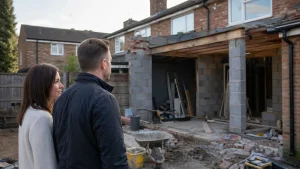
The Steve Figg builder Essex case has drawn widespread attention due to the severity of the allegations and the real life consequences faced by multiple homeowners.
At its core, the situation involves a builder operating in Essex who was hired for residential construction and renovation projects but left behind a trail of complaints, damaged properties, and legal disputes.
Steve Figg, associated with Figg Construction Ltd, was contracted by several homeowners to carry out extensions and structural improvements.
These projects often involved significant financial commitments, with clients investing tens of thousands of pounds into what they believed would be professionally managed developments. Instead, the work carried out raised serious concerns about safety, compliance, and conduct.
The most widely reported case involves Rob and Lucy Davies, who entered into an agreement for a home extension. What began as a standard construction project quickly escalated into a dispute involving incomplete work, financial loss, and unexpected police involvement. Their experience became a central example of how construction disagreements can spiral into legal and emotional crises.
According to Rob Davies, “the only way I could describe how our house looked was like a bomb site.” This statement reflects not just dissatisfaction with the work but the extreme deterioration of the property during the project.
Across multiple accounts, a pattern began to emerge involving delayed timelines, poor workmanship, and confrontational interactions.
These elements combined to create a situation that extended far beyond a typical builder dispute and entered the realm of legal enforcement and public concern.
Why Did the Davies Family Pay £44K and What Went Wrong?
The Davies family committed £44,000 to fund a single storey extension that was expected to transform their home. Like many homeowners in the UK, they relied on verbal assurances, initial planning agreements, and a degree of trust in the builder’s capabilities.
The project was initially planned to be completed within 12 weeks. This timeline aligned with standard expectations for similar extensions, which typically include groundwork, structural framing, roofing, and interior finishing. However, progress slowed significantly and eventually halted altogether.
The financial structure of the project played a key role in the difficulties that followed. A large portion of the agreed payment was made upfront, leaving the homeowners financially exposed when the work stopped.
What Was Promised vs What Was Delivered?
The gap between expectations and reality was substantial. The Davies family anticipated a smooth construction process with clear milestones and visible progress.
Instead, the project resulted in:
- Incomplete structural work that did not meet building standards
- Long periods of inactivity with no communication
- A partially demolished home left exposed to external elements
The promised transformation of living space turned into a prolonged disruption that affected both the functionality and safety of the home.
| Aspect | Expected Outcome | Actual Outcome |
| Timeline | 12 weeks completion | Over a year with no completion |
| Structure | Safe, compliant extension | Unsafe and incomplete build |
| Communication | Regular updates | Limited and inconsistent contact |
| Financial value | Quality workmanship | Additional repair costs |
How Did the Property Become Unsafe?
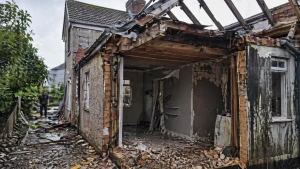
The deterioration of the property created immediate safety concerns. Large sections of the home were left structurally unsupported, increasing the risk of collapse.
Rob Davies described the situation clearly by stating, “there was a huge, gaping hole in the garden where the kitchen was supposed to go and the back of the house was at risk of collapse.”
Environmental exposure worsened the situation. Open walls allowed cold air and moisture to enter, making the home difficult to heat and maintain. The presence of pests added another layer of concern, as gaps in the structure created entry points for rats.
| Hazard Type | Description | Impact on Household |
| Structural risk | Unsupported walls | خطر انهيار محتمل |
| Weather exposure | Open construction areas | Loss of heat and comfort |
| Pest infestation | Entry points for rodents | Health and hygiene concerns |
| Incomplete build | Missing fixtures and finishes | Unusable living space |
How Did a Builder Dispute Lead to the Couple Being Arrested?
One of the most unusual aspects of the Steve Figg Essex builder case is the involvement of law enforcement against the homeowners rather than the contractor at an early stage.
After repeated attempts to contact the builder and resolve the situation, the Davies family found themselves accused of harassment. This claim was made by the builder, who reported their communication efforts to the police.
The situation escalated further when it was revealed that the builder had also expressed a violent statement to authorities. Despite this, the immediate action taken was the arrest of the homeowners.
Rob and Lucy Davies were detained for 22 hours following their arrest at their respective workplaces. They were later released, and an apology was issued by the police, acknowledging that the situation had been mishandled.
This sequence of events highlights the complexity of disputes where communication breaks down and allegations are made by both parties.
| Stage | Event | Outcome |
| Initial dispute | Homeowners seek updates | No response |
| Escalation | Builder reports harassment | Police involvement |
| Arrest | Couple detained | 22 hours in custody |
| Resolution | Investigation continues | Apology issued |
The incident illustrates how quickly a civil disagreement can take on criminal implications when formal complaints are introduced without clear context.
What Damage Did Steve Figg Leave Behind at the Essex Property?
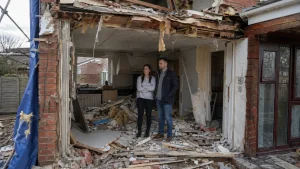
The physical condition of the Davies property deteriorated significantly during the project. The incomplete extension left large portions of the home exposed and structurally unstable.
Financially, the impact extended far beyond the initial payment. The couple ultimately spent £75,000 in total, which included repair costs and legal expenses.
Rob Davies explained the emotional strain by saying, “it was a complete nightmare. There were times where we thought we wouldn’t get through it together.”
The damage can be broken down into several categories:
- Structural damage requiring extensive rebuilding
- Increased costs due to corrective construction work
- Legal expenses related to pursuing action
- Emotional stress affecting family stability
| Cost Category | Amount Spent | Purpose |
| Initial payment | £44,000 | Original construction work |
| Repairs | £28,000 | Fixing structural issues |
| Legal fees | £3,000 | Legal proceedings |
| Total | £75,000 | Overall financial impact |
Living conditions became extremely difficult. The home could not retain heat, and everyday routines were disrupted. The presence of open construction areas made it unsafe, particularly for prolonged occupancy.
Are There Other Victims of This Essex Builder Case?
Reports from other homeowners suggest that the issues experienced by the Davies family were not isolated. Several individuals came forward with similar stories, indicating a broader pattern.
What Happened to Gemma Hemmings and Her Family?
Gemma Hemmings and her husband entered into a contract for both a home extension and the construction of a garden office. The total cost approached £100,000, representing a significant investment.
The situation escalated during a disagreement over final payment. According to Hemmings, “we watched while he destroyed everything with a big smile on his face. It was terrifying.”
She described an incident in which the builder arrived with tools and demolished part of the structure. The emotional impact was intensified by the presence of a newborn child and the disruption to family life.
“The pressure it put on our family life was incredible; it was just incredible and terrifying,” she said.
The family was forced to leave their home for several weeks, adding further stress and inconvenience.
How Did Nick Marns Suffer From This Construction Dispute?
Nick Marns experienced one of the most severe outcomes. His property was left uninhabitable after extensive demolition work that was not followed by reconstruction.
He stated, “when building control came, he said it was the worst build he’d ever seen in his career.”
The situation led to long term consequences, including:
- Temporary homelessness
- Emotional distress requiring counselling
- Strain on personal relationships
Marns also described the builder’s behaviour as evasive and misleading. “He’s a weasel of a man because every time he’s confronted, he becomes sick or says one of his family members has died,” he said.
| Victim | Investment | Outcome |
| Davies family | £75,000 total | Arrest and property damage |
| Hemmings family | £100,000 | Property destruction and displacement |
| Nick Marns | Substantial sum | Homelessness and emotional distress |
What Legal Action Was Taken Against Steve Figg in Essex?
The legal process revealed multiple breaches of building regulations. In the Davies case alone, Steve Figg admitted to 22 separate violations.
These breaches included failures in structural integrity, safety compliance, and adherence to approved building plans. Such violations are taken seriously under UK construction laws due to the potential risk to life and property.
Basildon Council’s building control team played a critical role in documenting the issues and presenting evidence. Their findings helped establish the extent of non compliance.
The court ordered compensation of £85,000 to the Davies family. This amount was intended to cover both the financial losses and the cost of rectifying the damage.
| Legal Element | Details | Outcome |
| Violations | 22 breaches | Confirmed in court |
| Investigating body | Basildon Council | Evidence collection |
| Compensation | £85,000 | Awarded to victims |
| Additional cases | Multiple অভিযোগ | Under investigation |
The case also raised the possibility of further legal action involving other victims, suggesting that the full extent of the situation may not yet be fully resolved.
What Are the Warning Signs of Rogue Builders in the UK?
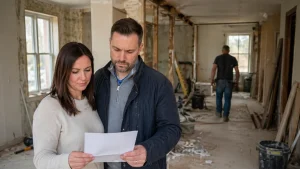
The Steve Figg builder Essex case highlights several warning signs that homeowners should be aware of when hiring contractors.
Recognising these signs early can help prevent financial loss and legal complications. While not every issue indicates wrongdoing, consistent patterns should raise concern.
- Requests for large upfront payments without clear milestones
- Lack of written agreements or vague contract terms
- Repeated delays without explanation
- Poor quality workmanship
- Defensive or aggressive responses to feedback
These indicators often appear gradually, making it important for homeowners to monitor progress closely and maintain detailed records.
How Can Homeowners Avoid Builder Disputes in Essex and the UK?
Avoiding disputes requires a combination of preparation, documentation, and ongoing oversight. Homeowners can reduce risks by taking structured steps before and during construction projects.
| Step | Action | Result |
| Verification | Check credentials and reviews | Confirms reliability |
| Contract | Use detailed written agreements | Clarifies expectations |
| Payments | Use staged payment structure | Limits financial exposure |
| Monitoring | Regular site inspections | Ensures quality control |
| Documentation | Keep written records | Supports dispute resolution |
In addition to these steps, maintaining clear communication with the builder is essential. Any concerns should be addressed early to prevent escalation.
Legal resources such as Citizens Advice and local councils can provide guidance if disputes arise. Early intervention often leads to better outcomes and reduces the likelihood of prolonged legal battles.
Conclusion
The Steve Figg builder Essex case reveals how quickly a home improvement project can turn into a serious crisis.
From financial loss to legal complications and emotional strain, the consequences were severe for all involved.
It serves as a strong reminder for UK homeowners to approach building projects with caution, ensuring proper checks, clear contracts, and awareness of their rights.
Ultimately, the story is not just about one builder, but about the broader risks within the construction industry and the importance of protecting oneself against them.
FAQs
What should homeowners do if a builder abandons a project?
Homeowners should document all work completed, attempt written communication, and seek legal advice. Reporting the issue to trading standards can also help.
Can a builder legally report clients for harassment?
Yes, but claims must be supported by evidence. Misuse of such complaints can lead to legal consequences.
How can I verify a builder’s credentials in the UK?
Check trade associations, online reviews, Companies House records, and ask for previous client references.
What are common building regulation breaches?
They include unsafe structures, lack of proper support, poor insulation, and failure to meet safety standards.
Is it safe to pay builders upfront?
It is generally advised to avoid large upfront payments and instead use staged payments based on progress.
What legal action can be taken against rogue builders?
Options include civil claims, small claims court, and reporting to local authorities or trading standards.
How long do building dispute cases take in the UK?
The duration varies depending on complexity but can range from a few months to several years.