Purchasing a home and securing a mortgage are some of the most significant financial commitments individuals make.
However, unexpected life events such as a job relocation, relationship changes, or financial hardship may leave homeowners questioning how soon they can resell their property.
While there’s no legal minimum timeframe restricting when you can sell a home in the UK, various financial, contractual, and market-based implications must be considered.
This guide explores all the critical aspects of selling a home shortly after purchase and what UK homeowners should be aware of before making that decision.
What Are the General Rules for Selling a House After Buying It in the UK?

In the United Kingdom, there is no legal restriction on how soon you can sell a property after purchasing it. Once you become the legal owner of the property, as recorded with HM Land Registry, you are technically entitled to list it for sale at any time.
However, while this is legally permissible, various practical, financial, and contractual factors may limit how soon a sale can realistically take place.
Legal Ownership and Title Registration
After purchasing a home, the buyer’s solicitor submits an application to HM Land Registry to officially transfer ownership. This process can take several weeks, sometimes even longer in high-volume periods.
Although legal ownership is considered transferred on the completion date, the Land Registry update must be completed before most buyers’ solicitors or lenders will proceed with another sale.
Some lenders and solicitors adhere to the informal “six-month rule”, which discourages the sale of a property within six months of purchase unless there are exceptional circumstances.
This isn’t a legal barrier but rather a common risk management policy aimed at avoiding fraud, property flipping for money laundering, and artificially inflated valuations.
Mortgage Contract Restrictions
Many buyers fund their property purchase with a mortgage. Mortgage providers often include specific clauses that either restrict early repayment or penalise early redemption of the mortgage. These conditions make it more difficult or at least more expensive to sell a property soon after buying it.
Buyers should carefully review their mortgage agreement for:
- Early repayment charges (ERCs) if the mortgage is paid off within a set period
- Fixed-term clauses that tie them into a rate or product for several years
- Restrictions on resale within a specific timeframe
In some cases, lenders might allow a sale within the initial period if there is a compelling reason, such as divorce or redundancy, but they will likely still impose penalties.
Buyer and Market Perception
Even if you are legally and contractually able to sell, a quick resale can sometimes deter potential buyers. Prospective buyers may wonder:
- Why the property is being sold so soon
- Whether there are hidden issues with the structure, neighbourhood, or condition
- If the seller is in financial distress or under time pressure to sell
This could lead to reduced buyer confidence, lower offers, or a longer time on the market. Estate agents may also recommend pricing the property more competitively to overcome buyer scepticism.
Lender and Conveyancer Hesitations
Buyers’ mortgage lenders often impose their own version of the six-month rule, meaning that they may refuse to lend on a property that has changed hands within the last six months unless:
- Substantial improvements or renovations have been made
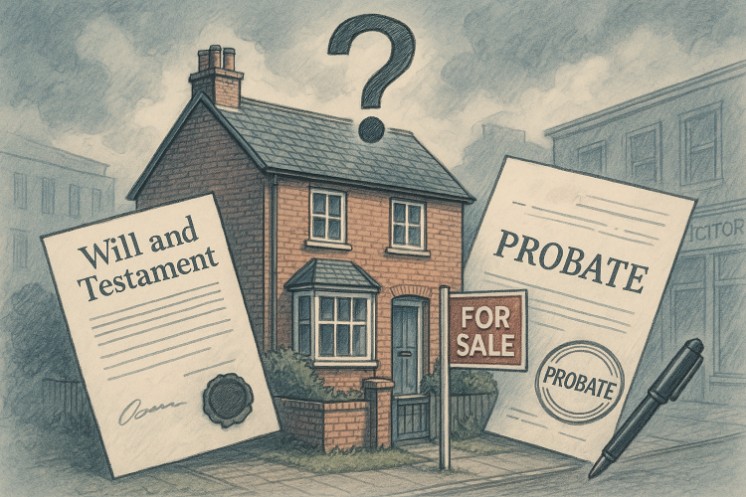
- The property was inherited or part of a probate sale
- The sale is between related parties
This policy is intended to protect the lender from overvaluation risks and suspicious transaction patterns. Solicitors acting for buyers may also raise red flags during due diligence checks, especially if discrepancies appear in the title or if the quick resale seems unjustified.
Common Scenarios Where Rules May Apply Differently
There are some specific circumstances where the usual rules and restrictions may be treated with more flexibility:
- Probate sales: If you inherited a property and wish to sell, restrictions are generally minimal.
- New build properties: Developers may restrict reselling or assigning the property within a certain timeframe, usually outlined in the purchase agreement.
- Cash buyers: If no mortgage is involved in the resale, many restrictions—particularly from lenders—no longer apply.
- Substantial renovations: If the property has been significantly improved or extended, lenders and solicitors may allow a quicker resale without the standard six-month delay.
Can You Sell a House Within 6 Months of Buying It?
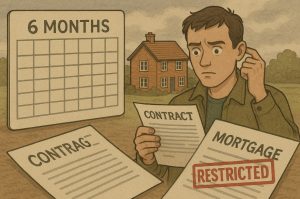
Selling within six months is possible but often discouraged due to lender and legal hesitations. Most mortgage lenders will not finance a purchase if the current owner has held the property for less than six months.
Solicitors and conveyancers often advise caution during transactions that occur too soon after a previous sale. This is due to anti-money laundering regulations and the risk of market manipulation.
Potential complications include:
- Delays in Land Registry updates causing incomplete ownership documentation
- Buyers’ lenders refusing mortgage approval due to short ownership duration
- Extra due diligence from solicitors increasing transaction time and cost
Although not prohibited, sales within six months usually require cash buyers or specialist lenders.
Are There Financial Penalties for Selling a House Too Soon?
Selling a property too early can trigger a series of financial costs, most notably mortgage-related fees and unrecoverable transaction expenses.
One of the primary concerns is the early repayment charge (ERC). Mortgage lenders often impose this penalty if the mortgage is settled before the end of its fixed or discounted term.
These charges can range between 1% and 5% of the outstanding balance, depending on the lender and how far into the deal you are.
Other financial impacts may include:
- Estate agent fees (typically 1–3% of the sale price)
- Stamp Duty Land Tax (SDLT) that may not be recoverable
- Legal and conveyancing fees for both buying and selling
The table below outlines typical financial penalties associated with early sales:
| Expense Type | Description | Estimated Cost |
| Early Repayment Charge (ERC) | Mortgage fee for exiting a deal early | 1–5% of remaining mortgage |
| Estate Agent Fees | Charges for marketing and selling the property | £2,000–£5,000+ |
| Legal Fees | Solicitor charges for conveyancing | £800–£1,500 |
| Stamp Duty | Usually non-refundable unless claiming a refund | Based on property price |
Selling too early often results in an overall financial loss, particularly if the home hasn’t had time to appreciate in value.
How Does Capital Gains Tax Apply When Selling Soon After Buying?
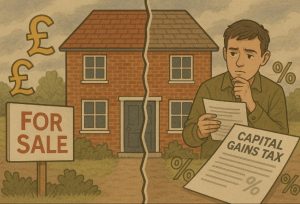
If the property is not your main residence, you may be liable to pay Capital Gains Tax (CGT) on any profit made from the sale. This is particularly relevant for investors or second-home owners.
Capital Gains Tax applies when:
- The property is sold for more than its original purchase price
- It’s not your only or main residence
- You exceed the annual tax-free allowance
In the 2024/2025 tax year, the annual exempt amount for individuals is £6,000, which means only gains above this threshold are taxable.
Here’s a summary of how CGT may apply:
| Scenario | CGT Liability | Tax Rate (Basic/High Rate) |
| Selling main residence | Usually no CGT | 0% |
| Selling second home or BTL | CGT applies | 18% / 28% |
| Selling within 2 years | Closer scrutiny by HMRC | Up to 28% |
If HMRC suspects the property was never intended as a genuine residence (e.g., bought to flip), the transaction may be treated as a trading activity, potentially subjecting profits to Income Tax instead of CGT.
What Are the Market Risks of Selling a Property Shortly After Purchase?
One of the most overlooked aspects of selling a home soon after buying is market timing. Property values can fluctuate based on location, economic conditions, interest rates, and buyer sentiment.
Selling in a declining or stagnant market can mean that the home has not appreciated enough to cover initial costs.
Risks include:
- Selling at a lower-than-expected price
- Difficulty attracting buyers if property is perceived as problematic
- Limited negotiation power due to short ownership history
Agents and buyers may question the motives behind the quick sale, suspecting underlying problems with the structure, location, or neighbourhood.
Seasonal timing also plays a role. Most UK homes sell more quickly in spring and early summer, while winter months tend to see reduced demand and longer time on the market.
What Legal Considerations Should Sellers Keep in Mind?
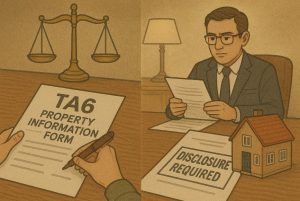
When selling a property in the UK, sellers are bound by specific legal obligations, regardless of how long they have owned the property.
One key legal document is the TA6 Property Information Form, which asks for disclosure of any disputes, property alterations, or neighbour issues. Providing inaccurate or incomplete information can result in legal consequences under the Misrepresentation Act 1967.
Under this act, buyers can claim compensation or take legal action up to six years after the contract exchange if they discover you withheld material facts.
Legal obligations include:
- Disclosing structural issues, boundary disputes, and recent work
- Providing up-to-date certificates (e.g., gas safety, FENSA for windows)
- Ensuring the sale does not breach existing contracts or lease terms
Failing to meet these requirements can jeopardise the sale or lead to future claims.
How Can Homeowners Maximise Value If Selling Soon After Buying?
Although it may not be ideal, some homeowners can still increase the property’s resale value even if they’re selling early. Strategic improvements and effective marketing can help boost buyer interest and reduce time on the market.
A few ways to maximise value include:
- Making cosmetic improvements, such as fresh paint or modern fixtures
- Enhancing kerb appeal with landscaping and tidy presentation
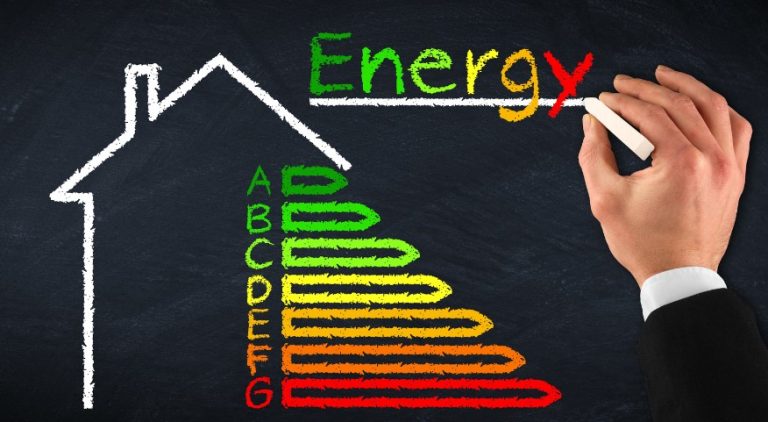
- Upgrading energy efficiency features, like insulation or double glazing
Using an experienced estate agent also improves your odds of a faster, more profitable sale. Agents can:
- Recommend the best time to list based on local trends
- Help price the property competitively
- Market to the right buyer demographics
Even a few low-cost changes can create a better impression and help justify the asking price.
When Might Selling Early Actually Be a Good Idea?
Although selling shortly after buying is not typical, there are valid circumstances where doing so may be the most practical or financially sensible choice.
Some common reasons include:
- Job relocation to another city or country
- Change in personal circumstances, such as a divorce or illness
- Inheritance of a property that is not needed
- Investment strategies, where a property was bought with the intention to flip
While these cases may warrant an early sale, it’s still advisable to weigh all financial and legal implications before moving forward. In some situations, alternatives like renting or holding the property longer may offer better returns.
What Alternatives Exist to Selling Immediately After Buying?

If the goal is to free up equity or avoid ongoing costs, there are alternative strategies that might be more suitable than an outright sale.
Options include:
- Letting out the property to generate rental income and cover mortgage costs
- Remortgaging to access equity or reduce monthly payments
- Rent-to-own agreements, offering flexibility to both parties
- Delaying the sale to benefit from market appreciation
Each option carries its own risks and requirements, but they can provide a buffer period during uncertain times or until the market improves.
Conclusion
Selling a property soon after buying it is certainly possible in the UK, but often comes with numerous hurdles. From early mortgage repayment fees to capital gains tax, the financial implications alone make it a decision that requires careful consideration.
For homeowners facing urgent changes in circumstances, transparency and legal compliance are essential. Working with experienced estate agents and solicitors can help streamline the process and minimise risk.
Ultimately, the best route is to evaluate all financial, legal, and market-related factors before deciding if an early sale is the right move.
FAQs
Can I sell my house before the mortgage is fully registered?
Yes, but most buyers’ lenders will hesitate to fund purchases on properties without completed title registration. It may slow down or jeopardise the sale.
Will I lose money if I sell my property within a year?
Quite possibly. Early sales often lead to losses due to mortgage fees, legal costs, and insufficient property value appreciation.
Can I sell a newly built home right after buying it?
Yes, but developers often discourage this due to warranties, contract clauses, or the impact on neighbouring properties’ value.
Is flipping property legal in the UK?
Flipping is legal but may incur additional taxes or require business registration if done repeatedly.
Are there any exemptions from capital gains tax?
Yes. If the property is your main residence, you may qualify for full or partial relief under Private Residence Relief.
Does a quick resale affect my credit score?
Not directly, but defaulting on mortgage payments or breaching contract terms may reflect poorly on your credit report.
Will estate agents help if I want to sell soon after buying?
A reputable estate agent can help with pricing, marketing, and managing buyer expectations even with a short ownership history.