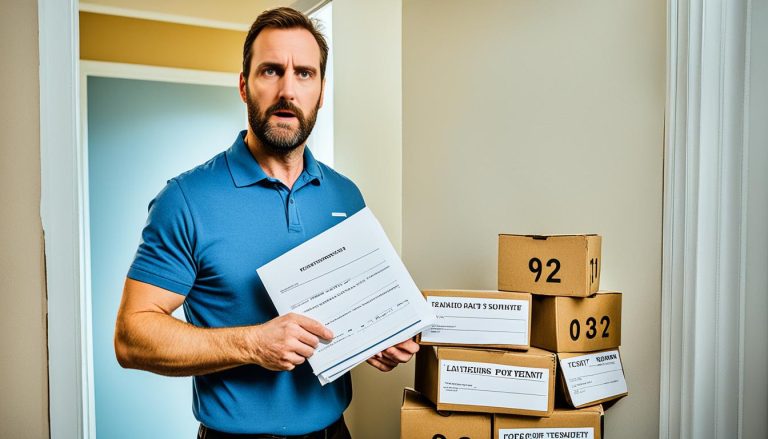
A landlord named David Jones was fined £689 after renting out three unlicensed properties in Barry, Wales, in clear breach of housing regulations.
The case, heard at Cardiff Magistrates’ Court, confirms that renting without a valid licence is a criminal offence, regardless of property condition or tenant arrangements. Authorities enforced the law strictly, reinforcing the importance of compliance for all landlords.
Key takeaways from this case:
- David Jones rented out three properties without a licence
- The offence took place in July in Barry, Wales
- The case was heard at Cardiff Magistrates’ Court
- He pleaded guilty and was fined £689 in total
- Licensing under Rent Smart Wales is mandatory
- Even small-scale landlords face legal consequences
- Enforcement of housing laws in Wales is increasing
What Is the David Jones Landlord Fine Case About in Barry?
A landlord named David Jones aged 69 was fined after renting out unlicensed properties in Barry, Wales in breach of housing regulations.
The case, heard at Cardiff Magistrates’ Court, resulted in a total financial penalty of £689 after he pleaded guilty.
The issue centred on his failure to obtain the required licence while still collecting rent from tenants across multiple properties.
This case is a clear example of how landlord compliance is monitored and enforced in Wales. Authorities are increasingly focused on identifying landlords who operate outside the legal framework, regardless of whether the breach is intentional or due to lack of awareness.
The situation in Barry highlights a broader issue within the UK property market where some landlords underestimate the importance of licensing requirements.
Even when properties are occupied and tenants are paying rent regularly, the absence of a valid licence makes the activity unlawful.
Key elements that define this case include the involvement of multiple residential properties, the collection of rent without authorisation, and the legal responsibility placed on landlords to ensure compliance before letting any property.
Who Is David Jones and Why Was the Landlord Fine Issued in Barry?
David Jones is a landlord operating in Barry, located in the Vale of Glamorgan in South Wales. The landlord fine was issued because he failed to obtain the legally required licence while continuing to rent out residential properties.
In Wales, landlord licensing is not optional. Every landlord must register with Rent Smart Wales, and those who manage their own properties must also secure a licence. This applies to individuals renting out a single property as well as those managing multiple units.
The reason for the fine was not linked to property condition or tenant complaints in this particular case. Instead, it was purely based on non-compliance with licensing laws. This distinction is important because it shows that even administrative failures can lead to prosecution.
The regulatory framework in Wales is designed to ensure that landlords meet certain standards before entering the rental market. These standards include knowledge of tenant rights, property safety requirements, and proper management practices.
| Requirement | Description |
| Landlord Registration | Mandatory for all landlords in Wales |
| Licence Requirement | Needed if landlord manages the property directly |
| Governing Authority | Rent Smart Wales |
| Legal Basis | Housing Wales Act 2014 |
A housing advisor explained this situation clearly: “Many landlords assume registration alone is enough, but if you are actively managing the property, a full licence is required. Missing that step is where many go wrong.”
This insight reflects a common misunderstanding that often leads to enforcement action.
What Exactly Happened in the David Jones Landlord Fine Case?

The events leading to the David Jones landlord fine involved the unlawful rental of three properties without a valid licence. The offence took place during July, when the landlord continued to collect rent despite not being authorised under Welsh law.
The case demonstrates how local authorities track rental activity and identify landlords who are operating outside legal requirements. Enforcement teams often rely on data matching, tenant reports, and property records to uncover such violations.
Which Properties Were Involved in Barry?
The case involved three residential properties located in Barry:
| Property Location | Type of Involvement |
| Church Road Property 1 | Rented without licence |
| Church Road Property 2 | Rented without licence |
| Dylan Crescent | Rented without licence |
These properties were actively let to tenants, which means rental income was being generated during the period of non-compliance.
How Did the Violation Occur?
The violation occurred due to the landlord’s failure to complete the licensing process through Rent Smart Wales. Despite this, the landlord continued to operate as if fully compliant.
The process of becoming licensed involves several steps including registration, training, and approval. Skipping any of these steps results in non-compliance.
A compliance officer described the situation in practical terms: “We often see landlords who believe that owning a property gives them the right to rent it immediately. In reality, the legal right comes only after proper licensing is in place.”
This explanation highlights the gap between ownership and legal permission to rent.
What Was the Court’s Decision in the David Jones Landlord Case?
The case was heard at Cardiff Magistrates’ Court, where David Jones pleaded guilty to the offence. A guilty plea typically results in a more straightforward legal process, but it does not reduce the seriousness of the violation.
The court assessed the facts, including the number of properties involved and the duration of the offence, before determining the financial penalty.
What Penalties Did the Landlord Receive?
The landlord was ordered to pay a total of £689. This amount included multiple components rather than a single fine.
| Cost Component | Explanation |
| Financial Penalty | Punishment for the offence |
| Court Costs | Legal and administrative expenses |
| Victim Surcharge | Mandatory contribution to victim fund |
| Total Amount | £689 |
Although the total amount may appear relatively low compared to other cases, the legal implications extend further. A conviction can affect a landlord’s future ability to operate, obtain licences, and maintain credibility in the property market.
Why Is It Illegal to Rent Without a Licence in Wales?
Renting without a licence is illegal in Wales because of the Housing Wales Act 2014, which established a clear regulatory system for landlords and letting agents.
The purpose of this law is to ensure that all rental properties are managed by individuals who understand their legal responsibilities and meet required standards.
The licensing system aims to achieve several outcomes:
- Protect tenants from unsafe or poorly managed housing
- Ensure landlords are properly trained and informed
- Create accountability within the rental sector
| Legal Element | Purpose |
| Licensing Requirement | Confirms landlord competence |
| Registration Database | Tracks all landlords operating in Wales |
| Enforcement Powers | Allows councils to prosecute non-compliance |
| Tenant Protection | Ensures safe and fair housing conditions |
A property law specialist explained the importance of this framework: “Licensing is not just a formality. It is a safeguard that ensures landlords understand their duties. Without it, the system would lack accountability.”
This insight reinforces why enforcement is taken seriously across Wales.
How Does the David Jones Landlord Fine Reflect UK Housing Enforcement Trends?

The David Jones landlord fine is part of a wider trend of stricter enforcement across the UK housing sector. Authorities are increasingly proactive in identifying and prosecuting non-compliant landlords.
In Wales, enforcement is particularly structured due to the centralised Rent Smart Wales system. This allows for better tracking of landlord activity and quicker identification of irregularities.
Across the UK, similar patterns are emerging with councils investing more resources into housing enforcement teams.
| Enforcement Trend | Impact on Landlords |
| Increased Data Sharing | Easier identification of violations |
| Proactive Inspections | More frequent property checks |
| Higher Awareness Campaigns | Reduced excuse of ignorance |
| Legal Action Expansion | More cases reaching court |
A housing enforcement consultant shared a practical perspective: “Landlords should assume that compliance checks are becoming the norm rather than the exception. The systems in place today make it much harder to operate unnoticed.”
This reflects a shift from reactive enforcement to a more preventative and data-driven approach.
What Are the Risks for Landlords Who Rent Unlicensed Properties?
Renting unlicensed properties exposes landlords to a wide range of risks that go beyond a single fine. These risks can have long-term financial and professional consequences.
Some of the key risks include:
- Criminal prosecution
- Financial penalties and court costs
- Potential banning orders
- Difficulty obtaining future licences
- Damage to professional reputation
In addition to these risks, landlords may also face rent repayment orders. This means tenants can claim back rent paid during the period of illegal operation.
| Risk Type | Potential Outcome |
| Legal Risk | Criminal conviction |
| Financial Risk | Fines and repayment orders |
| Operational Risk | Loss of ability to manage properties |
| Reputational Risk | Reduced trust and credibility |
These consequences highlight why compliance is essential for anyone operating within the rental sector.
How Does This Case Affect Tenants and the Local Property Market in Barry?
The David Jones landlord fine has implications not only for landlords but also for tenants and the broader property market in Barry.
For tenants, licensing laws provide a level of assurance that their landlord meets legal standards. When landlords operate without a licence, tenants may unknowingly be living in a property that does not meet regulatory requirements.
This can lead to concerns around safety, maintenance, and overall living conditions.
For the local property market, enforcement helps maintain fairness and consistency. Licensed landlords who comply with regulations may face unfair competition from those who avoid legal requirements.
| Stakeholder | Impact of Unlicensed Renting |
| Tenants | Reduced protection and potential safety risks |
| Compliant Landlords | Unfair competition |
| Local Authorities | Increased enforcement burden |
| Property Market | Reduced trust and transparency |
By addressing non-compliance, authorities aim to strengthen the integrity of the rental market.
What Lessons Can Landlords Learn from the David Jones Case?

The David Jones landlord fine serves as a practical example of the importance of understanding and following legal requirements.
Landlords can take several lessons from this case, particularly in relation to compliance and preparation.
Key lessons include ensuring that all legal steps are completed before renting out a property, staying informed about regulatory changes, and seeking professional guidance when needed.
A landlord advisor summarised this clearly: “The biggest mistake landlords make is assuming that small-scale operations are less likely to be monitored. In reality, every landlord is subject to the same rules regardless of portfolio size.”
This reinforces the idea that compliance is universal and not dependent on the scale of operations.
Understanding the licensing process, maintaining accurate records, and regularly reviewing legal obligations are all essential practices for avoiding similar situations.
Landlords who take a proactive approach to compliance are more likely to avoid penalties and build a sustainable presence in the property market.
Key Takeaways from the David Jones Landlord Fine Case
The David Jones landlord fine highlights the strict enforcement of licensing laws in Wales and the broader UK property sector. It demonstrates that failure to comply with even administrative requirements can lead to legal action.
The case shows that:
- Licensing is a legal requirement, not a recommendation
- Enforcement is active and increasing
- Financial penalties are only one part of the consequences
- Legal compliance is essential for long-term success in property letting
Ultimately, this case serves as a reminder that landlords must prioritise compliance at every stage of their operations.
Conclusion
The David Jones landlord fine serves as a clear warning to property owners across the UK. Compliance with licensing regulations is essential, not just to avoid fines, but to maintain credibility and operate legally within the housing sector.
As enforcement becomes more rigorous, landlords must ensure they fully understand and meet their obligations. Failing to do so can result in legal action, financial penalties, and long-term consequences that extend far beyond a single court case.
FAQs About Landlord Fines and Licensing in the UK
What happens if a landlord does not have a licence in Wales?
A landlord without a licence can face prosecution, fines, and legal action. They may also be prevented from managing properties and could face further penalties.
Can tenants report unlicensed landlords?
Yes, tenants can report landlords to local councils or Rent Smart Wales if they suspect the property is being rented illegally.
Is a licence required for all rental properties in Wales?
Yes, all landlords must register, and those managing properties themselves must also obtain a licence.
How much can a landlord be fined for not having a licence?
Fines vary depending on the case but can reach thousands of pounds, along with additional court costs and penalties.
What is Rent Smart Wales?
Rent Smart Wales is the national licensing authority responsible for regulating landlords and letting agents in Wales.
Can landlords avoid penalties if they apply late?
Applying late does not guarantee avoidance of penalties. Authorities may still prosecute if the landlord has already been operating illegally.
Does a criminal record affect landlords in the future?
Yes, a conviction can impact a landlord’s ability to obtain licences, secure financing, and maintain a professional reputation.