The second home council tax loophole has come under closer scrutiny after Labour tightened guidance around the 12-month relief used by some second home owners to avoid double council tax.
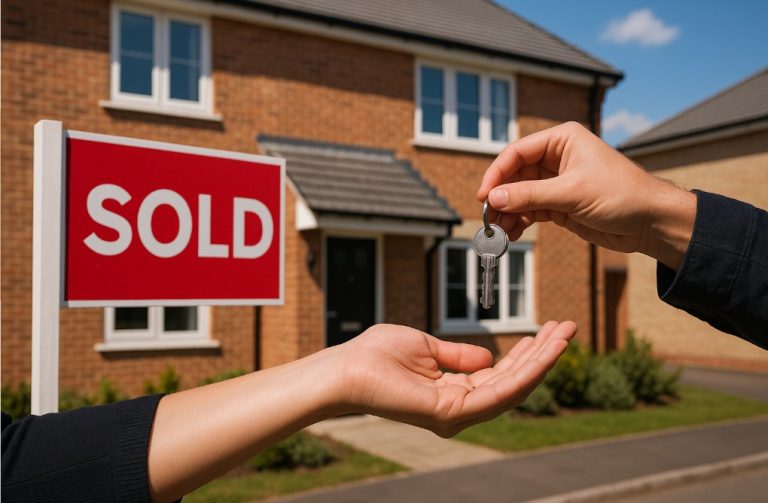
The direct answer is that second home owners can still receive temporary relief from the 100% council tax premium when a property is genuinely marketed for sale or let, but the 12-month period may now be counted from the original marketing date, not from the date the local council introduces the premium.
This means a homeowner who listed a second property before their council brought in the premium may not receive a fresh 12 months of relief.
If the property had already been on the market for six months, only six months of the exception may remain. If it had already been marketed for 12 months, the relief may already have expired.
Key Points Of The Whole Content
| Key point | What it means for UK homeowners |
| The loophole has been tightened | The 12-month relief can be backdated to the original marketing date |
| Relief still exists | Genuine sellers and landlords may still qualify temporarily |
| Council tax bills may rise | A 100% premium can effectively double the council tax bill |
| Evidence matters | Owners may need to prove active marketing |
| Local rules matter | Councils may apply and explain the rules differently |
What Is The Second Home Council Tax Loophole?

The second home council tax loophole refers to the use of the 12-month marketing exception by some second home owners to avoid paying the 100% council tax premium charged by many local authorities in England.
A second home is generally a furnished property that is not used as anyone’s main residence. It may be a holiday home, weekend retreat, inherited property, former family home, or additional residence kept for occasional use.
Where a local council applies a second home premium, the owner may have to pay the standard council tax bill plus an additional 100% charge.
The loophole arises because properties that are actively marketed for sale or let can be excepted from the second home premium for up to 12 months.
The original purpose of this relief was to help genuine sellers and landlords who are trying to bring a property back into regular use. For example, an owner may have inherited a house and placed it on the market, or a landlord may be searching for a tenant.
The difficulty is that some second home owners have used this exception as a way to delay the premium.
By listing a property for sale or let, they could potentially avoid the extra charge, even if the property remained under their control for months.
How The 12-Month Relief Works?
The 12-month relief does not usually remove the whole council tax bill. Instead, it can remove the additional second home premium for a limited period. The standard council tax charge may still remain payable.
| Rule area | Meaning for second home owners |
| Property status | The home is not the owner’s sole or main residence |
| Marketing condition | The property must be genuinely marketed for sale or let |
| Relief period | The exception can apply for up to 12 months |
| Premium effect | The 100% premium may be removed during the qualifying period |
| End of relief | The exception ends when the 12 months expire, the property is sold or let, or marketing stops |
The updated position makes the start date especially important. The 12-month period may start when the property was first marketed, even if the council premium was introduced later.
Why Second Home Owners Used The Rule?
Second home owners used the rule because the savings could be significant. A 100% council tax premium can double the yearly bill, which can make a second property much more expensive to keep.
For a Band D home with an average council tax bill of £2,392 for 2026-27, the premium could add another £2,392.
That could bring the total annual council tax cost close to £4,784. For higher-band homes, especially in expensive coastal or rural areas, the additional cost can be far greater.
The second home council tax loophole therefore became attractive to owners who wanted to reduce their annual costs.
For councils, however, it meant that thousands of properties could avoid the premium even when they were still not being used as main homes.
How Has Labour Tightened The Second Home Council Tax Loophole?
Labour has tightened the second home council tax loophole by clarifying that the 12-month exception can include time before the local authority applied the second home premium.
The updated government guidance says that the exception applies to dwellings that have been marketed for sale or let for 12 months or less. It also clarifies that this may include cases where the dwelling was marketed before the council introduced the premium.
This clarification changes the practical benefit of the rule. A homeowner cannot automatically assume that the relief starts only when the premium appears on the council tax bill. Instead, the council may look back to the date the property was first listed.
For example, if a property was placed on the market in January and the council introduced the premium in April, the owner may have already used three months of the 12-month relief. If the owner expected a full year from April, that assumption may now be wrong.
What The Updated Government Guidance Clarifies?
The guidance confirms that the exception ends when the 12-month period has ended, when the property has been sold or let, or when the dwelling is no longer actively marketed for sale or let.
This gives councils a clearer basis for rejecting claims where the property has already been marketed for 12 months or more. It also helps prevent owners from receiving a new full 12-month relief period simply because the council introduced the premium after the listing began.
A property tax adviser described the issue clearly:
“I have seen second home owners assume the 12-month exception begins when the premium first appears on their bill. In practice, I would always check the original marketing date first, because that date may decide how much relief is actually left.”
This professional insight highlights the main risk for homeowners. The key date is not always the date of the council tax increase. It may be the date the home was first made available for sale or let.
Why Backdating Matters For Property Owners?

Backdating matters because it can reduce the available relief period. Some homeowners may receive only a few months of protection from the premium, while others may find that the relief has already expired.
| Property marketing position | Premium start position | Likely result |
| Listed after the premium starts | Premium already applies | Up to 12 months of relief may be available |
| Listed 3 months before the premium starts | Premium starts later | Around 9 months of relief may remain |
| Listed 6 months before the premium starts | Premium starts later | Around 6 months of relief may remain |
| Listed 12 months before the premium starts | Premium starts later | Relief may already have expired |
This makes the loophole less useful as a tax-saving tactic. It also makes record keeping more important. Owners who genuinely want to sell or let a property may still benefit, but they need to understand when the relief period began.
Who Is Affected By The 12-Month Council Tax Relief Change?
The clarification mainly affects UK homeowners who own second homes in English local authority areas where a second home premium applies or is being introduced.
It is particularly relevant for owners who listed a property for sale or let before the council introduced the 100% premium. These owners may have expected a new 12-month exemption from the premium, but the relief may now be partly or fully used.
This can include holiday home owners, families with inherited properties, landlords trying to let a second property, and people selling a former home that is no longer their main residence.
| Type of homeowner | Why they may be affected |
| Holiday home owner | The property may be treated as a second home |
| Inherited property owner | The property may be empty or used occasionally while awaiting sale |
| Owner trying to sell | The 12-month marketing exception may apply |
| Owner trying to let | Relief may apply if the home is genuinely available |
| Property investor | The council may check whether marketing is genuine |
| Occasional-use homeowner | The property may not qualify as a main residence |
The change also affects owners who rely on general assumptions instead of checking local rules. Council tax is administered by local authorities, and councils may differ in how clearly they explain the premium, evidence requirements, and exception process.
A council tax consultant explained this confusion clearly:
“I often see owners read one council’s guidance and assume the same rule applies everywhere. I would always remind them that the property’s own local authority is the one that matters, not the council where they usually live.”
This is important because second home owners often live in one council area while owning a second property in another. The rules that matter are the rules of the authority responsible for the second home.
Why Are Councils Charging A 100% Council Tax Premium On Second Homes?
Councils are charging a 100% council tax premium on second homes to respond to housing pressure, raise revenue for local services, and encourage better use of existing housing stock.
In many parts of England, especially coastal towns, countryside villages, and popular holiday destinations, second homes can reduce the number of properties available to local residents. When a large share of homes is used only occasionally, year-round communities can become weaker.
Local shops may depend heavily on seasonal trade. Schools may have fewer pupils. Workers may struggle to live near their jobs. Younger families may be priced out of the area. Councils argue that the premium helps address some of these pressures by making second home ownership more costly.
Housing Pressure In Local Areas
Housing pressure is one of the strongest arguments for the premium. A second home may be legally owned and maintained, but if it is not used as a main residence, it may contribute less to the long-term stability of the local community.
| Local issue | Possible effect of high second home ownership |
| Reduced housing supply | Fewer homes are available for permanent residents |
| Higher property prices | Local buyers may face stronger competition |
| Seasonal population changes | Communities may be busy in holidays but quiet at other times |
| Pressure on local services | Service demand may become uneven |
| Fewer long-term residents | Schools, shops, and community groups may be affected |
The premium does not stop people buying second homes. Instead, it changes the financial balance. Owners who keep a second home must contribute more through council tax where the premium applies.
Local Authority Powers In England
Around 250 local authorities in England are reported to charge the 100% council tax premium on second homes. Some introduced the charge recently, while others are expected to follow from April next year.
These powers give councils more control over how second homes are taxed locally. However, exceptions still exist, including the 12-month relief for homes marketed for sale or let.
The updated guidance matters because it helps councils apply the exception more consistently. It also reduces the chance that a second home owner can extend relief beyond the intended period by relying on timing gaps between marketing and the premium start date.
How Much Could Second Home Owners Pay Under The New Rules?
Second home owners could pay substantially more if the 12-month relief is shortened, refused, or already expired. The exact amount depends on the property’s council tax band, the local authority’s rates, and whether the premium applies.
Where a 100% premium is charged, the council tax bill can effectively double. This can turn a manageable annual bill into a major cost, especially for higher-band second homes.
| Example position | Standard council tax bill | 100% premium | Total annual bill |
| Average Band D example | £2,392 | £2,392 | £4,784 |
| Higher-band example | £4,000 | £4,000 | £8,000 |
| High-value property example | £5,500 | £5,500 | £11,000 |
The impact is particularly noticeable in areas where second homes are common and council tax rates are already high. At the extreme end, second home owners with a Band H property in Dorset could reportedly save around £5,500 by using the list-for-sale exception. If the relief is unavailable, that saving disappears.
This is why the second home council tax loophole has attracted political and public attention. For councils, the premium can support local budgets and housing policy. For owners, it can mean thousands of pounds in extra annual costs.
Homeowners should avoid assuming that listing a property will automatically protect them from the premium for a full year. The updated guidance means the previous marketing period may already have reduced the relief.
Can Listing A Second Home For Sale Still Avoid The Council Tax Premium?

Listing a second home for sale can still avoid the premium temporarily where the property genuinely qualifies for the 12-month exception. However, it is no longer safe to treat listing as a simple or guaranteed way to avoid double council tax.
The council may check whether the property is actively marketed. This means the home should be properly advertised, realistically priced, and genuinely available to buyers or tenants. A weak listing, unrealistic asking price, or lack of marketing activity may create problems.
| Evidence type | Why it matters |
| Estate agent agreement | Shows when the property was placed on the market |
| Online listing record | Confirms that the property was publicly advertised |
| Viewing history | Shows genuine buyer or tenant interest |
| Price adjustment record | Suggests active attempts to secure a sale or let |
| Agent emails | Provides dated proof of marketing activity |
| Marketing screenshots | Helps confirm listing content and dates |
A local property consultant explained the practical point clearly: “If I were relying on the exception, I would keep every dated record. I would want the listing agreement, screenshots, viewing notes, and emails, because the council may ask for proof later.”
This insight is useful because the relief depends on evidence. A homeowner may believe the property was available, but the council may still ask for proof. If the owner cannot show active marketing, the premium may become payable.
The listing date is also crucial. If the home was advertised months before the premium started, the owner may not have a full 12 months of relief left.
What Should UK Homeowners Check Before Relying On The Relief?
UK homeowners should check the local council’s rules before relying on the 12-month relief. The most important details are the premium start date, the original marketing start date, and whether the property still meets the active marketing condition.
Before claiming relief from the second home council tax premium, homeowners should check:
- Whether the local council has introduced the 100% second home premium
- The exact date the property was first marketed for sale or let
- Whether the property is still actively marketed
- What evidence the council requires
- Whether the property is classed as a second home, empty home, or holiday let
- When the 12-month relief period will end
- Whether the council can confirm the decision in writing
Active Marketing Requirements
Active marketing means the property is genuinely available for sale or let. The owner should be able to show that the home is being promoted in a realistic and continuous way.
Useful evidence may include:
- Estate agent agreement
- Letting agent agreement
- Online property listing
- Screenshots showing listing dates
- Viewing records
- Price reduction history
- Emails from agents or interested buyers
- Proof that the asking price or rent is realistic
A council may look at the asking price, the agent’s involvement, online adverts, viewing records, and whether the property has remained available. If the marketing appears artificial, the relief may be refused.
Council Website Guidance And Local Rules
Council websites often explain the process for claiming relief, but the level of detail can vary. Some councils may clearly state that the 12-month period includes marketing before the premium started. Others may provide shorter explanations.
Homeowners should check:
- The council’s second home premium policy
- The premium start date in that local authority area
- The form or process for claiming the exception
- Whether backdated marketing time counts
- The documents needed to support the claim
- The date the relief will stop applying
The safest approach is to ask the relevant council to confirm the position in writing. This is especially important where the property was already on the market before the premium began.
How Does The Rule Change Affect Holiday Homes And Empty Properties?

The rule change affects holiday homes and empty properties according to how they are classified by the local authority.
A furnished holiday home that is not anyone’s main residence may be treated as a second home for council tax purposes. If the council charges the second home premium, the owner may face the additional 100% charge unless an exception applies.
An empty property may fall under separate rules. Long-term empty homes can face different premiums, and those charges may increase the longer a property remains unoccupied.
Holiday lets can be more complicated. Some properties may move into business rates if they meet the relevant letting conditions, while others remain within council tax. Occasional letting does not automatically remove a property from council tax.
| Property type | Possible tax treatment |
| Furnished second home | May face the second home council tax premium |
| Actively marketed second home | May qualify for temporary 12-month relief |
| Long-term empty home | May face an empty homes premium |
| Holiday let meeting business criteria | May fall under business rates |
| Occasional holiday rental | May still remain within council tax |
| Inherited vacant property | Treatment depends on use, timing, and local rules |
The second home council tax loophole is most relevant where a second home owner claims the property is being marketed for sale or let. The updated guidance reduces the chance of owners receiving a fresh 12-month premium break when marketing began before the premium was introduced.
What Are The Risks Of Using The Second Home Council Tax Loophole?
The risks of using the second home council tax loophole have increased because councils now have clearer guidance on how the 12-month exception should be counted.
The first risk is financial. A homeowner may expect 12 months without the premium, only to find that some or all of the relief has already been used. This can lead to a sudden and much higher council tax bill.
The second risk is evidential. If the owner cannot prove that the property was actively marketed, the council may refuse the relief. This may happen where records are missing, adverts were removed, or the asking price appears unrealistic.
The third risk is classification. Some owners may assume their property is a holiday let or business property when the council still treats it as a second home. This can create confusion over which rules apply.
| Risk | Possible consequence |
| Wrong marketing date assumed | Less relief than expected |
| Weak evidence | Relief may be refused |
| Unrealistic listing | Council may question active marketing |
| Incorrect property classification | Premium may still apply |
| Relief expiry missed | Sudden rise in council tax bill |
| Local rules misunderstood | Incorrect budgeting and planning |
The practical lesson is that the relief should be treated as a limited exception, not a guaranteed saving. Homeowners should check their council’s policy before relying on it.
What Does This Mean For The Future Of Second Home Tax Rules In England?
The tightening of the second home council tax loophole suggests that second home tax rules in England are becoming stricter and more closely monitored.
Councils are likely to pay more attention to whether second homes are genuinely marketed, whether owners can prove their claims, and whether relief has already been used. This may lead to more detailed checks and more requests for evidence.
The wider direction is clear. Second homes are becoming more expensive to hold in many parts of England. Local authorities are using council tax premiums to respond to housing pressure and raise additional funds for local services.
For second home owners, council tax planning now needs to be part of normal property management. It is no longer enough to assume that placing a property on the market will create a fresh 12-month break from the premium.
The 12-month exception still exists, but the updated guidance makes the timing clearer. The listing date, council premium date, property classification, and marketing evidence all matter.
What Should UK Homeowners Take Away From The Second Home Council Tax Loophole Change?

UK homeowners should understand that the second home council tax loophole has not disappeared, but it has become narrower. The 12-month relief can still help genuine sellers and landlords, but it is less useful for owners hoping to avoid the premium simply by listing a property.
The most important point is the original marketing date. If the property was already advertised before the council introduced the premium, that earlier period may count towards the 12-month limit. This can reduce or remove the relief available.
Second home owners should check their local council’s policy, keep dated records, and ask for written confirmation where the position is unclear. Those who fail to do this may face higher bills sooner than expected.
For councils, the clarification supports stricter enforcement. For homeowners, it creates a need for better planning. The second home premium is now a major cost in many areas, and the relief should be treated carefully.
FAQs
What is classed as a second home for council tax purposes?
A second home is usually a furnished property that is not used as anyone’s sole or main residence. It may be used occasionally by the owner, relatives, or guests. The local council decides how the property is treated based on occupation, use, and relevant council tax rules.
Can a second home owner avoid the council tax premium by putting the property on the market?
A second home owner may avoid the premium temporarily if the property is genuinely and actively marketed for sale or let. However, the relief is limited to 12 months and may be counted from the original marketing date.
Does the 12-month council tax relief start from the listing date?
Yes, the updated guidance indicates that the 12-month period can be counted from the date the property was first marketed for sale or let. This may include marketing that happened before the council introduced the premium.
Can councils charge double council tax on second homes?
Yes, many councils in England can charge a 100% premium on second homes. This can effectively double the council tax bill, depending on the local authority’s rates and whether an exception applies.
Are holiday lets treated the same as second homes for council tax?
Not always. Some holiday lets may fall under business rates if they meet the required conditions, while others remain subject to council tax. Owners should check the rules carefully with the relevant local authority.
What happens when the 12-month exception ends?
When the 12-month exception ends, the second home premium may become payable if the property still falls within the council’s rules. The exception can also end earlier if the property is sold, let, or no longer actively marketed.
Do all councils in England charge a second home council tax premium?
No, not every council charges the premium. However, around 250 local authorities in England are reported to apply the 100% premium, and more may introduce it. Homeowners should check the policy of the council responsible for the property.
Can second home council tax rules differ between local authorities?
Yes, local council processes, evidence requirements, premium start dates, and guidance can differ. The national framework is important, but homeowners still need to follow the rules of the local authority where the second home is located.