

Building within 1 metre of the boundary in the UK is allowed in many cases, but you must follow strict rules related to building regulations, fire safety, planning permission, and neighbour rights.
If your structure is too close to the boundary, you may need to use non-combustible materials, follow height limits, or serve a Party Wall Notice. Ignoring these requirements could lead to planning disputes or enforcement action.
Before starting any extension, shed, or garden building close to a boundary, it is essential to understand what UK regulations allow and what they restrict.
Key points to remember include:
- Structures within 1 metre of a boundary often require fire-resistant construction
- Buildings between 15m² and 30m² must use non-combustible materials if close to a boundary
- Outbuildings near boundaries must usually stay within 2.5 metres in height
- The Party Wall Act may apply if construction affects a shared boundary
- Planning permission may be required, depending on size and location
Understanding these rules helps you build safely, legally, and without neighbour disputes.
What Does Building Within 1 Metre of a Boundary Mean in the UK?
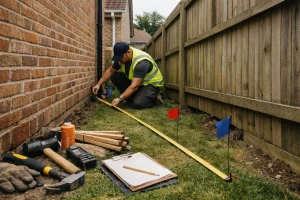
Building within 1 metre of the boundary in the UK means placing a structure extremely close to the legal property line that separates your land from a neighbour’s property or public land. This distance is measured from the boundary to the nearest part of the structure.
It is important to understand that the rule does not only apply to walls. It includes every part of the structure that extends towards the boundary.
Examples of elements that count in the measurement include:
- Roof overhangs
- Gutters and drainage pipes
- Fascias and soffits
- Foundations and walls
Because the distance is small, buildings positioned this close must comply with additional safety and planning rules. These regulations exist to prevent fire spreading between properties and to protect neighbours from potential structural or privacy issues.
If your extension, garage, or garden building sits within this 1 metre zone, building regulations may require specific construction methods or materials. The exact rules can vary depending on the size of the building and how it will be used.
Understanding the definition of building within 1 metre of the boundary is the first step before planning any home improvement project near your property line.
Can You Legally Build Within 1 Metre of a Boundary in the UK?
Yes, you can legally carry out building work within 1 metre of the boundary in the UK, but only if your project complies with planning rules and building regulations.
Many homeowners extend their properties or add garden structures close to a boundary without needing full planning permission. However, certain conditions must always be followed to ensure the structure remains safe and lawful.
Important factors that determine legality include:
- The size and type of the structure
- Whether it falls under permitted development rights
- Fire safety construction requirements
- Height limits near boundaries
- Whether neighbour rights are affected
Common structures that may be built close to a boundary include:
- Rear house extensions
- Garden rooms or sheds
- Detached garages
- Summerhouses and greenhouses
Even when construction is permitted, you must still consider regulations such as fire safety requirements and the Party Wall Act.
A builder explained, “One of my clients wanted a garden room right next to the fence. We had to redesign the wall using brick and fire rated materials because it sat less than a metre from the boundary. The planning authority had no issue once the safety requirements were met. It showed that building close to a boundary is possible if you follow the rules properly.”
Careful planning ensures that building close to a boundary remains compliant with UK law.
What Are the UK Building Regulations for Structures Within 1 Metre of a Boundary?

When building within 1 metre of a boundary in the UK, building regulations focus mainly on safety, fire prevention, and structural standards. These rules apply to many types of detached buildings, such as garages, sheds, and garden rooms.
If your project falls within the 1 metre zone, additional requirements may apply depending on the size and function of the structure.
What Fire Safety Rules Must You Follow?
Fire safety is one of the most important requirements when a building is positioned close to a property boundary. UK building regulations aim to reduce the risk of fire spreading between neighbouring buildings.
If a detached building measures between 15 square metres and 30 square metres and sits within 1 metre of a boundary, it must usually be constructed using non-combustible materials.
Examples of acceptable materials include:
- Brick or blockwork walls
- Concrete panels
- Steel framing systems
- Fire-resistant cladding
These materials provide better resistance to fire compared to timber or other combustible materials.
Additional fire safety considerations may include:
- Walls facing the boundary should have strong fire resistance
- Openings such as windows may be restricted in some designs
- Fire-rated construction may be required for certain walls
These measures are designed to protect neighbouring homes and reduce the risk of fire spreading between properties.
A homeowner shared, “When we planned a garage close to our boundary fence, the building inspector advised us to use brick walls instead of timber panels. At first we thought it would increase the cost, but it actually gave us peace of mind. The structure feels much stronger and we know it meets the safety rules. Looking back, following the fire safety guidance was definitely the right decision.”
When Are Small Outbuildings Exempt From Building Regulations?
Some smaller structures may not need full building regulations approval if they meet certain criteria. In many cases, detached outbuildings are exempt if they are small and used only for storage or non-residential purposes.
Typical exemptions include:
- Buildings smaller than 15 square metres that do not include sleeping accommodation
- Detached buildings between 15 and 30 square metres if they are either at least 1 metre from the boundary or built with non-combustible materials
Common examples of exempt buildings include:
- Garden sheds
- Small workshops
- Greenhouses
- Summerhouses
Even when a structure is exempt from full approval, it still needs to be built to reasonable construction standards. Local building control officers may still inspect the work to ensure safety requirements are met.
You should also remember that building regulations exemptions do not remove the need to follow planning rules. A structure might be exempt from building regulations but still require planning permission depending on its size or location. Understanding these distinctions helps ensure your project remains compliant while avoiding unnecessary delays.
Do You Need Planning Permission to Build Within 1 Metre of a Boundary?
Planning permission is another important factor when building within 1 metre of the boundary in the UK. In many situations, you may not need planning permission because the project falls under permitted development rights.
However, certain limits must be respected. If those limits are exceeded, you will need to apply for approval from your local planning authority. Before starting any construction, it is always wise to check whether your project meets permitted development rules or requires a planning application.
What Are the Permitted Development Rules?
Permitted development rights allow homeowners to carry out certain improvements without applying for planning permission. These rules cover many common types of extensions and outbuildings. When building near a boundary, permitted development usually includes several restrictions.
Typical conditions include:
- A single-storey extension should not exceed 4 metres in total height
- The eaves height near a boundary should usually remain under 3 metres
- A side extension should not be wider than half the width of the original house
- Extensions should not extend beyond the main front wall of the property
Rear extensions also have limits depending on the type of property.
General guidelines include:
- Up to 3 metres for terraced or semi-detached homes
- Up to 4 metres for detached houses
If the extension remains within these limits, planning permission may not be required.
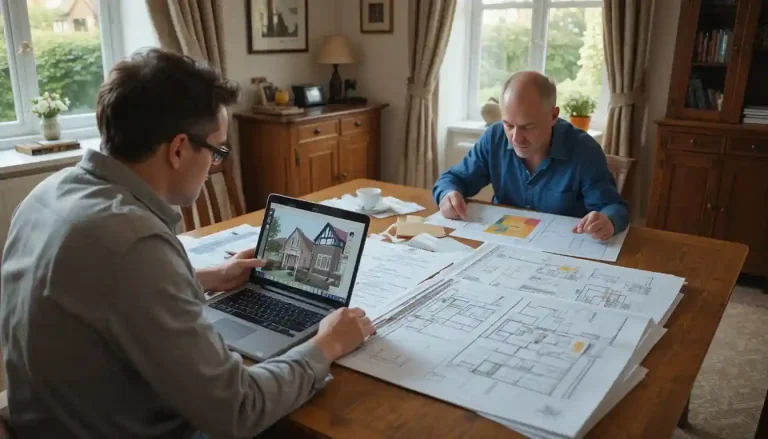
A neighbour shared, “When our neighbour built an extension near the fence, we were initially worried it might block light from our kitchen. They showed us the planning drawings before starting the work. The design stayed within permitted development limits and the height was carefully controlled. Seeing the plans early helped us feel comfortable with the project.”
When Will Planning Permission Be Required?
Planning permission may be required if the proposed building exceeds permitted development limits or if the property is located in a protected area.
Situations that commonly require planning approval include:
- Extensions larger than permitted development limits
- Two-storey extensions near a boundary
- Buildings on designated land, such as conservation areas
- Listed buildings or flats
Planning authorities may also review projects that affect neighbouring properties.
Factors considered during approval include:
- Impact on neighbour privacy
- Overshadowing and access to natural light
- Overall appearance and design
Local councils often apply the 45-degree rule when assessing potential impact on neighbour windows. This guideline helps ensure that new structures do not block excessive daylight.
If your project falls outside permitted development rules, submitting a householder planning application will allow the local authority to assess the design and ensure it complies with planning policies. Understanding these requirements early can help prevent delays and ensure your project proceeds smoothly.
What Height Restrictions Apply When Building Close to a Boundary?
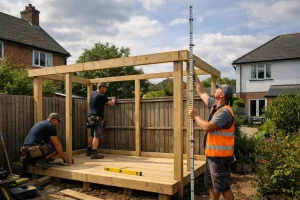
Height restrictions are particularly important when building within 1 metre of a boundary in the UK. These limits are designed to prevent overshadowing and reduce the visual impact on neighbouring properties. One of the most common restrictions applies to outbuildings located close to a boundary.
Typical height limits include:
- A maximum height of 2.5 metres if the structure is within 2 metres of a boundary
- Up to 4 metres total height for certain single-storey extensions
- Eaves height is usually limited to around 3 metres when close to a boundary
From backyard sheds to standalone garages and stylish garden rooms, these boundary limits apply across most garden building types.
The measurement includes the highest point of the roof, so the roof design can affect whether the structure meets permitted development limits. Keeping the building lower and well-designed helps reduce the impact on neighbours and improves the chances that your project will comply with planning regulations.
What Is the Party Wall Act and When Does It Apply?
The Party Wall Act 1996 is an important legal framework that applies when building work affects shared walls or boundaries between properties. If your project involves building within 1 metre of boundary or altering a wall shared with a neighbour, the Act may apply.
The purpose of this legislation is to prevent disputes and ensure that neighbours are informed about construction work that could affect their property.
When Do You Need to Serve a Party Wall Notice?
You may need to serve a Party Wall Notice when your construction work affects a boundary or nearby structure belonging to your neighbour.
Common situations where a notice is required include:
- Building directly on the boundary line
- Excavating foundations within 3 metres of a neighbouring structure
- Altering or cutting into a shared wall
The notice informs your neighbour about the planned work and gives them the opportunity to review the details.
Important steps involved include:
- Sending written notice before construction begins
- Providing details of the proposed work
- Allowing neighbours time to respond
In most cases, notice must be served at least two months before the work begins.
How Does a Party Wall Agreement Protect You and Your Neighbour?

A Party Wall Agreement is created when both property owners acknowledge the planned construction and agree on how the work will be carried out. This agreement helps protect both sides by setting clear expectations.
Key benefits of a Party Wall Agreement include:
- Preventing disputes during construction
- Protecting neighbouring structures from damage
- Clarifying responsibilities for repairs if problems occur
If neighbours agree with the proposal, they can provide written consent. If they do not agree, surveyors may be appointed to assess the situation and create a formal party wall award.
A homeowner said, “When we built our extension close to the boundary, we had to serve a party wall notice because the foundations were near our neighbour’s property. At first we thought the process would be complicated. But after speaking with a surveyor, everything became clear. The agreement protected both houses and avoided any tension with our neighbours.”
Following the correct Party Wall procedures helps ensure your project progresses smoothly without legal disputes.
What Are the Key Planning and Design Rules You Must Consider?
Beyond building regulations and planning permission, there are several design considerations to keep in mind when building within 1 metre of a boundary in the UK. These rules help ensure that new structures do not negatively affect neighbouring homes.
One commonly applied guideline is the right to light principle. This rule helps protect access to natural daylight for neighbouring properties.
Planning officers often consider the 45-degree guideline when reviewing extension proposals. If your extension crosses this imaginary line from a neighbour’s window, the design may need to be revised.
Other planning design considerations include:
- Using exterior materials that match the existing house
- Ensuring the extension does not dominate the original building
- Avoiding features such as balconies or raised platforms under permitted development
- Designing the roof pitch to match the main house
The location of the extension also matters. Structures should not extend forward of the main front wall of the property when relying on permitted development rights.
Considering these factors early in the design process can make it easier to gain approval and maintain positive relationships with neighbours.
What Can You Build Within 1 Metre of a Boundary?
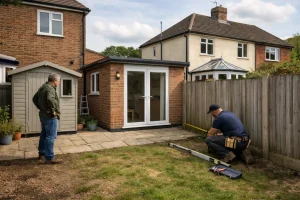
Many homeowners assume that building near a boundary is not allowed, but in reality, several types of structures can be built within 1 metre of a boundary if they comply with planning rules and building regulations. The type of structure and its size usually determine what is permitted.
Common structures that may be built close to a boundary include:
- Garden sheds used for storage
- Garden rooms or small studios
- Detached garages
- Summerhouses
- Greenhouses
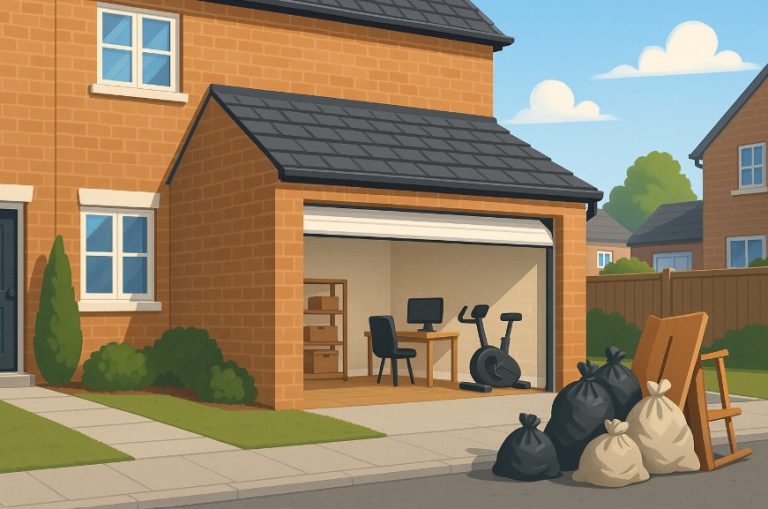
Small outbuildings are often the most common structures placed near boundaries because they usually fall within permitted development rules. For example, a garden shed smaller than 15 square metres may not require building regulations approval if it does not include sleeping accommodation.
Larger buildings between 15 and 30 square metres may still be allowed if they are built using non-combustible materials or positioned slightly away from the boundary. Extensions can also be built close to a boundary when they meet permitted development limits related to height, width, and location.
However, every project should be carefully assessed before construction begins. Even if the structure itself is permitted, factors such as drainage, foundations, and neighbour access may still need consideration. Understanding what structures are allowed helps you plan a boundary project with confidence.
What Can You NOT Do When Building Close to a Boundary?
While building within 1 metre of the boundary is possible, there are several important restrictions that homeowners must follow. Ignoring these rules could lead to enforcement action or disputes with neighbours. Certain construction practices are not allowed when building close to a boundary.
Common restrictions include:
- Using combustible materials for larger structures that require fire-resistant construction
- Exceeding permitted height limits for outbuildings or extensions
- Building without planning permission when it is required
- Ignoring Party Wall Act procedures when construction affects a neighbour
You must also avoid design choices that significantly impact neighbouring properties.
Examples of issues that may cause problems include:
- Blocking daylight to neighbour windows
- Creating excessive overshadowing
- Extending beyond the permitted width of the property
Certain features are also restricted under permitted development rights.
These include:
- Balconies
- Raised platforms
- Large verandas
In addition, the extension should not extend beyond the front wall of the original house when relying on permitted development. Carefully reviewing planning policies and building regulations before starting work will help ensure your project stays within legal limits.
What Practical Steps Should You Take Before Building Near a Boundary?

Building close to a property boundary requires careful preparation. Taking the right steps before construction begins can help you avoid delays, disputes, and regulatory problems. Homeowners who plan carefully often experience smoother building projects and better relationships with neighbours.
How Can You Avoid Neighbour Disputes?
One of the best ways to prevent problems when building within 1 metre of the boundary is to communicate with your neighbours early in the planning stage. Although formal consent may not always be required, discussing the project in advance can reduce misunderstandings.
Helpful steps include:
- Showing neighbours your proposed building plans
- Explaining the height and location of the structure
- Discussing construction timelines
Early communication can also help address concerns about privacy or daylight before work begins. In many cases, neighbours appreciate being informed about the project rather than discovering construction work unexpectedly.
Why Should You Consult Professionals Before Starting?
Professional advice can help ensure that your building project meets all relevant planning and construction regulations.
Experts who may assist during the planning process include:
- Architects or architectural designers
- Structural engineers
- Planning consultants
- Building control officers
These professionals can assess the design and ensure that the structure complies with planning rules, building regulations, and fire safety standards. They can also identify potential issues related to drainage systems, foundations, or underground services.
Working with professionals may initially seem like an additional expense, but it can prevent costly mistakes later. Good planning, professional guidance, and open communication with neighbours create the strongest foundation for a successful building project near a boundary.
What Happens If You Build Too Close to a Boundary Without Permission?
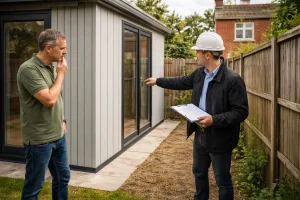
Building within 1 metre of the boundary without following the correct rules can lead to serious consequences. Local planning authorities have the power to investigate construction projects that do not comply with regulations.
If a building is found to breach planning rules or building regulations, the council may take enforcement action.
Possible consequences include:
- Receiving a formal enforcement notice
- Being required to modify the structure
- Being ordered to remove or demolish the building
Legal disputes with neighbours can also occur if the construction affects shared walls, access, or daylight. If the Party Wall Act was ignored during construction, neighbours may pursue legal action to protect their property.
Ignoring regulations can also cause problems when selling your home. Solicitors and surveyors often review extensions and boundary structures during property transactions.
If the building does not meet planning or building regulations, buyers may request changes or withdraw from the purchase. Following the correct procedures from the start is always the safest way to avoid these issues.
Conclusion
Building within 1 metre of the boundary in the UK is possible, but it requires careful planning and strict compliance with regulations. Fire safety requirements, building regulations, planning permission rules, and the Party Wall Act all play an important role when construction takes place close to a property line.
Before starting any project, you should confirm the exact boundary location and review the relevant rules that apply to your type of building. Height limits, construction materials, and neighbour rights must all be considered during the design stage. Communicating with neighbours and consulting experienced professionals can help prevent disputes and ensure the project runs smoothly.
When the correct procedures are followed, extensions, garages, and garden buildings can be built close to boundaries safely and legally. Understanding the rules in advance will help you complete your project with confidence.
FAQs
Can you build right up to your neighbour’s boundary in the UK?
Yes, in some cases, you can build up to the boundary if the structure complies with building regulations and planning rules. However, fire safety requirements and the Party Wall Act may still apply.
Do garden rooms within 1 metre of a boundary need planning permission?
Many garden rooms do not require planning permission if they fall under permitted development rules. Height limits and building materials must still meet regulations.
What materials must be used for buildings close to a boundary?
Structures between 15m² and 30m² within 1 metre of a boundary must generally be built using non-combustible materials. Common examples include brick, concrete, or steel.
Does the Party Wall Act apply to extensions near a boundary?
Yes, the Party Wall Act may apply if the work involves a shared wall or excavation near a neighbouring property. You may need to serve a Party Wall Notice before construction begins.
Can you add windows to a wall within 1 metre of a boundary?
Windows are often restricted in walls close to a boundary because of fire safety regulations. Fire-rated construction may be required depending on the design.
What is the maximum height allowed near a boundary in the UK?
Outbuildings within 2 metres of a boundary usually cannot exceed 2.5 metres in height. Extensions may have slightly higher limits depending on the design.
What happens if a neighbour objects to your extension?
Neighbours can raise concerns during the planning process or through the Party Wall procedure. The local planning authority will review objections when assessing applications.


One Comment